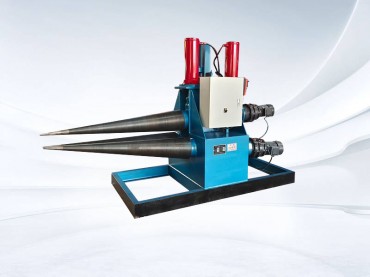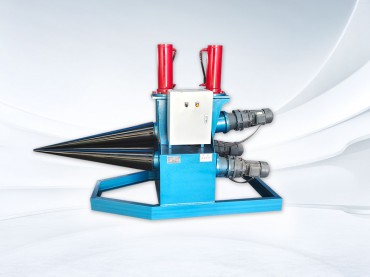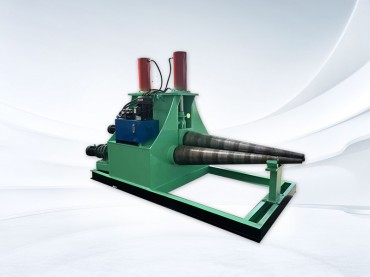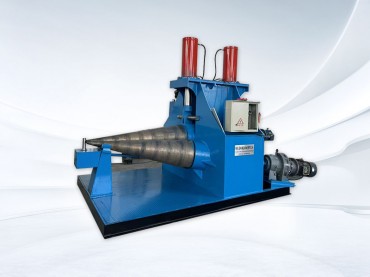
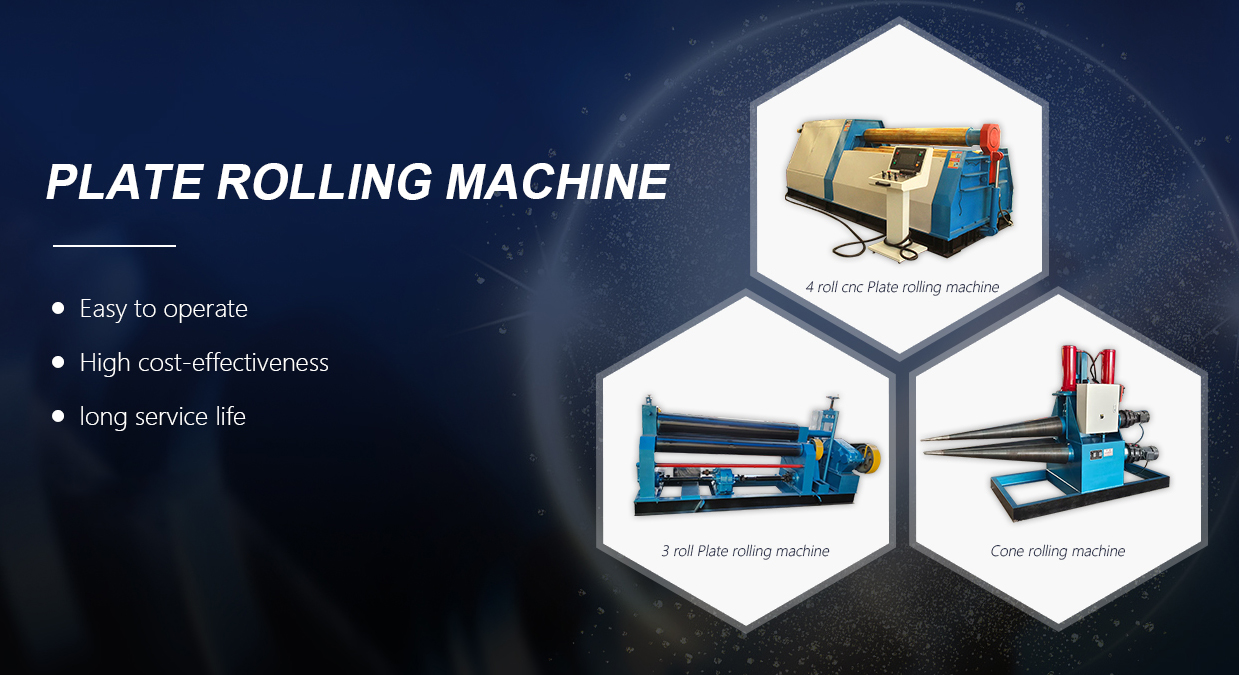
In the field of metal forming, cone rolling machines—as essential equipment for shaping conical workpieces—are widely used in industries such as wind turbine towers, pressure vessels, ventilation equipment, and chemical storage tanks. Compared to traditional plate rolling equipment, cone rolling machines involve multiple technical requirements during the manufacturing process, such as angle control, sheet pre-rolling, and taper adjustment, and their operational complexity was once considered relatively high. So, under current technological conditions, are cone rolling machines truly difficult to operate? This article will conduct an in-depth analysis of the ease of operation of cone rolling machines to provide users with a systematic reference.
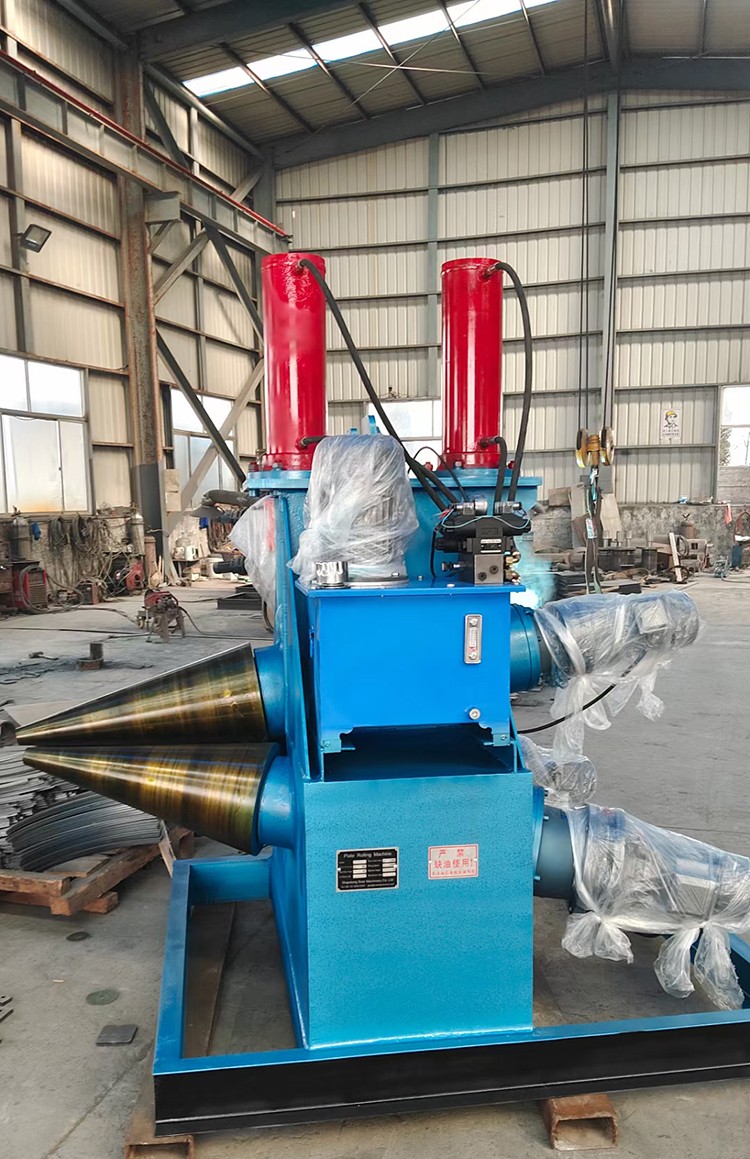
Cone rolling machines are specialized equipment developed from traditional plate rolling machines, with the core function of rolling metal sheets into conical structures. Depending on their structural design, common types include three-roll and four-roll conical rolling machines. Their basic operating principle involves gradually rolling the sheet metal through the squeezing action between the upper and lower rolls, combined with adjustments to the side rolls. When processing conical workpieces, the inclination angle of the rollers is adjusted to ensure the sheet forms a structure that is wider at one end and narrower at the other during the rolling process. Compared to cylindrical rolling, conical rolling places higher demands on equipment synchronization and adjustment precision, which is one of the key factors contributing to the operational difficulty.
In early models, the operation of cone rolling machines relied primarily on manual experience, and the difficulty was mainly reflected in the following aspects:
(1) Complex parameter adjustments. Operators must manually adjust the roller spacing and angles based on sheet thickness, material, and the target taper, a process that requires extensive experience.
(2) Difficulty in controlling the forming process. During rolling, improper feed angle or pressure control can easily lead to deviations, resulting in inconsistent finished product dimensions.
(3) Poor repeatability. Due to the lack of an automated system, parameters must be re-adjusted for each processing cycle, which affects efficiency.
(4) Under traditional equipment conditions, cone rolling machines indeed present a certain operational barrier, requiring a high level of skill from operators.
With the advancement of hydraulic and CNC technologies, modern cone rolling machines have undergone significant changes in operational convenience, transforming the equipment from “experience-based operation” to “intelligent operation.”
(1) The application of hydraulic drive systems makes roller movement smoother and easier to control. Operators can complete lifting and adjustments simply via the control panel, eliminating the need for complex mechanical adjustments.
(2) The introduction of CNC systems has greatly reduced operational difficulty. By presetting parameters, the equipment can automatically perform taper control and the rolling process, significantly reducing manual intervention.
(3) The touchscreen interface makes parameter settings more intuitive, allowing even novices to quickly master basic operations with minimal training.
(4) Some high-end models also feature a memory function that stores commonly used processing parameters, enabling quick retrieval during mass production and improving efficiency.
From a practical application perspective, the operating procedure for cone rolling machines has become standardized and primarily includes the following steps:
(1) Conduct a machine inspection, including the hydraulic system, electrical system, and roller condition, to ensure the equipment is operating normally.
(2) Input parameters according to processing requirements, such as sheet thickness, length, and taper specifications. For CNC equipment, this step is typically completed via the operating interface.
(3) Position the sheet metal and perform pre-rolling to ensure precision during subsequent rolling.
(4) During the rolling process, the operator is primarily responsible for monitoring the equipment’s operational status and making fine adjustments as needed.
(5) Conduct final product inspection to ensure dimensions meet specifications.
Overall, the operating procedures for modern cone rolling machines are clear and standardized, significantly reducing the difficulty of manual operation.
Whether a cone rolling machine is easy to operate is not determined by a single factor, but rather by a combination of various factors.
- The type of equipment is the primary factor. CNC cone rolling machines are easier to operate than conventional mechanical equipment; the higher the degree of automation, the lower the difficulty of operation.
- Operator experience also affects the user experience. Skilled workers can grasp the machine’s characteristics more quickly, while novices require some time to adapt.
- Sheet metal properties are equally important. Thick sheets or high-strength materials are more difficult to control during processing and require equipment with higher precision.
- The condition of equipment maintenance also affects the operating experience. Proper maintenance ensures stable equipment operation, thereby reducing operational difficulty.
The operational difficulty of cone rolling machines varies across different application fields.
- In wind power equipment manufacturing, due to the large size of workpieces and high demands on equipment precision and stability, high-end CNC equipment is typically used, making operation relatively straightforward.
- In the chemical equipment manufacturing sector, due to the diverse range of products and frequent changes in parameters, operators are required to be highly flexible.
- In small and medium-sized processing enterprises, where equipment automation levels are lower, operation is relatively more difficult; however, efficiency can be gradually improved through accumulated experience.
Overall, whether a cone rolling machine is easy to operate depends on the equipment’s technical level and operating conditions. Under traditional equipment conditions, operation was indeed challenging. However, with advancements in hydraulic and CNC technology, modern cone rolling machines have achieved simplified operation and intelligent control. For most enterprises, as long as the appropriate equipment is selected and basic training is provided, operators can fully master the equipment’s operation within a short period, enabling efficient and stable production. Therefore, in modern manufacturing environments, cone rolling machines have become a highly efficient, controllable, and increasingly intelligent metal forming tool.
 Address:Room 1202, Detaitang Building, No. 118 Huaguang Road, Zhangdian District, Zibo, Shandong
 WhatsApp:+8615653328535
 Wechat: +8615965331535
  E-mail:zs@sdsmachinery.com