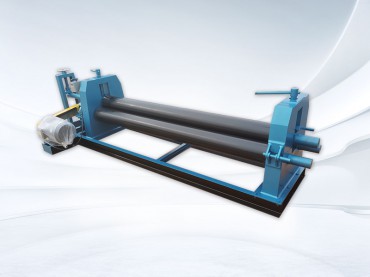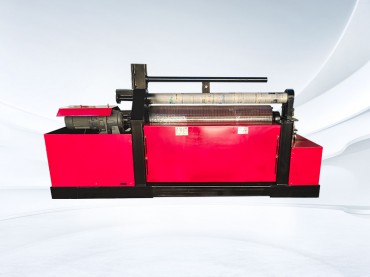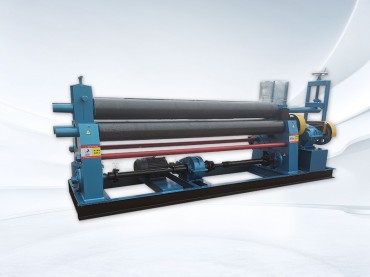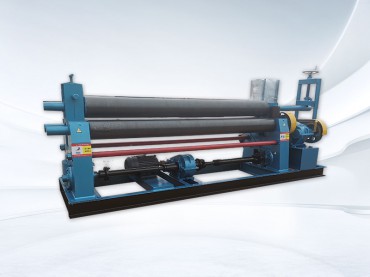
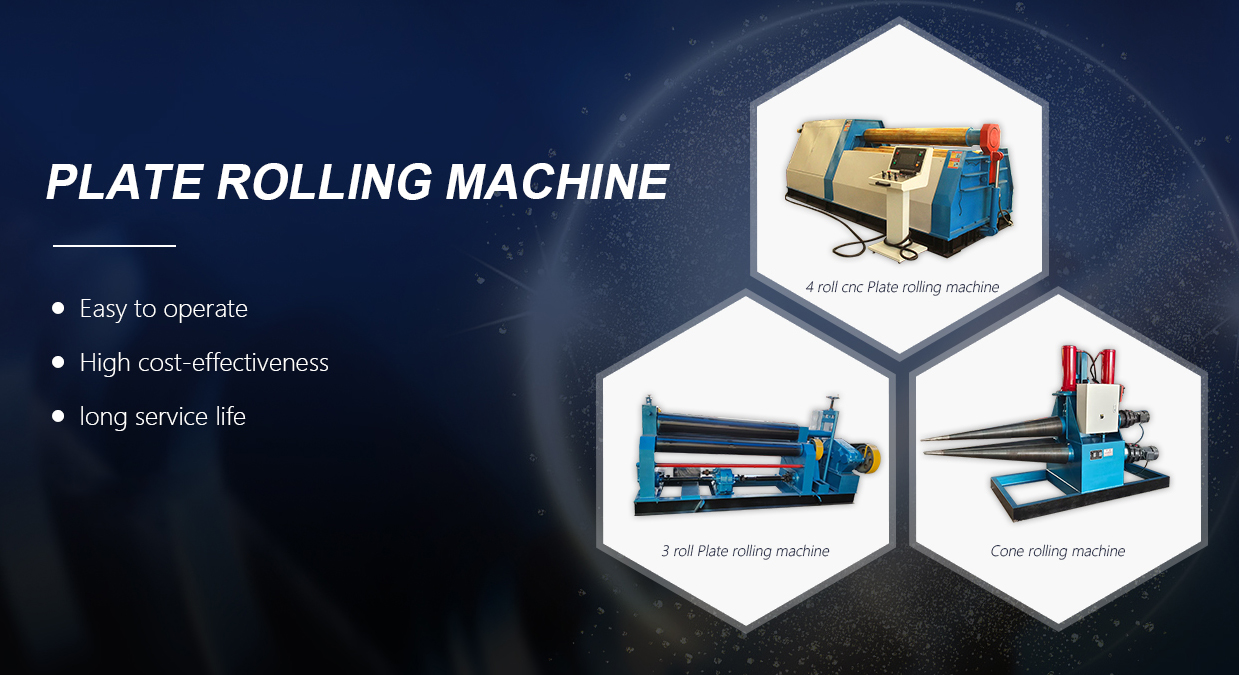
In the modern metalworking industry, the plate rolling machine is an extremely important forming equipment, widely used in pressure vessels, petrochemicals, shipbuilding, steel structures, wind power equipment, and mechanical manufacturing. The “plate rolling process” specifically refers to the comprehensive set of processing methods and technical procedures that utilize plate rolling machines to induce plastic deformation in metal plates. This enables the plates to be bent and rolled into cylindrical, conical, or curved components according to design specifications. This process not only determines the forming quality of the product but also directly impacts production efficiency and manufacturing costs.
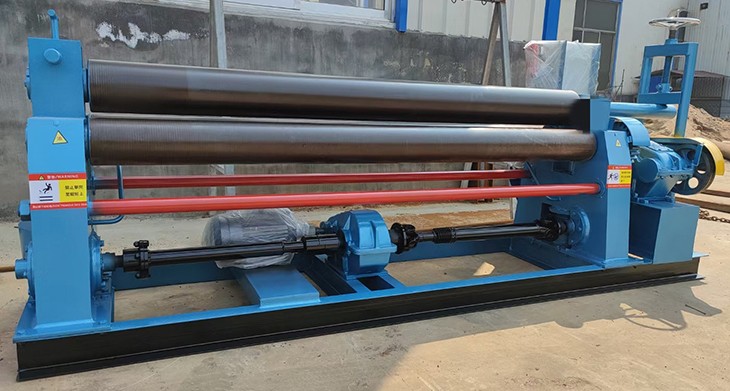
A plate rolling machine is a device that induces plastic deformation in metal sheets through mechanical force. It typically consists of a frame, rollers, a drive system, and a control system. In shipbuilding, plate rolling machines are primarily used to process curved structures such as hull shells, decks, and bulkheads. Due to the complexity of ship structures, high precision and stability are required, so marine plate rolling machines usually feature advanced technical specifications.
The operating principle of a plate rolling machine is based on the plastic deformation properties of metal materials. As the metal plate passes through the rollers, it is subjected to pressure and bending moments, gradually forming the desired curved shape. The entire process involves several stages: feeding the plate into the rolling machine; applying pressure through the rollers to induce bending; and controlling the shape and dimensions of the curve by adjusting the roller position and pressure. The precision of a rolling machine depends on the rigidity of the rollers, the stability of the transmission system, and the accuracy of the control system.
A typical plate rolling machine process generally includes the following steps:
(1) Sheet Preparation: According to drawing specifications, sheets undergo cutting, flattening, and surface inspection to ensure dimensional accuracy and sheet quality meet rolling requirements.
(2) Pre-bending Process: Prior to formal rolling, pre-bending is typically performed on both ends of the plate to reduce straight edge length and enhance forming accuracy. This step is particularly critical for final roundness and weld quality.
(3) Formal Rolling: By adjusting roller position and pressure, the plate gradually achieves the target curvature through multiple rolling passes. Operators must adjust process parameters in real-time based on plate springback behavior.
(4) Roundness Inspection and Testing: After forming, the workpiece undergoes roundness, straightness, and dimensional inspection. Minor adjustments are made as necessary to ensure the product meets design and application requirements.
Based on equipment structure and processing methods, plate rolling machine processes can be categorized into several types. The three-roll plate rolling machine process is suitable for conventional cylindrical and curved workpieces. Its relatively simple equipment structure makes it widely applicable. The four-roll process excels in high pre-bending accuracy and operational efficiency, particularly suited for thick plates and high-precision components. For specialized structural elements like cones, dedicated cone-forming processes are required, achieving tapered shapes through adjustable roll axis angles.
Plate rolling machine processes exhibit significant advantages including continuous forming, structural integrity, and high material utilization. Since the plate undergoes overall deformation in a plastic state, internal stress distribution remains relatively uniform, enhancing the structural strength and service life of the finished product. Additionally, this process relies less on molds, offering high flexibility suitable for multi-specification, small-batch, or customized production. Furthermore, with the advancement of CNC technology, modern plate rolling machine processes are evolving toward automation and intelligence. CNC plate rolling machines enable precise control over roller positioning and forming paths, significantly enhancing forming accuracy and repeatability.
Plate rolling machine plays an irreplaceable role in industrial manufacturing. From large storage tanks and boiler drums to wind turbine towers and bridge steel components, virtually all heavy equipment manufacturing involving curved sheet metal relies on mature, stable plate rolling technology. Overall, plate rolling machine stands as one of the core processes in metal sheet forming. With advancements in material properties and equipment technology, plate rolling will continue to evolve in precision control, processing efficiency, and smart manufacturing capabilities, delivering more reliable and efficient forming solutions for modern industry.
 Address:Room 1202, Detaitang Building, No. 118 Huaguang Road, Zhangdian District, Zibo, Shandong
 WhatsApp:+8615653328535
 Wechat: +8615965331535
  E-mail:zs@sdsmachinery.com