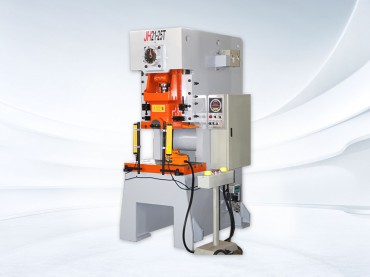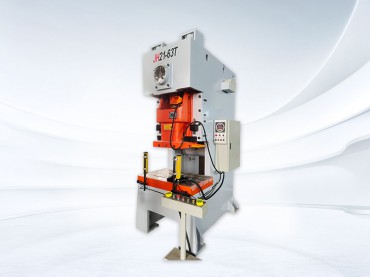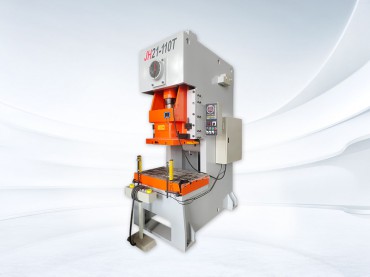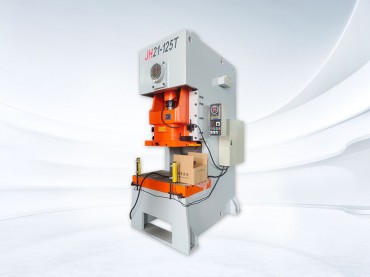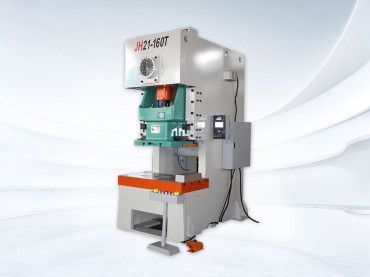
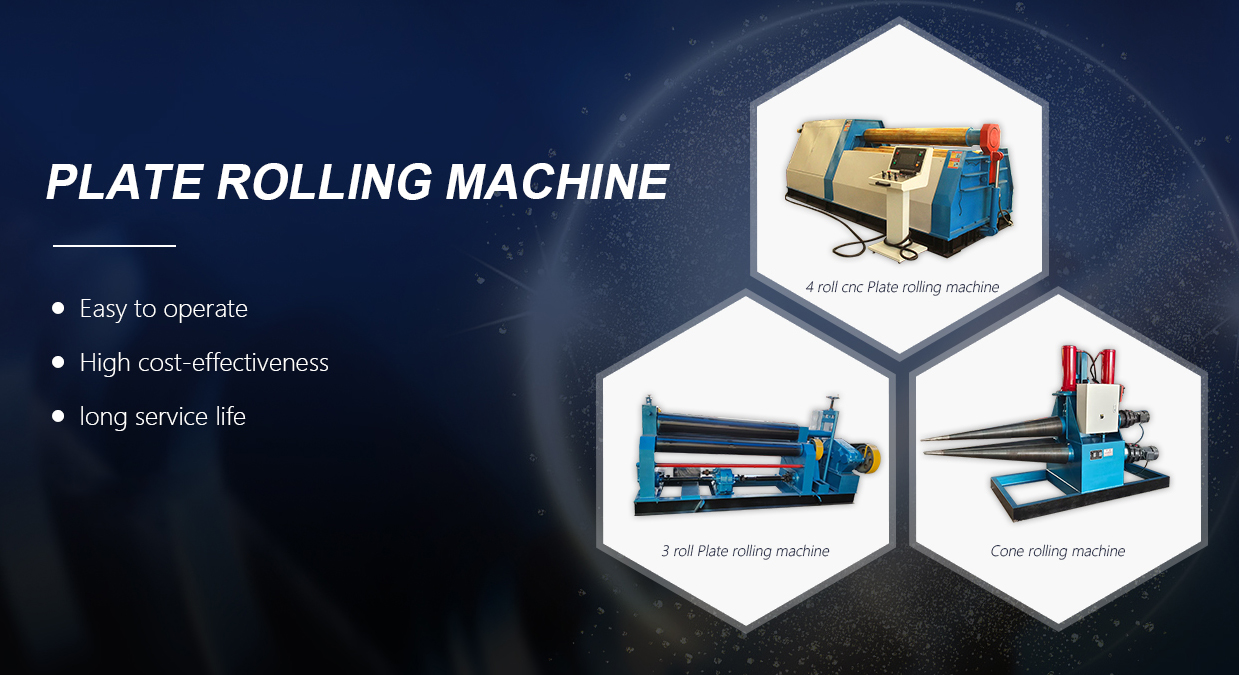
Punch presses, as common machinery in the metalworking industry, are widely used in various processes such as stamping, shearing, and forming. Their high efficiency and precision make them indispensable equipment in metal manufacturing. However, prolonged high-intensity use can lead to various issues affecting production efficiency and product quality. This article analyzes several common problems with punch presses and provides effective solutions to help manufacturers enhance equipment stability and production efficiency.
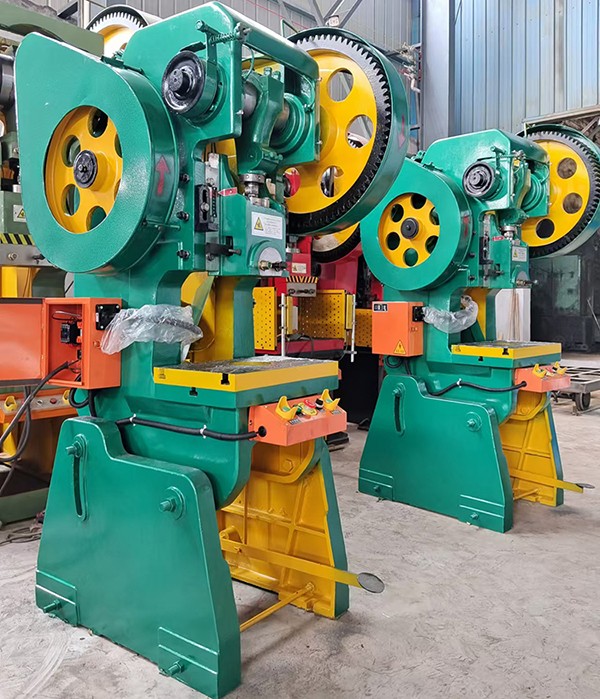
Noise generated during punch press operation is a frequent concern, particularly after prolonged use. Increased noise may stem from component wear or inadequate lubrication. Excessive noise not only degrades the workshop environment but may also impact operator health.
Solutions:
- Inspect Lubrication System: Verify proper functioning of the punch press's lubrication system, ensuring all moving parts receive adequate lubrication to minimize friction-induced noise.
- Replace worn components: Inspect critical parts (e.g., gears, bearings) for wear and promptly replace aged components to prevent noise issues caused by excessive wear.
- Install noise protection: Install noise isolation enclosures or sound-absorbing materials around the punch press to reduce noise transmission.
Inadequate precision is another common issue, particularly during high-volume production. Fluctuations in accuracy can lead to unstable product quality, impacting production efficiency and final product yield rates.
Solutions:
- Regularly inspect and calibrate equipment: Perform routine calibrations to ensure the positioning accuracy of dies and tools. Verify machine operating parameters like impact force, speed, and stroke to confirm compliance with specified standards.
- Ensure mold alignment: Verify mold alignment on the press, confirm proper installation, and regularly inspect for wear, replacing damaged molds promptly.
- Minimize vibration: To prevent accuracy loss, periodically assess the press foundation's stability and ensure the equipment does not generate excessive vibration.
Die jamming typically results from improper operation, incorrect die installation, or equipment malfunction. When dies become stuck, production halts, causing downtime and efficiency losses.
Solutions:
- Correct die installation: Ensure dies are installed according to standards with smooth, defect-free surfaces. Use specialized tools for installation and removal; avoid forced operations.
- Inspect die-to-table fit: Regularly check clearance between dies and the work table to prevent jamming caused by wear or deformation.
- Regularly clean and lubricate dies: Improper cleaning or insufficient lubrication are common causes of jamming. Routinely remove residue from dies, maintain clean surfaces, and apply appropriate lubricants.
Oil leakage in the hydraulic system of a punch press can lead to insufficient hydraulic fluid, adversely affecting the punch press's operational performance. Leaks not only waste resources but may also damage equipment.
Solutions:
- Inspect the hydraulic system: Regularly examine all components of the hydraulic system, such as cylinders, oil lines, and seals, to ensure no leaks are present. If leakage is detected, immediately shut down the machine for inspection and promptly replace damaged seals.
- Verify hydraulic oil quality: Oil quality is critical for proper equipment operation. Use appropriate hydraulic oil and perform regular oil changes to prevent system failures caused by degraded fluid.
- Install leak detection devices: Integrating leak detection sensors and alarm systems into the hydraulic circuit alerts operators promptly, preventing leaks from escalating.
Unstable punch press speed impacts production efficiency, particularly in high-precision manufacturing where inconsistencies may lead to non-conforming products.
Solutions:
- Inspect Motor and Drive System: Verify proper operation of the punch press motor and drive system. Ensure smooth motor operation without vibration or overheating.
- Inspect the control system: Verify the press's control system maintains stable speed regulation. Perform regular calibration to sustain consistent operating speeds.
- Examine transmission components: Conduct periodic inspections of the press's transmission system. Ensure gears, belts, chains, and other components show no signs of wear or looseness, maintaining optimal transmission condition.
Punch presses are crucial equipment in metal processing, but due to their demanding operating conditions and prolonged use, they often encounter issues. Timely maintenance, inspection, and adjustment can effectively resolve these common problems, ensuring equipment stability and production efficiency. During daily operation, operators should regularly inspect and maintain the punch press to keep it in optimal working condition. Only then can production efficiency be maximized, equipment failure rates minimized, and smooth production operations guaranteed.
 Address:Room 1202, Detaitang Building, No. 118 Huaguang Road, Zhangdian District, Zibo, Shandong
 WhatsApp:+8615653328535
 Wechat: +8615965331535
  E-mail:zs@sdsmachinery.com