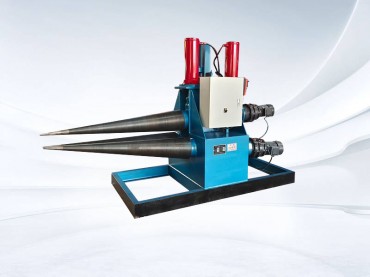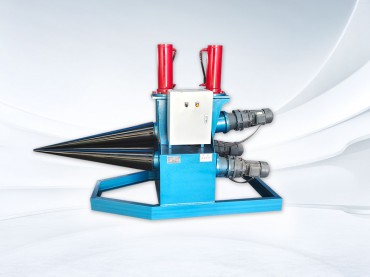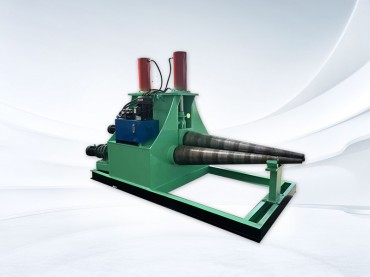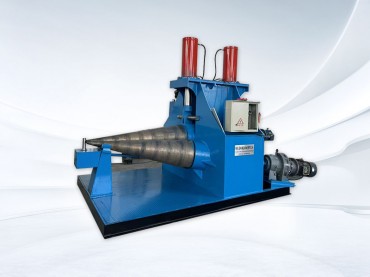
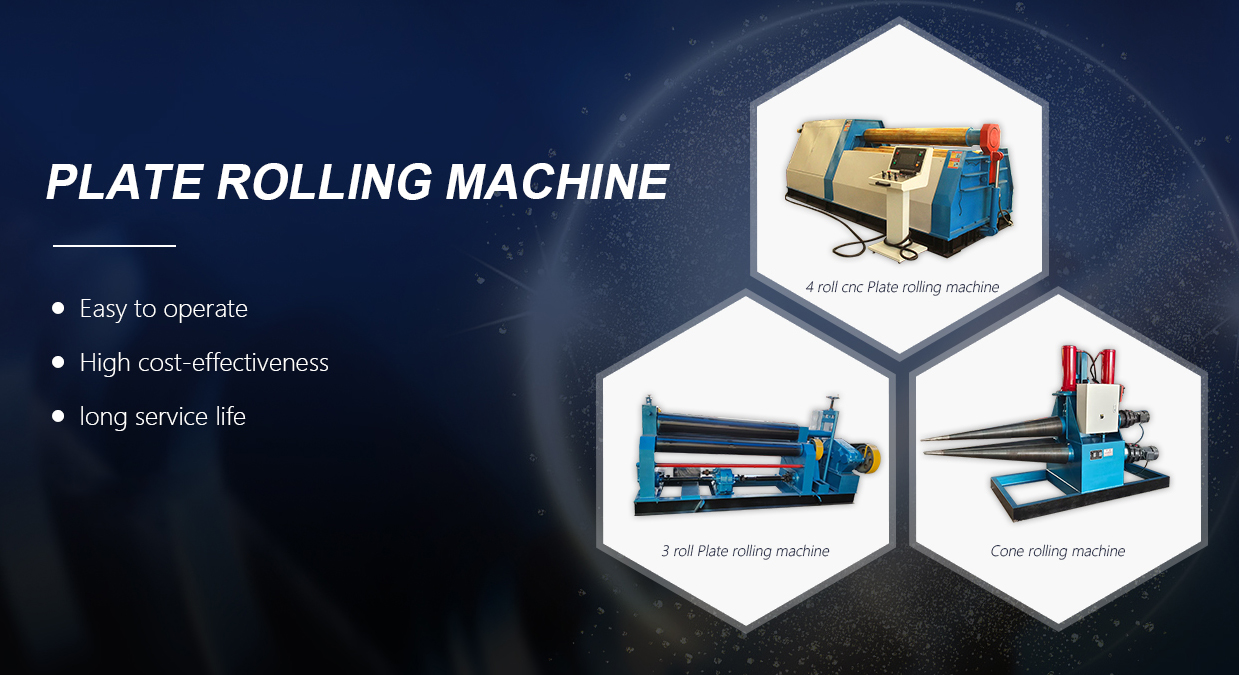
In today's global manufacturing landscape, where efficiency and precision are paramount, the production of metal conical components has undergone a revolutionary transformation. Traditional methods—relying on manual hammering, segmented welding, or complex molds—are rapidly being replaced by a more efficient and precise process. Known as modern roll forming, this technique not only streamlines production but also sets new benchmarks in precision, efficiency, and cost control. It has become a core process across multiple industries, from architectural steel structures to precision machinery manufacturing.
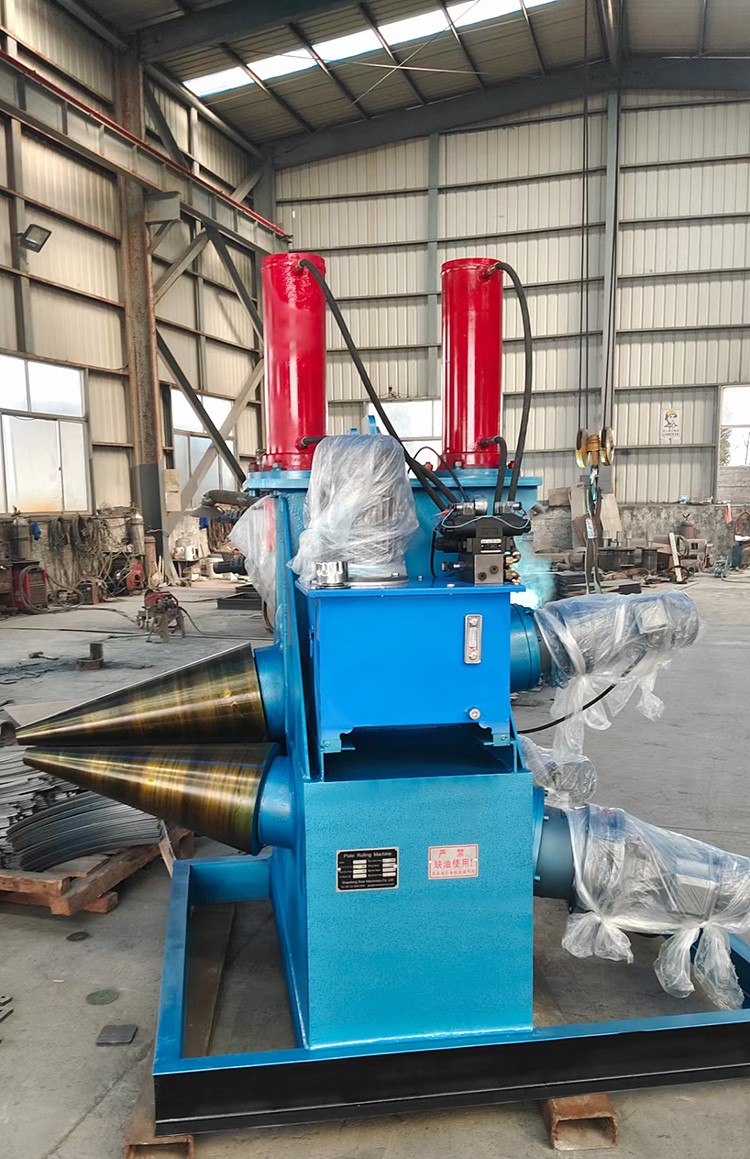
Compared to traditional methods, modern cone rolling technology reduces cone production time by over 70%. While crafting a medium-sized cone using conventional techniques might require hours of hammering, measuring, and adjusting, modern cone rolling systems complete the primary forming process in minutes. This efficiency gain stems from multiple innovations:
- Continuous forming capability: Most taper shaping is completed in a single pass without intermediate annealing or multiple adjustments
- Rapid die change systems: Taper adjustments are automated via CNC systems, requiring only parameter changes—not physical dies—to switch product specifications
- Integrated processing: Many systems combine pre-bending, rolling, and calibration functions, minimizing material handling and repositioning between operations
Precision stands as one of the most significant advantages of modern roll forming technology. While traditional methods struggle to guarantee the roundness, straightness, and dimensional consistency of cones, modern systems achieve remarkable accuracy levels:
- Dimensional accuracy: Diameter tolerances controlled within ±0.5 mm, far exceeding the ±3 mm+ typical of traditional methods
- Shape consistency: Shape repeatability error within a single batch less than 0.2%
- Surface Quality: Eliminates surface damage caused by traditional hammering, preserving the material's original surface condition
Material costs constitute a substantial portion of metal processing expenses. Modern rolled cone technology reduces material consumption through multiple approaches:
- Precise Cutting Calculations: The system accurately calculates the minimum sheet size required for the target cone, minimizing scrap from edges and corners
- Mold-free design: Eliminates substantial process allowances required in traditional mold methods
- First-pass forming success rate: High forming precision reduces scrap rates from dimensional mismatches, boosting overall material utilization by 25-40%
Modern roll forming systems revolutionize flexibility constraints in cone production:
- Rapid changeover capability: Switching between cones of different taper angles, dimensions, and materials requires only parameter adjustments, eliminating physical mold changes
- Small-batch economics: Maintains cost-effectiveness even for single-piece production, ideal for customized demands
- Wide-range adaptability: Single equipment handles diverse material combinations—from thin to thick plates, and from carbon steel to stainless steel
Traditional cone fabrication required skilled craftsmen, while modern roll forming technology redefines job requirements:
- Simplified operation: Operators with basic training can handle most production tasks
- Reduced labor intensity: Automated processes minimize heavy lifting and repetitive tasks
- Codified expertise: Transforms master craftsmen's experience into system parameters and process databases, preventing skill loss
Modern cone rolling equipment prioritizes operator safety and workplace conditions:
- Enclosed operation: Forming zones typically feature safety shielding to prevent operator contact with moving parts
- Noise control: Reduces noise pollution by over 30 decibels compared to traditional hammering methods
- Waste management: Centralized processing of minimal scrap generated during forming maintains a tidy work area
cone rolling machines are widely used in the following fields:
- Pressure vessel and tank manufacturing.
- Chemical and environmental protection equipment.
- Ventilation and dust removal systems.
- Conical cylinders, cone hoppers, and cone pipes.
- Processing of stainless steel, carbon steel, and aluminum cone components.
Whether working with thin sheets or medium-thick plates, cone rolling machines achieve stable forming results as long as parameters are properly matched.
To truly achieve the “simplest” cone rolling process, focus on these aspects when purchasing a cone rolling machine: maximum plate thickness and width for rolling, adjustable taper range, pre-bending capability, control system precision and stability, as well as equipment rigidity and durability. Proper selection not only streamlines the operation process but also extends the equipment's service life.
Overall, utilizing specialized cone rolling machines for tapered forming represents the simplest, most efficient, and most modern industrial production solution available today. It significantly reduces operational complexity while markedly improving machining precision and production efficiency, establishing itself as the mainstream solution in cone manufacturing. As equipment technology continues to advance, cone rolling machines will deliver greater value across more metalworking applications, providing robust support for enterprises seeking efficient, stable, and standardized production.
 Address:Room 1202, Detaitang Building, No. 118 Huaguang Road, Zhangdian District, Zibo, Shandong
 WhatsApp:+8615653328535
 Wechat: +8615965331535
  E-mail:zs@sdsmachinery.com