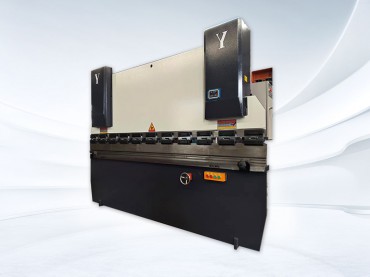
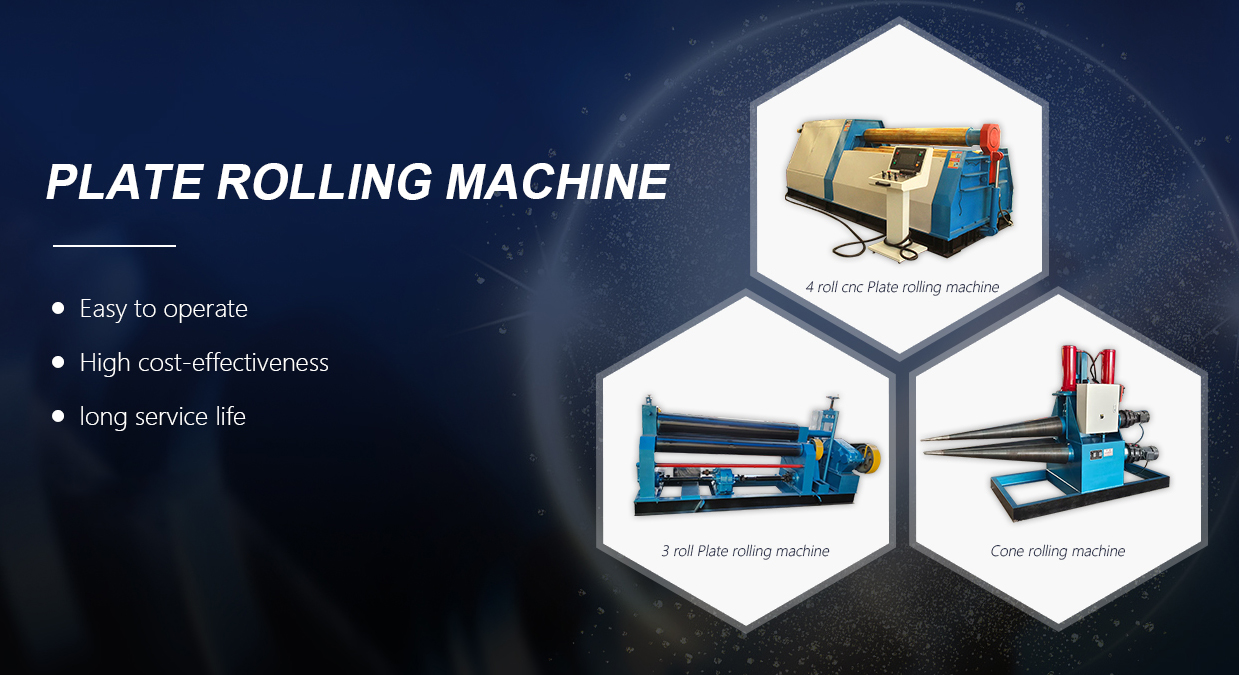
With the continuous advancement of modern manufacturing technology, CNC bending machines have become indispensable tools in numerous industries as advanced mechanical processing equipment. Through precise control via CNC systems, they enable efficient and accurate bending of metal sheets. Compared to traditional mechanical bending equipment, CNC bending machines offer higher levels of automation, precision, production efficiency, and operational convenience, finding widespread application across various manufacturing and processing fields.
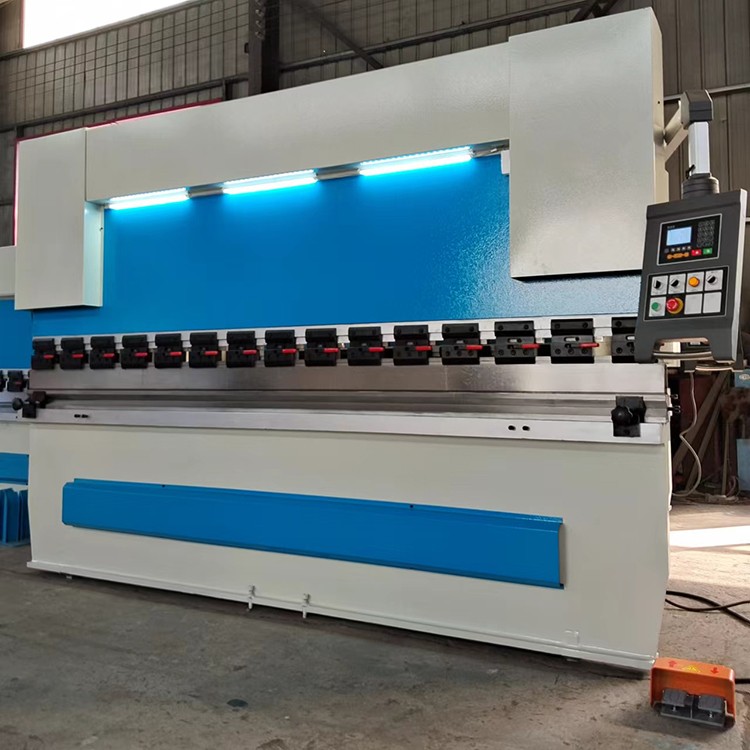
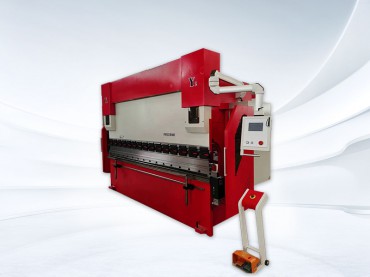
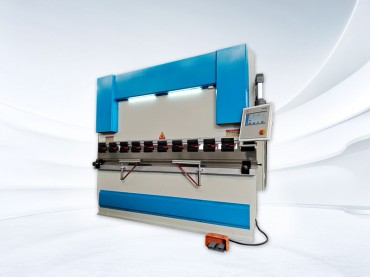
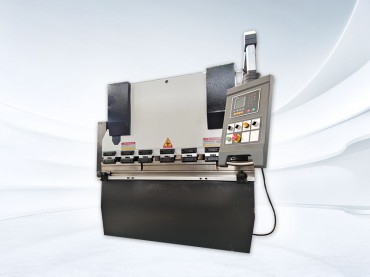
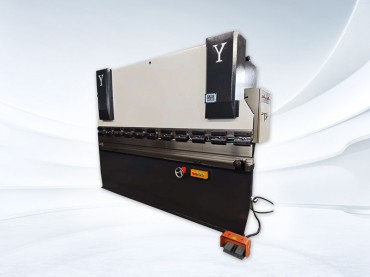
A CNC bending machine is equipment that utilizes numerical control technology to perform bending operations on metal sheets. It employs a computer numerical control system to precisely regulate parameters such as bending angle, bending radius, and bending length, thereby achieving high-precision, high-efficiency processing. CNC bending machines are extensively used in metal fabrication, automotive, aerospace, construction, and home appliance industries, offering irreplaceable advantages in batch production and high-precision machining.
One of the most significant advantages of CNC bending machines is their exceptional machining accuracy. Traditional bending machines rely on manual operation, making them susceptible to fluctuations in precision due to operator skill levels and working conditions. In contrast, CNC bending machines utilize program control to precisely adjust each parameter during processing, ensuring consistent results with every operation. This capability is particularly valuable for complex parts or mass production, guaranteeing high-precision, consistent output while minimizing human error and rework risks.
The high automation level of CNC bending machines allows operators to execute complex tasks with minimal effort. After inputting the processing program into the CNC system, the machine automatically performs bending operations, significantly reducing operator workload. In high-volume production, CNC bending machines enable fully automated manufacturing, decreasing the frequency and complexity of manual intervention while substantially boosting production efficiency.
Traditional bending machines require manual adjustments and operation, resulting in lower production efficiency. In contrast, CNC bending machines can complete the same tasks at higher speeds with minimal human intervention. Thanks to their precise control and automated operation, CNC bending machines not only reduce idle equipment time but also minimize material waste and rework rates, thereby significantly boosting production efficiency and lowering production costs.
CNC bending machines feature automatic positioning, adjustment, and bending functions, substantially reducing operational time. Manual adjustment and positioning processes often consume considerable time, whereas CNC bending machines can complete the entire bending process in one programmed cycle, eliminating frequent manual adjustments and greatly improving work efficiency. Additionally, CNC bending machines enable precise repeatable processing, further enhancing production process stability.
CNC bending machines perform automated operations through program control, not only boosting production efficiency but also reducing direct operator intervention and contact. This lowers the risk of safety incidents caused by human error or improper operation, improving workplace safety. Furthermore, CNC bending machines can be equipped with various safety measures, such as protective covers and emergency stop buttons, to further ensure operator safety.
In automotive manufacturing, CNC bending machines are used to produce components such as body panels, chassis parts, doors, and roof sections. Given the complex bending shapes often required for these parts, CNC bending machines meet the automotive industry's demands for machining precision and production efficiency with high accuracy and consistency.
Within the construction sector, CNC bending machines are extensively employed for processing metal structures, particularly for bending materials like steel plates and aluminum sheets. Construction frameworks demand high material strength, precision, and corrosion resistance. CNC bending machines deliver superior processing results, enhancing the overall structural safety.
In home appliance production, CNC bending machines are typically employed for fabricating metal enclosures, such as those for refrigerators, washing machines, and air conditioners. Given the complex shapes and stringent precision requirements of appliance housings, the application of CNC bending machines significantly boosts production efficiency and product quality.
The aerospace industry demands extremely high precision in materials. The application of CNC bending machines in this field ensures the stability and safety of aircraft components under high-strength, high-temperature conditions. These machines can process special alloys and high-strength materials, meeting the aerospace sector's stringent requirements for machining accuracy and performance.
With their high precision, efficiency, low error rates, and high automation, CNC bending machines hold a vital position in modern manufacturing. They will play an increasingly significant role, becoming indispensable equipment in the future of manufacturing.
 Address:Room 1202, Detaitang Building, No. 118 Huaguang Road, Zhangdian District, Zibo, Shandong
 WhatsApp:+8615653328535
 Wechat: +8615965331535
  E-mail:zs@sdsmachinery.com