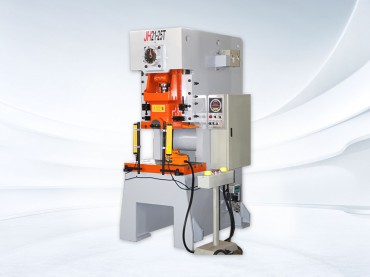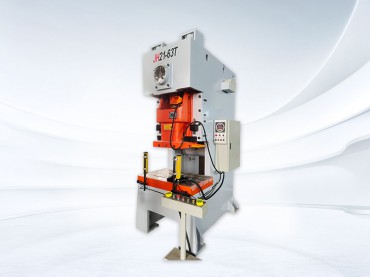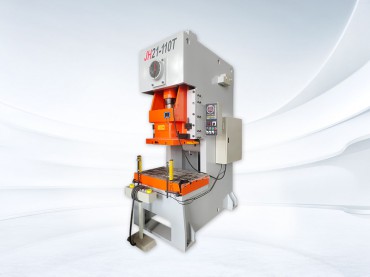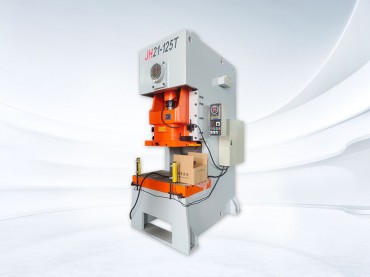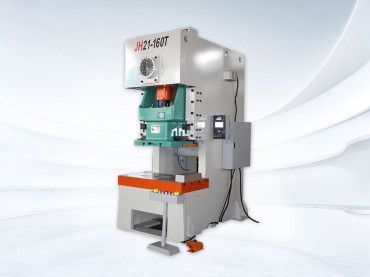
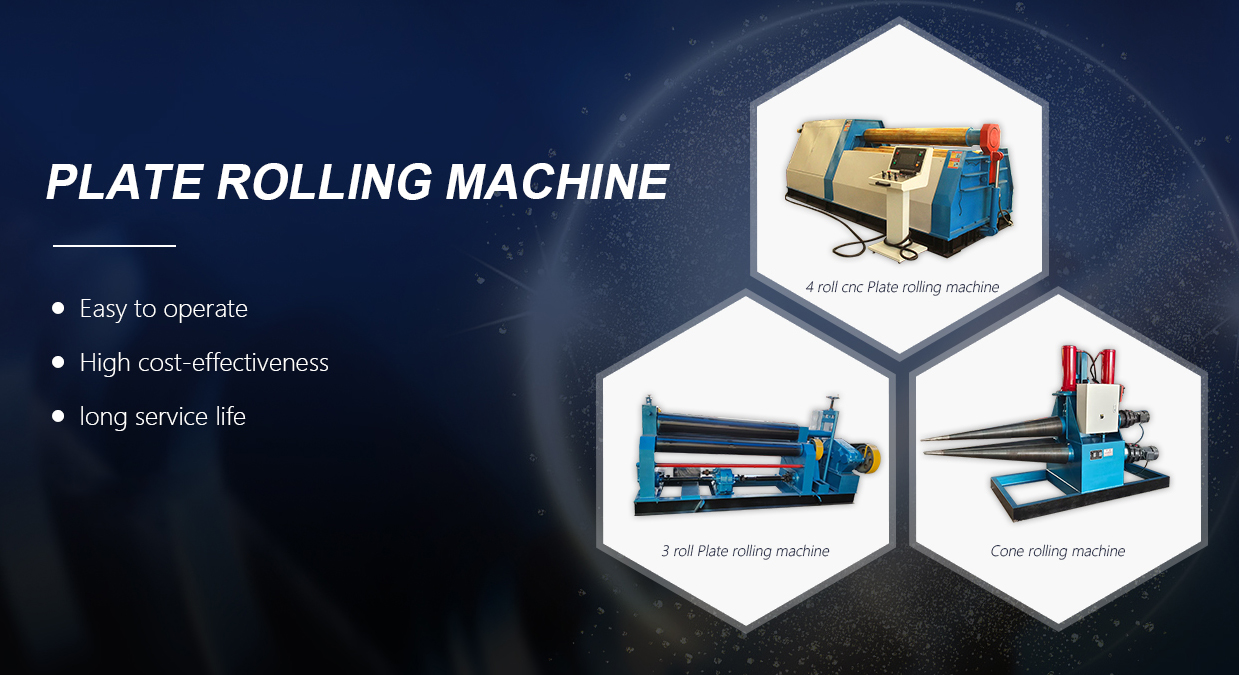
In modern manufacturing, the power press serves as a vital metalworking machine widely utilized across diverse production sectors. Whether in automotive, home appliances, electronics, aerospace, construction, or consumer goods manufacturing, power presses play an indispensable role. With their high efficiency and precision, they have become key tools for enhancing production efficiency, reducing costs, and ensuring product quality in the manufacturing industry.
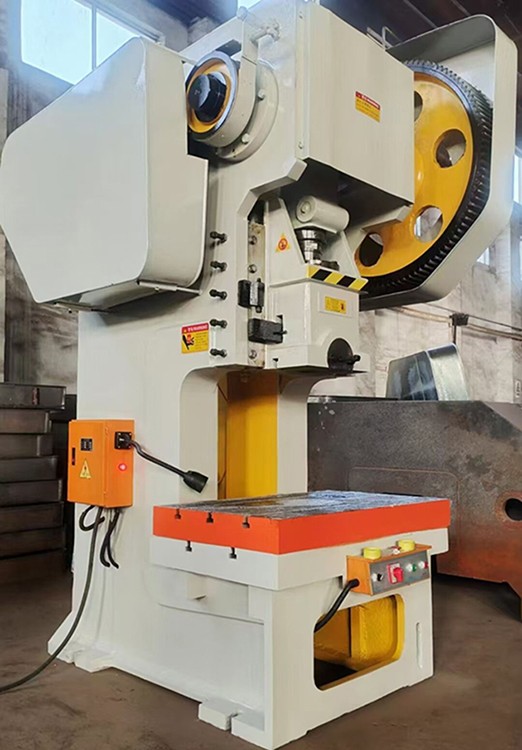
A power press, commonly referred to as a power press, is a machine that uses impact force to shape metal or other materials into specific forms within dies. It employs a power system to generate pressure, driving dies to perform stamping operations. Presses are frequently used for metal forming, punching, cutting, bending, stretching, and other processes. Based on different drive mechanisms and application fields, presses can be categorized into mechanical power presses, hydraulic power presses, pneumatic power presses, and other types. While differing in process requirements, production capacity, and cost, all types share the common feature of efficiently executing highly repetitive machining tasks.
High efficiency stands as one of the most significant advantages of power presses. Their ability to complete large-scale production tasks in minimal time proves particularly advantageous during batch manufacturing. Whether in metal punching, cutting, or forming processes, presses minimize processing time per cycle, thereby boosting overall production efficiency.
Another advantage lies in delivering highly consistent and accurate results. Thanks to advanced control systems, presses ensure precision in every stamping operation, maintaining uniform dimensions and shapes of workpieces. Particularly in high-precision manufacturing, the repeatable processing performance of power presses significantly reduces errors and increases product yield rates.
Power presses offer strong flexibility, allowing for quick die changes and adjustments to meet diverse processing demands. They can handle not only metal stamping but also materials like plastics, rubber, and composites. Additionally, they can perform diverse processes including cutting, punching, bending, stretching, and forming, making them widely applicable across numerous industries.
As highly automated equipment, power presses decrease reliance on manual labor, lowering operational costs and physical strain. In traditional manual production, workers perform repetitive tasks that consume significant time and are prone to errors. With presses, operators only need to perform simple setup and monitoring, reducing the complexity of manual tasks.
Modern power presses are equipped with multiple safety features, such as protective covers, emergency stop buttons, and photoelectric sensors, ensuring operators remain unharmed during operation. Compared to traditional manual methods, the automation and enclosed working environment of presses significantly reduce accidents caused by human error, improving production line safety.
- Automotive Industry: Presses are extensively used in manufacturing automotive components, including body stamping, chassis part forming, and engine component machining. Their high precision and efficiency make them indispensable equipment in automotive production.
- Home Appliance Industry: In appliance manufacturing, power presses perform hole punching, cutting, and forming of metal casings, ensuring product aesthetic quality and structural integrity.
- Electronics Industry: Power presses process electronic product enclosures and manufacture precision components, safeguarding the aesthetic design and functionality of electronic devices.
- Aerospace: The high precision and reliability of power presses play a crucial role in metal part processing for aerospace applications, ensuring components withstand stress and high temperatures in complex environments.
As a vital metalworking machine, power presses offer significant advantages in boosting production efficiency, guaranteeing product quality, and reducing manufacturing costs. Their widespread adoption across multiple industries underscores their critical role in modern manufacturing. With ongoing technological advancements, power presses will further enhance their performance and capabilities, empowering enterprises to achieve more efficient and precise production goals. Moving forward, power presses will continue to provide robust support for innovation and upgrading within the global manufacturing sector.
 Address:Room 1202, Detaitang Building, No. 118 Huaguang Road, Zhangdian District, Zibo, Shandong
 WhatsApp:+8615653328535
 Wechat: +8615965331535
  E-mail:zs@sdsmachinery.com