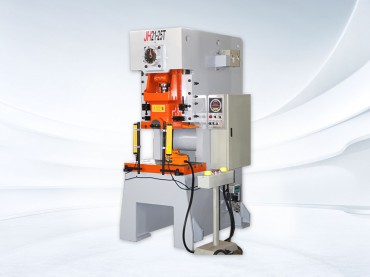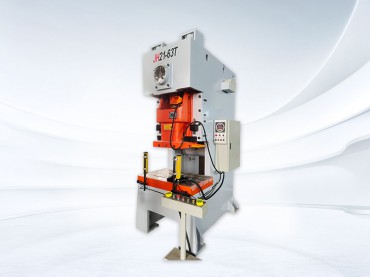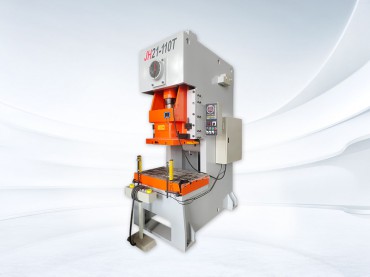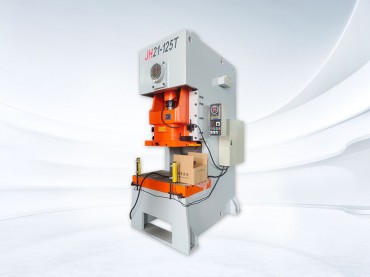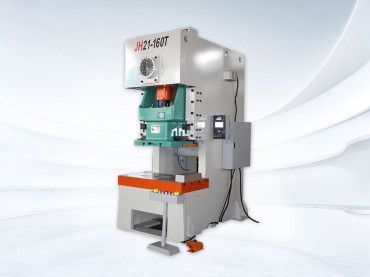
A punch press is a mechanical device commonly used in metal processing and manufacturing, widely applied in processes such as punching, shearing, and forming. By pressing tools onto workpieces, punch presses cut or shape metal sheets with high efficiency and precision, making them extensively used in industries like automotive, home appliances, and metal products. However, operating punch presses involves certain risks, and only through proper methods and safety measures can their efficient operation be ensured and accidents prevented.
punch presses operate by applying pressure to the workpiece through a ram (or punch) driven by a press mechanism, achieving cutting, punching, or forming objectives. The core components include:
- Mainframe: Typically comprising the bed, press plate, and transmission system, forming the primary structure.
- Punch (Die): The core working component that processes the workpiece through movement.
- Control System: Manages press operations, including manual and automatic control systems.
- Electrical Control System: Supplies power and coordinates system functions.
Presses are categorized based on drive mechanisms and operating principles, primarily including:
- Mechanical Punch Press: Driven by a flywheel, utilizing a mechanical transmission system to complete operations. Suitable for most conventional stamping tasks.
- Hydraulic Punch Press: Driven by a hydraulic system, delivering stable impact force. Ideal for high-precision or complex workpiece processing.
- Pneumatic Punch Press: Utilizing air pressure for drive, offering lower impact force. Suitable for small-scale production or low-intensity stamping operations.
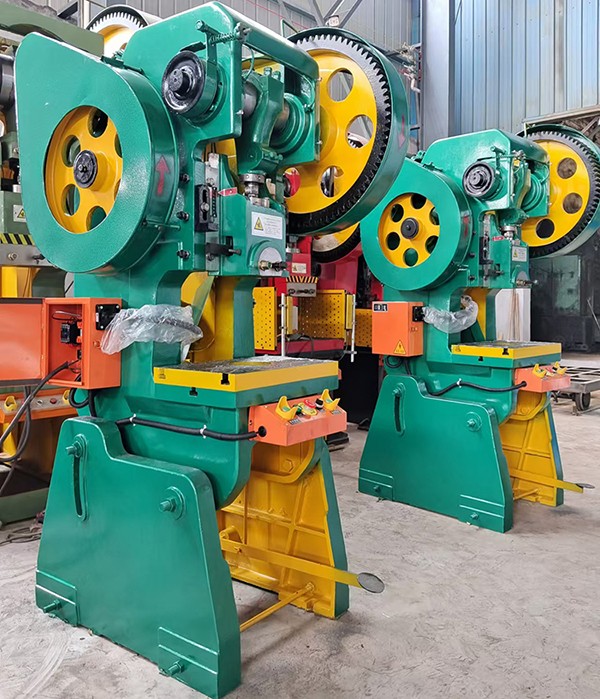
Before formally operating a press, a series of preparatory steps must be completed to ensure the machine is in good working condition and operators can perform tasks safely and efficiently.
Before starting the press, first inspect the overall condition of the machine to ensure there are no mechanical faults or safety hazards. Inspection items include:
- Equipment cleanliness: Ensure the press and its accessories are free of debris, oil stains, etc.
- Die inspection: Verify secure die mounting and confirm dies are intact with no cracks or damage.
- Hydraulic system check: Ensure proper hydraulic oil level, unobstructed oil lines, and no leaks.
- Electrical system check: Verify electrical wiring integrity and normal operation of the control panel.
Based on process requirements, select appropriate dies and install them on the press, ensuring the workpiece is securely clamped.
- Die installation: Install dies to ensure smooth contact with the worktable surface and unobstructed punch movement.
- Secure workpiece: Firmly clamp the workpiece to the worktable to prevent displacement during stamping.
- Adjust stroke: Modify the punch stroke based on stamping depth and workpiece thickness to maintain a safe clearance between punch and workpiece during operation.
Operators must wear essential PPE when using the press to prevent accidents:
- Safety goggles: Protect eyes from metal shavings or other projectiles.
- Protective gloves: Prevent hand injuries from the punch or workpiece.
- Earmuffs: Mitigate hearing damage from high noise levels generated during operation.
- Workwear: Wear appropriate clothing to prevent loose garments from being caught in machinery.
After completing preliminary preparations, punch press operation may commence. The following outlines common operating steps:
- Power On: First ensure power is connected. Inspect indicator lights and buttons on the control panel for normal operation.
- Adjust parameters: Modify stamping speed, pressure, punch stroke, and other settings according to process requirements.
- Initiate stamping: Activate the press via the control panel or joystick to start the punch's vertical motion, stamping the workpiece.
- Monitor workpiece: Operators must continuously observe the stamping process to prevent misalignment, deformation, or other defects.
- Maintain Focus: Operators must concentrate fully during the stamping process to prevent operational errors.
After each stamping cycle, operators should verify the workpiece's dimensions and shape against design specifications.
- Measure Dimensions: Use tools like calipers to measure workpiece dimensions.
- Visual Inspection: Check stamped parts for defects such as cracks or burrs to ensure quality.
After completing operations, turn off the power supply and shut down the machine for equipment cleanup.
- Clean Workpieces: Promptly remove stamped parts to prevent scrap accumulation that could disrupt subsequent production.
- Inspect Equipment: Check the press for integrity and clear the workbench to avoid debris interfering with operation.
Safety is paramount during press operation. Basic requirements include:
Keep the work area clean and dry. Ensure no unnecessary tools or items are left in the operating zone to prevent accidents.
Non-operators must remain away from the machine during operation to avoid contact with the moving punch.
Operate the press within its rated capacity. Never overload the equipment. Operators should select appropriate pressure and stroke based on process requirements and material thickness.
Conduct periodic inspections and maintenance of the press equipment, including cleaning, lubrication, and checking component wear, to ensure long-term stable operation.
If mechanical failures occur during press operation (e.g., material jams, abnormal noises), immediately stop operation and conduct an inspection to avoid equipment damage or safety incidents.
As a vital industrial tool, punch presses are widely used in metal fabrication. Operators must strictly adhere to operating procedures to ensure safe and efficient task completion. Proper use and maintenance not only enhance productivity and extend equipment lifespan but also guarantee product quality and operational safety. For manufacturers, standardized procedures and rigorous safety training are paramount to safeguarding employees and ensuring uninterrupted production.
 Address:Room 1202, Detaitang Building, No. 118 Huaguang Road, Zhangdian District, Zibo, Shandong
 WhatsApp:+8615653328535
 Wechat: +8615965331535
  E-mail:zs@sdsmachinery.com