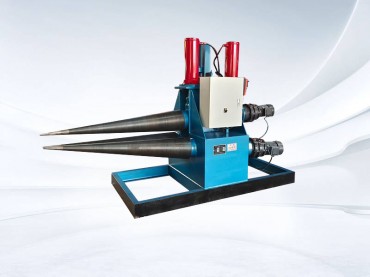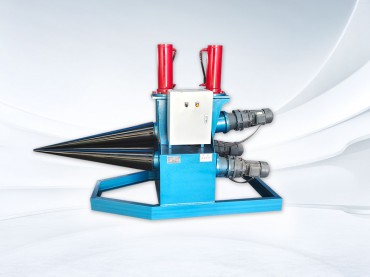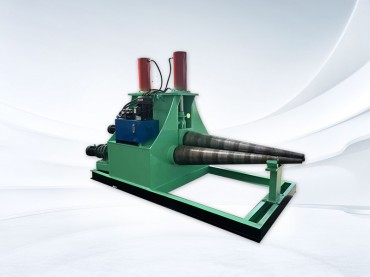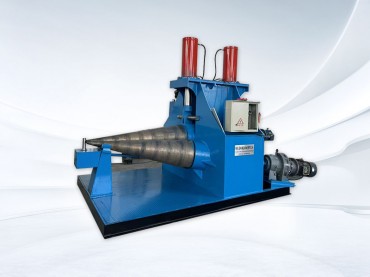
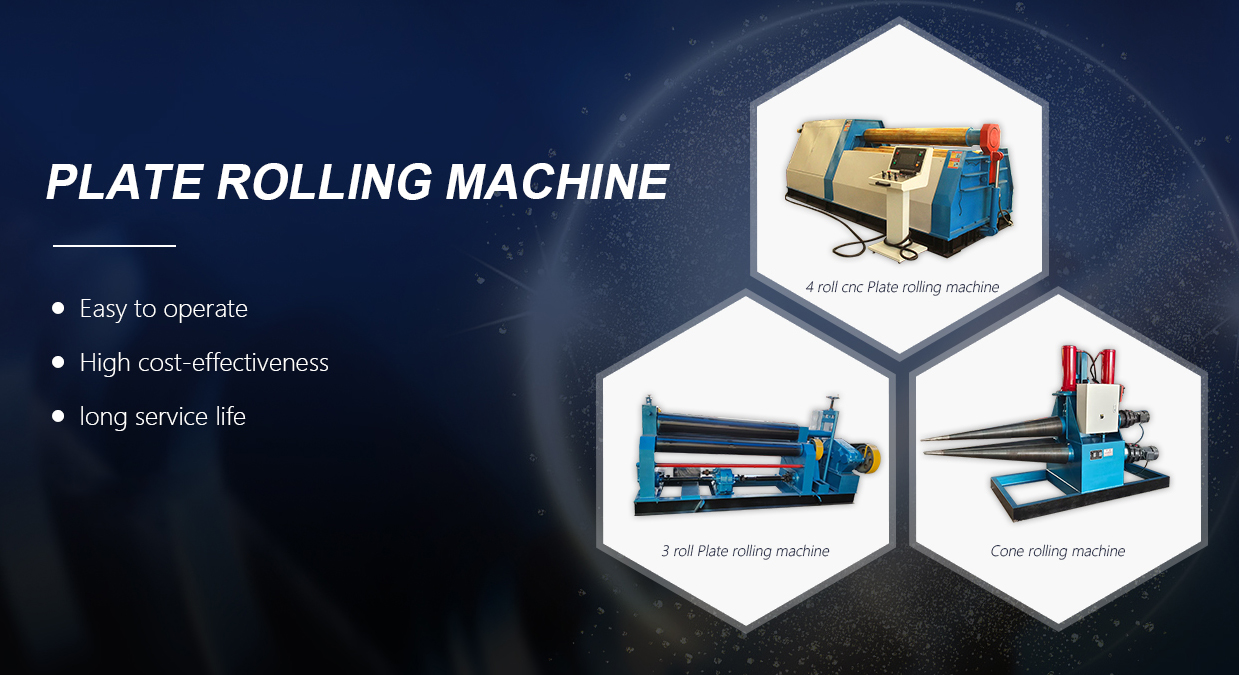
The primary function of cone rolling machines is to bend metal sheets into desired conical or curved structures through roll forming processes. Based on different processing requirements, cone rolling machines can be categorized as follows:
- Mechanical cone rolling machines: Utilize gear transmission structures, suitable for processing small to medium-sized workpieces. They feature simple operation and lower maintenance costs.
- Hydraulic cone rolling machines: Powered by hydraulic systems, these are suitable for processing thicker metal sheets and offer higher forming precision.
- CNC cone rolling machines: Utilizing digital control systems for automated processing, these are ideal for high-precision, high-volume production requirements.
Each type of cone rolling machine has its specific application scenarios, allowing users to select the appropriate equipment based on actual production needs.
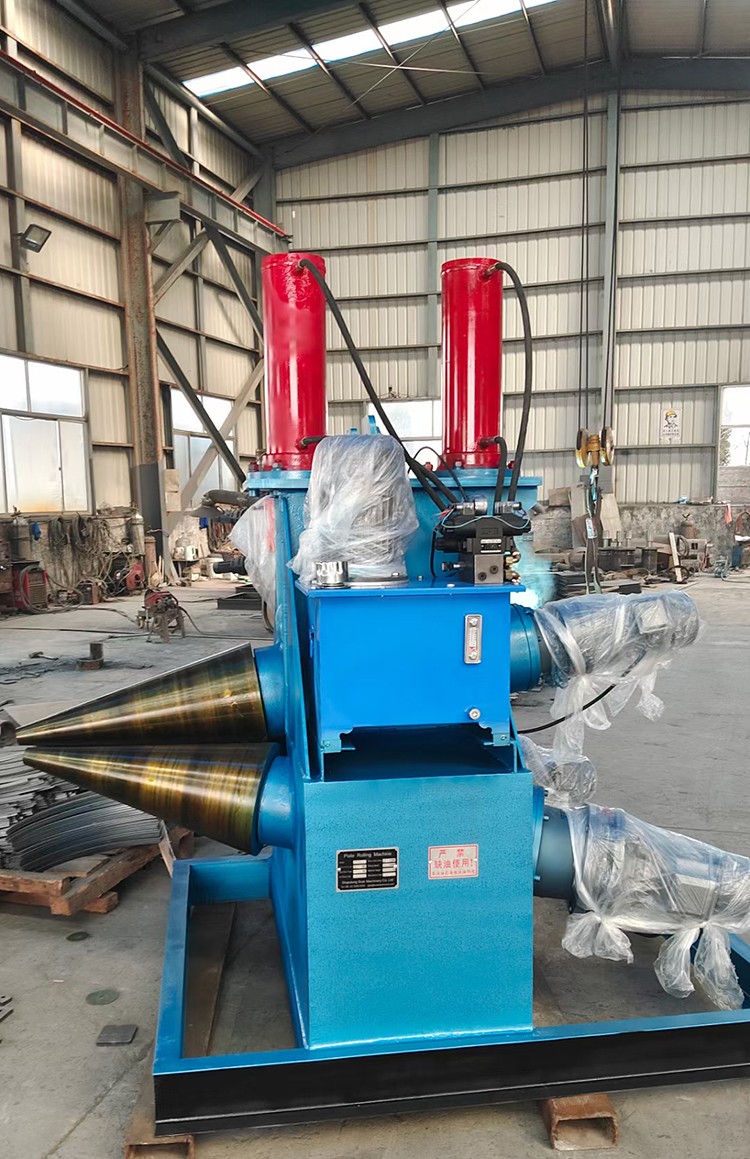
The core function of roll forming machines is to induce plastic deformation in metal sheets through roller rotation and pressure, ultimately forming conical or curved structures. The process involves the following steps:
(1) Feeding: Inserting the metal sheet between the machine's rollers.
(2) Pre-bending: Coordinated action of upper and lower rollers pre-bends both ends of the sheet to prevent edge irregularities during direct rolling.
(3) Rolling: Continuous roller rotation gradually bends the sheet under pressure, forming the desired conical or curved shape.
(4) Forming: Final shaping is achieved by adjusting roller position and pressure to complete the rolling process.
The precision and efficiency of a cone rolling machine depend on its design and control system. High-quality machines minimize material waste and enhance yield rates.
Cone rolling machines offer the following benefits in metal fabrication:
- Efficient Forming: Compared to traditional manual or semi-mechanical methods, cone rolling machines rapidly produce complex shapes, boosting production efficiency.
- Controllable Precision: Modern machines feature high-precision adjustment systems, ensuring dimensional tolerances remain within strict limits.
- Versatility: Capable of processing diverse metals including carbon steel, stainless steel, and aluminum alloys to meet cross-industry requirements.
cone rolling machines serve extensive applications across multiple sectors:
- Petrochemical Industry: Manufacturing conical heads for storage tanks, pipelines, and related equipment.
- Construction Industry: Processing curved beams, conical columns, and other components for steel structures.
- Power Equipment Manufacturing: Producing large metal components like wind turbine towers and transformer housings.
As manufacturing continues to evolve, market demand for cone rolling machines is steadily increasing, with potential for expansion into additional sectors.
To ensure long-term stable operation, users must perform regular equipment maintenance:
- Lubrication: Periodically inspect and replenish lubricating oil to minimize mechanical wear.
- Critical Component Inspection: Focus on the operational status of core components like roll shafts and hydraulic systems, replacing worn parts promptly.
- Operating Standards: Strictly follow the user manual when operating the equipment to prevent malfunctions caused by overload or incorrect operation.
To ensure safety and extend equipment lifespan, observe the following precautions when operating hydraulic roll forming machines:
(1) Before operation, check the hydraulic system oil level and temperature for normalcy, and inspect all connections for looseness.
(2) Set working pressure appropriately based on material thickness to prevent overload operation.
(3) Center sheet placement to avoid uneven loading and stress distribution.
(4) Regularly inspect work roll surface condition and promptly remove debris to prevent workpiece scratches.
(5) Monitor equipment operation during processing; immediately stop and inspect upon detecting abnormalities.
(6) Strictly adhere to operating procedures; adjustments or maintenance are prohibited while the equipment is running.
As a critical metalworking machine, the performance and quality of a cone rolling machine directly impact production efficiency and product quality. Selecting the appropriate cone rolling machine and implementing proper maintenance management can deliver long-term, stable production benefits for your enterprise. If you are interested in cone rolling machines, please contact us. We will recommend suitable equipment and provide a quotation.
 Address:Room 1202, Detaitang Building, No. 118 Huaguang Road, Zhangdian District, Zibo, Shandong
 WhatsApp:+8615653328535
 Wechat: +8615965331535
  E-mail:zs@sdsmachinery.com