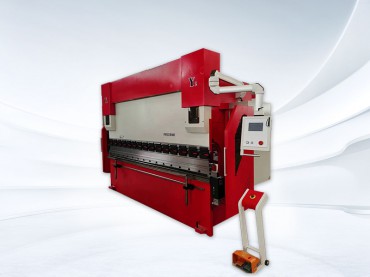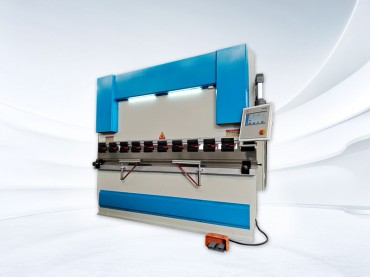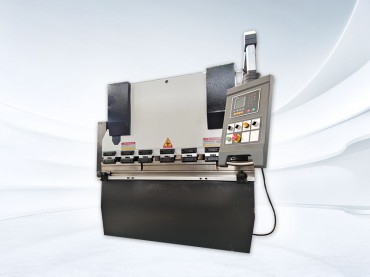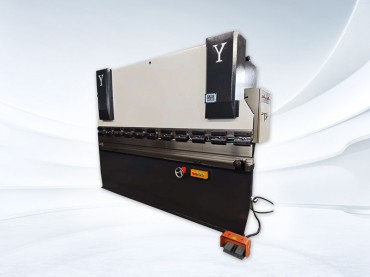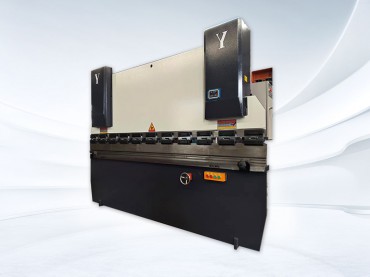
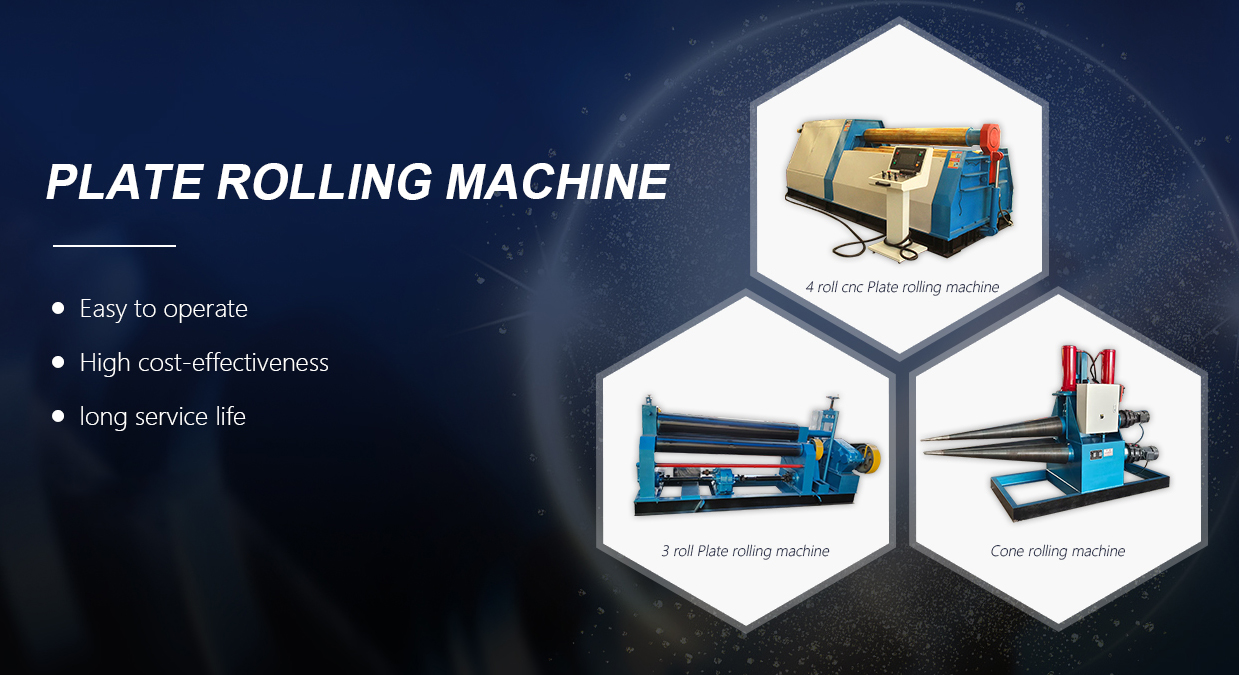
In the metalworking industry, hydraulic bending machines serve as common and essential equipment, widely applied in sheet metal forming, machinery manufacturing, architectural decoration, and automotive component production. With their robust bending capacity and high processing precision, hydraulic bending machines have become vital tools for numerous enterprises to enhance production efficiency and processing quality.
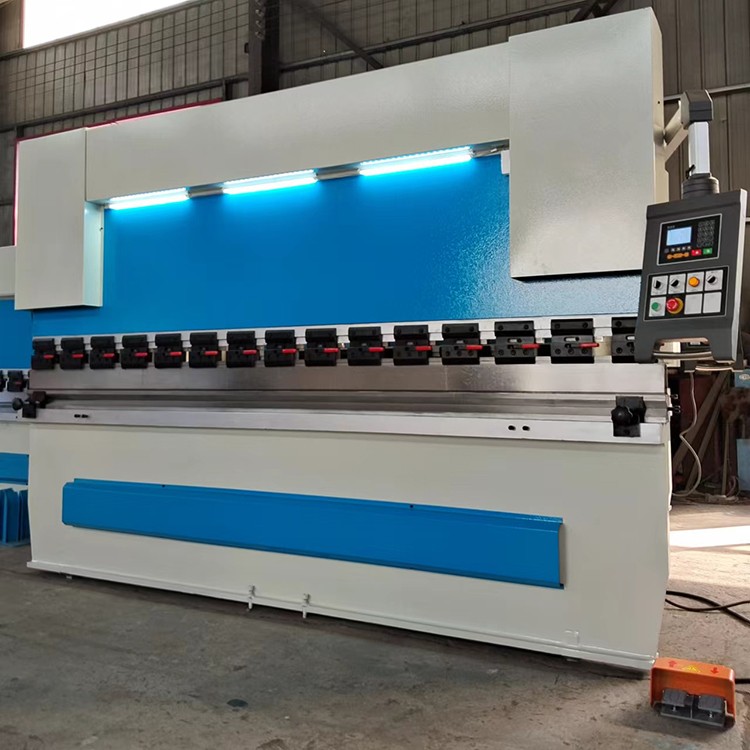
Before using a hydraulic bending machine, operators must conduct thorough preparations to ensure smooth and safe production processes:
Verify correct power connections and stable voltage. Check hydraulic oil level and ensure oil cleanliness.
Select dies matching workpiece thickness and bending angle. Inspect upper and lower dies for cracks or wear. Clean the workbench to prevent debris from affecting workpiece positioning.
Ensure emergency stop buttons, protective covers, foot switches, and other safety devices are in proper working order. Operators must wear required safety gear.
Verify dimensions and inspect the surface of the metal sheet to be bent, ensuring it is free of oil, contaminants, and obvious defects.
Thorough preparation not only enhances machining precision but also minimizes equipment failure rates and safety hazards.
(1) Die Adjustment: Select appropriate dies based on workpiece dimensions, then adjust and install them.
(2) Bending Angle and Depth Adjustment: Set the bending angle and depth according to workpiece requirements, typically via the control handle.
(3) Position and clamp: Place the workpiece on the worktable, position it accurately, and secure it firmly to prevent movement during bending.
(4) Start the bending machine: Activate the bending machine according to its operating instructions and initiate the bending process.
(5) Complete the bend: Wait for the bending cycle to finish, shut down the bending machine, and remove the bent workpiece.
Adjusting the pressure of a hydraulic bending machine ensures the appropriate bending force to process metal sheets. Generally, pressure levels depend on the material and thickness of the sheet and must be adjusted reasonably based on actual conditions. Pressure can be increased or decreased using the handle on the manual hydraulic pump or adjusted digitally via the electrical control system.
Adjusting the angle of the hydraulic bending machine enables precise bending of metal sheets to meet processing requirements. Before adjusting the angle, determine the required bending angle of the metal sheet and align the dial and indicator to the corresponding position. Then, adjust the upper and lower dies of the hydraulic bending machine to maintain a certain protrusion relative to the sheet. Utilize the hydraulic cylinder to achieve the bending of the sheet.
Position adjustment for hydraulic bending machines encompasses three aspects: vertical position, horizontal position, and depth position. Vertical position refers to the vertical height of the upper die, horizontal position denotes the horizontal alignment of the upper and lower dies, and depth position indicates the distance between the upper and lower dies. When performing position adjustments, first activate the hydraulic bending machine and make corresponding screw adjustments to ensure stability. Then, using the control handle, gradually adjust the positions of the upper and lower dies until the processing requirements are met.
(1) Equipment Cleaning: After daily operation, clear debris, metal shavings, and oil stains from the bending machine worktable to maintain equipment cleanliness. Regularly clean the exterior to prevent dust and oil contamination from entering internal components and affecting normal operation.
(2) Lubrication Maintenance: Lubricate critical components such as guide rails, lead screws, and bearings at specified intervals per the manual. Replace lubricating grease when necessary. Adequate lubrication effectively reduces friction and minimizes component wear.
(3) Fastener Inspection: Regularly check for loosening of bolts, nuts, and other fasteners—particularly at mold mounting points and key load-bearing areas. Tighten any loose fasteners immediately to prevent safety incidents during operation.
(4) Hydraulic System Maintenance: Regularly monitor hydraulic oil levels and quality. Top up oil if levels are low and replace oil if quality deteriorates. Inspect pipes and fittings for leaks, and clean or replace filters to maintain a clean and efficient hydraulic system.
(5) Electrical System Inspection: Verify that electrical connections are secure and that components show no signs of aging or damage. Replace contactors, relays, and other parts as needed to ensure the control system remains responsive and reliable.
As a critical piece of equipment in metal forming, hydraulic bending machines involve multiple operational phases including setup, bending, adjustment, and maintenance. Only by mastering scientific operating procedures, properly adjusting pressure and angles, and adhering to standardized daily maintenance can long-term stable operation be ensured, guaranteeing high precision and consistency in processed workpieces.
 Address:Room 1202, Detaitang Building, No. 118 Huaguang Road, Zhangdian District, Zibo, Shandong
 WhatsApp:+8615653328535
 Wechat: +8615965331535
  E-mail:zs@sdsmachinery.com