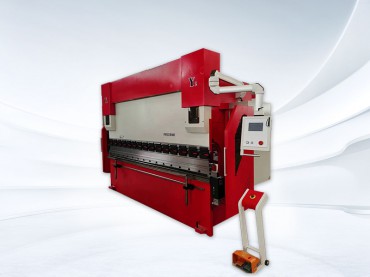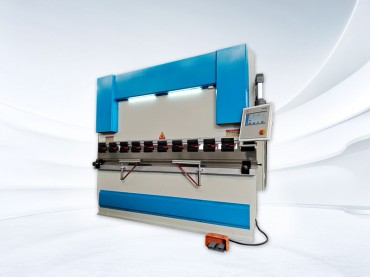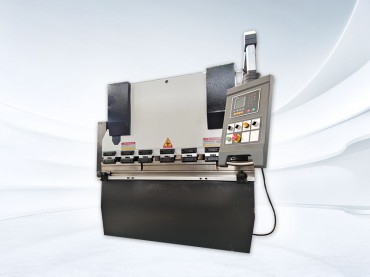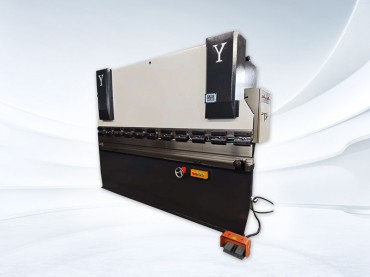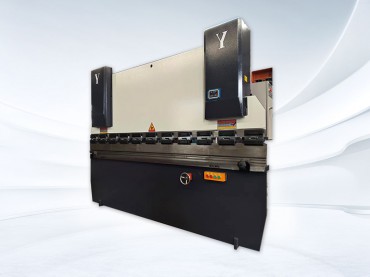
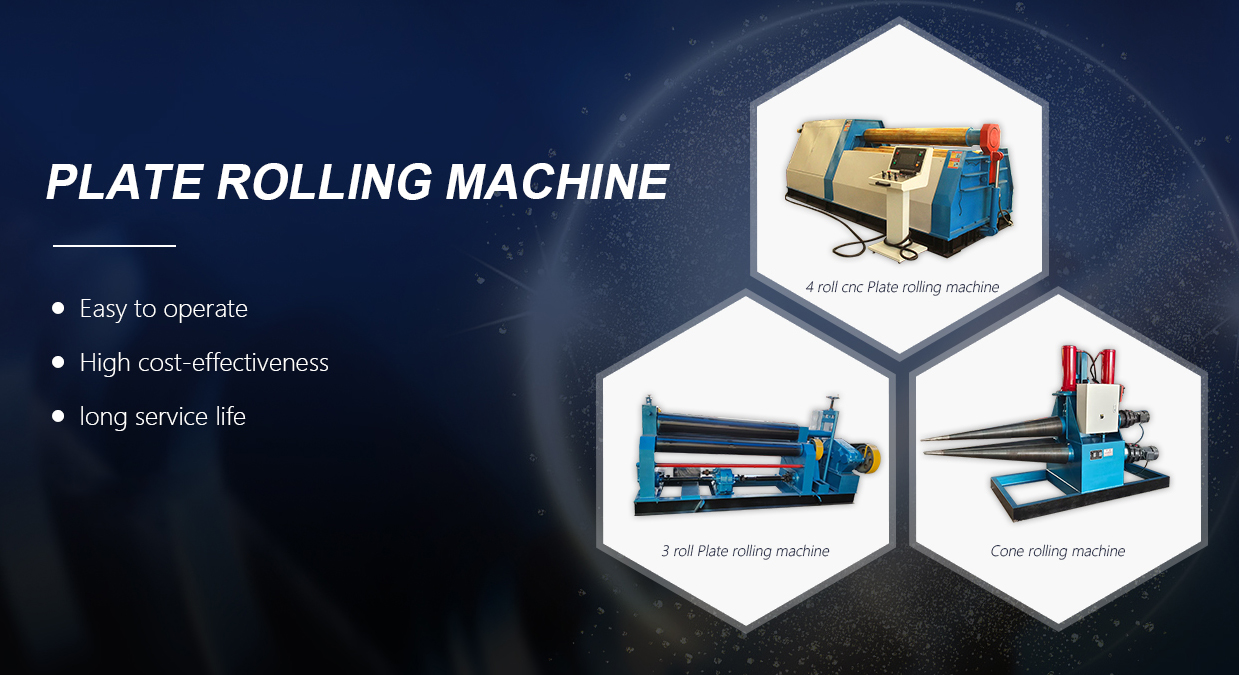
In the metalworking industry, bending machines serve as indispensable equipment, and their selection process directly impacts production efficiency and cost control. Therefore, how to choose the most suitable bending machine from numerous brands and models is a critical consideration for every enterprise. This article provides a guide to determining bending machine options, helping you effortlessly select the right bending machine, avoid unnecessary cost waste, and maximize production efficiency.
Before making a decision, first clarify the fundamental categories and applicable ranges of bending machines:
Manual Bending Machines: Simple structure, suitable for small-batch, low-precision processing, with low investment costs.
Hydraulic Bending Machines: Powerful drive, capable of bending thicker and longer sheets, widely used in medium to large-scale workpiece production.
CNC Bending Machines: Equipped with intelligent control systems, offering high precision, efficiency, and versatility. Ideal for high-volume production, complex shapes, and demanding accuracy requirements.
Businesses should select models based on their processing scale, product characteristics, and technical needs.
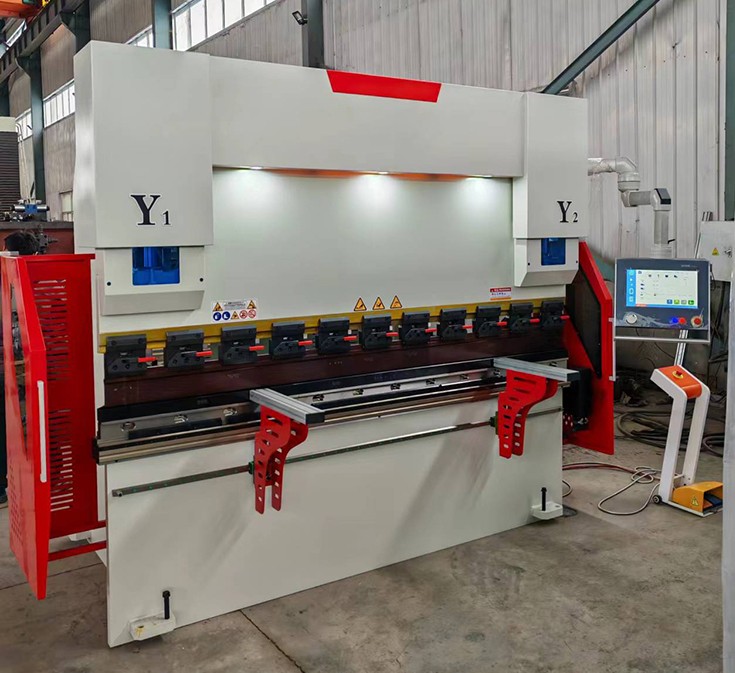
Core parameters define the equipment's application scope. Key factors include:
Bending Length: Determines the maximum sheet size that can be processed.
Bending Thickness: Determines the required press tonnage, which must match the raw material thickness.
Bending Angle Accuracy: Impacts finished product quality and consistency.
Table Depth and Opening Height: Affects die selection and the ability to process complex workpieces.
When selecting a model, it is essential to align with the company's actual production needs to avoid limitations due to insufficient parameters or excessive configuration leading to cost wastage.
With technological advancement, bending machines feature increasingly sophisticated control systems and intelligence levels. Modern bending machines typically incorporate advanced CNC systems enabling high-precision, high-efficiency processing. When selecting equipment, focus on factors such as control system type, programming methods, and automation level to better meet production requirements.
After determining the machine type and parameters, users should further compare different brands and models:
Performance and Stability: Whether the equipment can operate stably for extended periods.
Price and Cost-Effectiveness: Whether it offers optimal performance within the budget.
After-Sales Support and Service: Whether it features a responsive after-sales system and spare parts supply capability.
Reputation and Case Studies: Industry application feedback and customer case studies serve as valuable references.
Finally, when choosing a bending machine, comprehensive consideration of both budget and actual needs is essential. Users should select the bending machine offering the highest value for money within their budget range. Simultaneously, ensure the chosen bending machine meets current and future production demands to avoid unnecessary cost waste from frequent equipment replacement.
(1) Operators must wear safety gear including hard hats, safety goggles, gloves, and earplugs;
(2) Do not touch cutting tools or emergency stop devices to prevent accidents;
(3) Strictly follow operating procedures; do not adjust critical parameters without authorization;
(4) When changing dies or cleaning equipment, disconnect power first and confirm machine is completely stationary before proceeding;
(5) Conduct regular maintenance, including hydraulic system inspections, electrical component checks, and lubrication, to extend equipment lifespan.
In summary, selecting an appropriate bending machine requires comprehensive consideration of multiple factors: type, specifications, control system, brand service, budget, and safe operation. Only through thorough understanding of your production needs and future development direction, coupled with scientific planning and rational selection, can you maximize production efficiency, minimize costs, and further enhance product quality and market competitiveness.
A bending machine is not merely a piece of equipment but a vital pillar of a company's productivity. Correct selection and standardized operation lay a solid foundation for sustainable business growth.
If you are interested in bending machines, please contact us. We will recommend suitable machines and provide quotations.
 Address:Room 1202, Detaitang Building, No. 118 Huaguang Road, Zhangdian District, Zibo, Shandong
 WhatsApp:+8615653328535
 Wechat: +8615965331535
  E-mail:zs@sdsmachinery.com