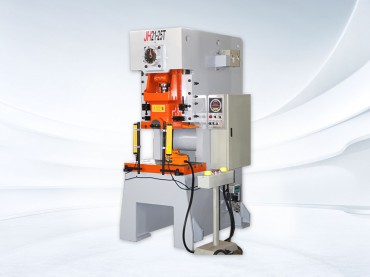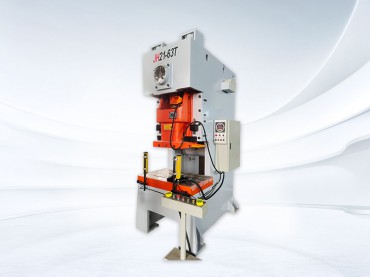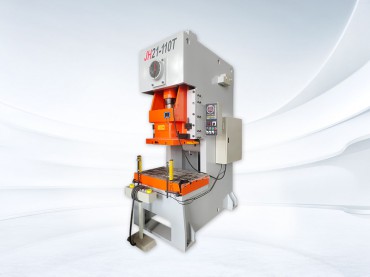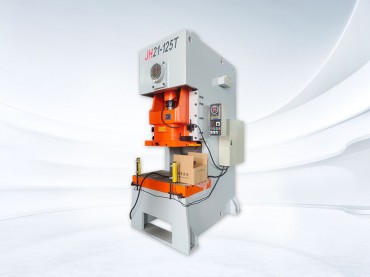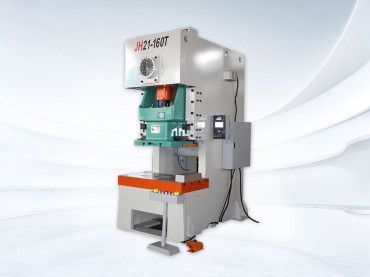
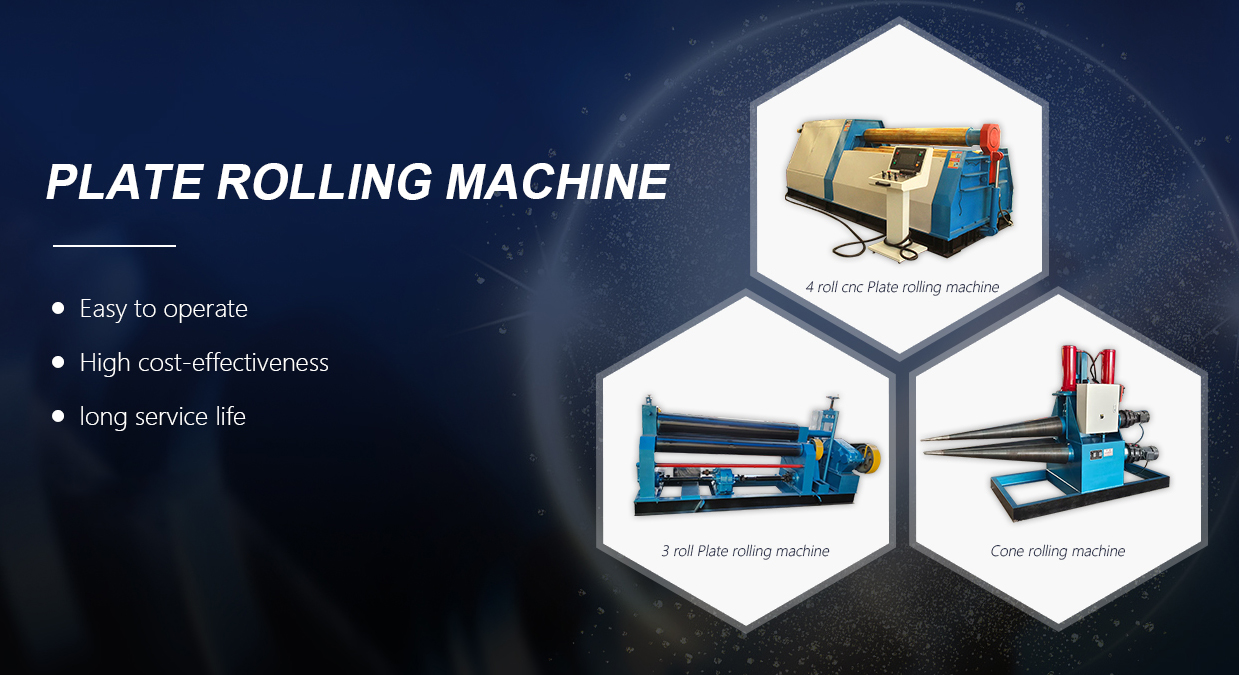
In the modern metalworking sector, the punching machine represents a highly prevalent category of press machinery. By applying substantial pressure, it induces plastic deformation in sheet metal to achieve the desired shape and precision. The manufacture of products such as automotive bodies, household appliance casings, and architectural hardware all relies on punch presses. So, what types of punch presses exist? What are their respective characteristics and differences in application? This article provides a comprehensive analysis.
The core function of a punching machine lies in efficiently converting the circular motion of an electric motor into the linear motion of a ram. Its primary transmission path operates as follows: the main motor drives the flywheel to rotate. Through the coordinated action of components such as the clutch, gears, crankshaft (or eccentric gear), and connecting rod, the ram is ultimately propelled to perform vertical linear movement. Within this process, the transition point between the connecting rod and the ram is critical. Typically employing spherical or pin-type structures, it ensures a smooth transition between circular and linear motion.
During processing, material is positioned between upper and lower dies. The downward movement of the ram applies pressure, causing plastic deformation of the metal. The resulting reaction force is absorbed by the press body itself, thereby ensuring processing stability and safety.
Punching Machines vary widely and can be broadly categorised into four types based on power source and control method:
Mechanical punching machine represent the most traditional and prevalent type. They operate via mechanical transmission systems and feature relatively simple construction.
Characteristics:
- Lower cost, suitable for investment by small and medium-sized enterprises;
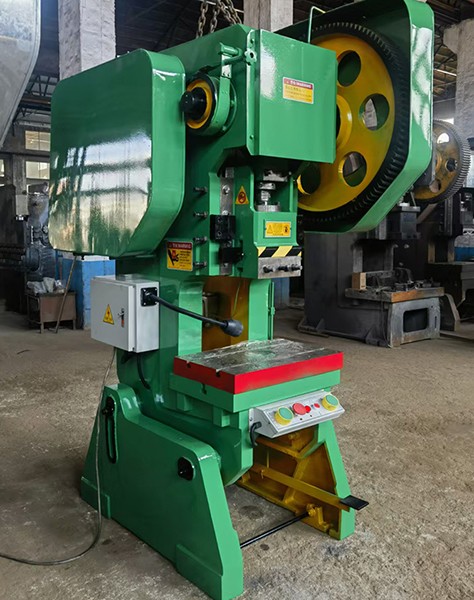
- Simple operation and convenient maintenance;
- Suitable for small to medium batch production, though limited adaptability for complex processes.
Applications: Frequently employed in sheet metal fabrication, small hardware stamping, and everyday goods manufacturing.
Hydraulic punching machines utilise hydraulic trans
mission systems, driving the ram via hydraulic fluid pressure.
Characteristics:
- High impact force, suitable for processing high-strength materials;
- High machining precision, capable of complex forming operations;
- Relatively low noise levels and smoother operation.
Applications: Widely employed in automotive components, large sheet metal forming, and batch production of appliance casings and structural parts.
Pneumatic presses utilise compressed air as the power source to drive the ram.
Characteristics:
- Rapid processing speed, suitable for high-speed production of small to medium batches;
- High precision, suitable for forming thin sheet metal;
- Low energy consumption and excellent operational safety.
Applications: Extensively employed for stamping electronic components, small hardware fittings, and lightweight thin metal sheets.
Integrating computer control technology, CNC punching machines represent the pinnacle of current press machinery.
Characteristics:
-High automation enables continuous, intelligent production;
-Exceptional machining precision with repeat positioning accuracy down to 0.01mm;
-Capable of integrated multi-process operations including punching, drawing, and forming.
Applications: Extensively employed in automotive, aerospace, home appliances, electronics, and other industries demanding extreme precision and efficiency.
Safety must be the foremost consideration when operating punch machines. Operators should be professionally trained and thoroughly familiar with the equipment's performance and operating procedures. Prior to operation, all components—including the clutch, brake, and safety guards—must be inspected for proper functioning. During processing, hands or any other body parts must never be brought near the die area to prevent accidents. Regular maintenance must be performed to ensure the equipment remains in good working order. Electrical and hydraulic systems require inspection and repair by qualified personnel.
To extend the service life of punch machines and ensure machining precision, regular maintenance is essential. Routine maintenance includes cleaning the equipment surface, checking lubricant levels, and tightening loose components. Monthly detailed inspections of critical components such as crankshafts, guide rails, and dies must be conducted to verify absence of wear or deformation. Annual comprehensive maintenance should include replacing worn parts and calibrating pressure parameters. Effective maintenance not only reduces failure rates but also enhances production efficiency and product quality.
With advancements in manufacturing technology, punching machine equipment undergoes continuous upgrades. Automation represents the prevailing trend, with many presses now incorporating automatic feeding systems and robotic arms to enable continuous production. The application of intelligent technology enables presses to monitor processing status in real time and automatically adjust parameters to enhance precision. Energy efficiency and environmental protection have also become key priorities, with new presses incorporating high-efficiency motors and energy-saving designs to reduce consumption. In the future, presses will increasingly focus on integration with digital technologies, unlocking further possibilities for the manufacturing sector.
Should you be interested in presses, please contact us. We shall recommend suitable machinery and provide quotations.
 Address:Room 1202, Detaitang Building, No. 118 Huaguang Road, Zhangdian District, Zibo, Shandong
 WhatsApp:+8615653328535
 Wechat: +8615965331535
  E-mail:zs@sdsmachinery.com