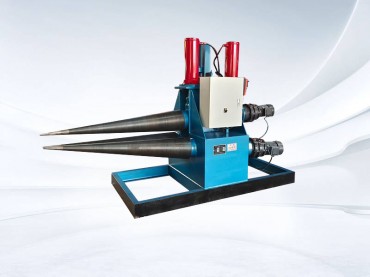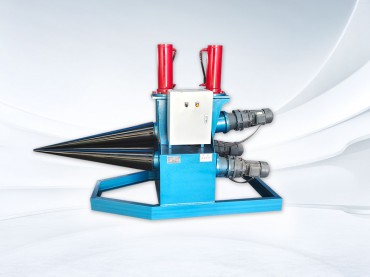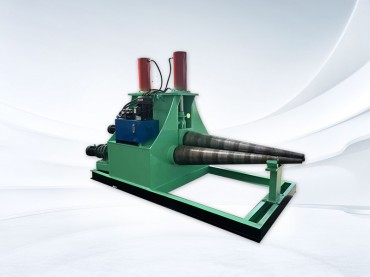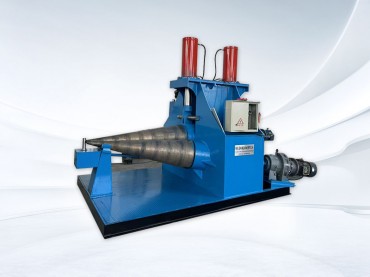
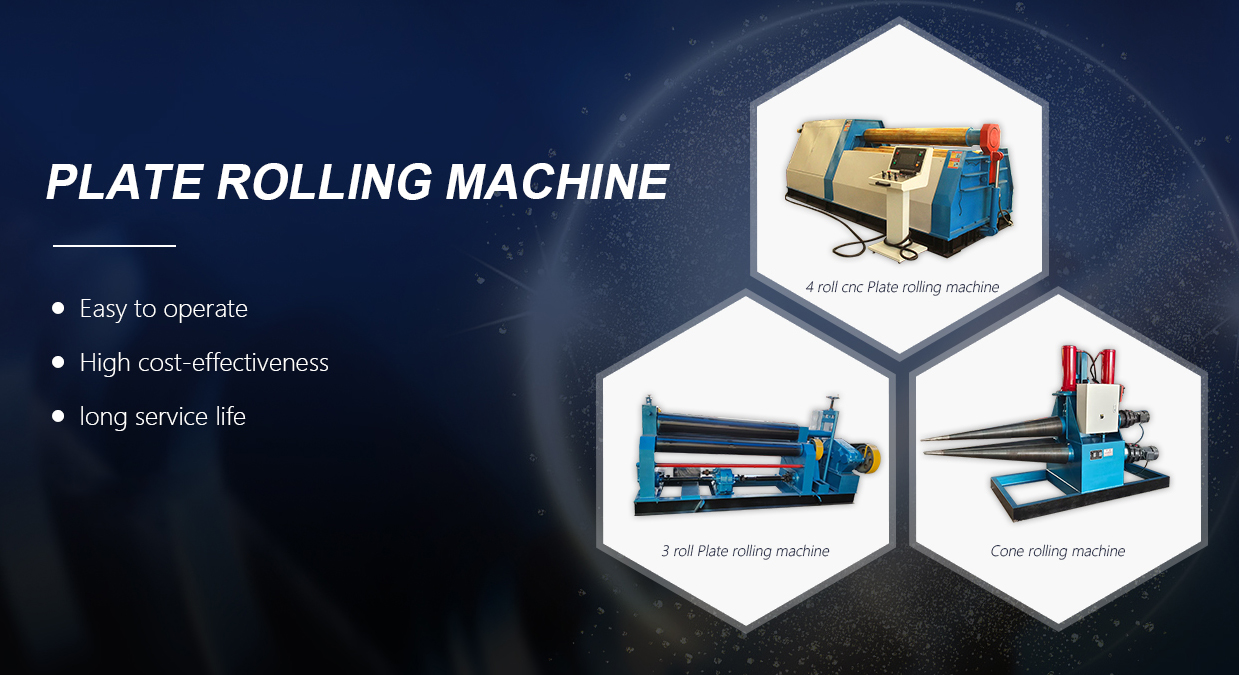
As a core equipment used in the field of metal processing to manufacture conical parts, the cone rolling machine is widely used in industries such as pipeline engineering, pressure vessels, aerospace, etc. due to its high efficiency, precision, and flexibility. The following elaborates on the significant advantages of cone rolling machines from five dimensions: processing efficiency, forming accuracy, applicability, operational safety, and maintenance costs.
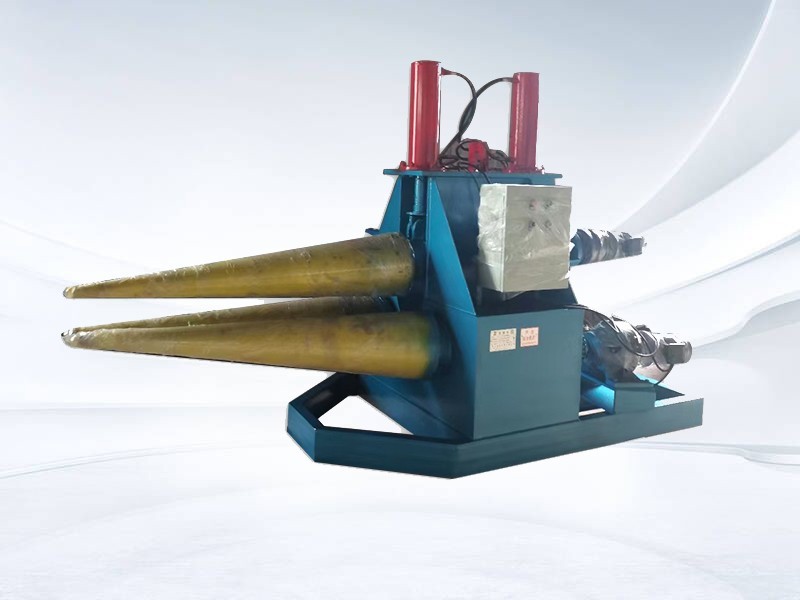
The traditional manufacturing of conical parts requires multiple processes, such as cutting circular plates first, gradually tapping them into shape by hand or using simple tools, and finally trimming them. This process is not only time-consuming (single piece processing takes several hours), but also relies on worker experience, making it difficult to ensure the efficiency of mass production. The cone rolling machine adopts the "one-step forming" technology, which uses the rotation and axial movement of the upper and lower rollers to continuously roll the metal sheet into a cone shape under pressure, and the entire process only takes a few minutes. For example, in pipeline engineering, the cone rolling machine can quickly complete the processing of conical transition sections with different diameters, increasing daily production capacity by 3-5 times compared to traditional processes and significantly shortening production cycles.
The accuracy of conical parts directly affects their assembly performance and safety of use. Traditional craftsmanship, due to manual operation or insufficient rigidity of equipment, is prone to problems such as taper deviation and uneven wall thickness (errors are usually above ± 1mm). The cone rolling machine can monitor and adjust parameters such as roller pressure and rolling speed in real time through a CNC system and high-precision sensors, achieving precise control of key indicators such as taper, roundness, and wall thickness. For example, in the manufacturing of pressure vessels, the taper error of the conical head processed by the cone rolling machine can be controlled within ± 0.2mm, and the wall thickness uniformity is better than 98%, meeting the requirements of international standards such as ASME for the sealing of high-pressure vessels.
The cone rolling machine has a wide adaptability to materials and can process various metal plates such as carbon steel, stainless steel, aluminum alloy, copper alloy, etc., with a thickness range covering 0.5mm-50mm. For example, in the aerospace field, cone rolling machines can be used to process titanium alloy conical components, and their high strength and corrosion resistance meet the dual requirements of lightweight and reliability for aircraft; In the construction industry, the cone rolling machine can roll large-diameter steel cone ventilation pipes to meet the installation requirements in complex environments. In addition, some high-end cone rolling machines also support the rolling of non-metallic materials (such as composite materials), further expanding their application scenarios.
Traditional conical parts processing requires workers to operate equipment at close range, which poses safety hazards such as mechanical clamping and material cracking. The cone rolling machine significantly reduces operational risks by integrating safety protection devices and intelligent control systems. For example, the equipment is equipped with photoelectric sensing devices, which will automatically stop running when a human or foreign object is detected entering the dangerous area; The CNC interface supports remote operation, and workers can input parameters outside the control cabinet to avoid direct contact with high-speed rotating rollers. Some companies have also introduced AR technology, which guides workers to complete equipment debugging and troubleshooting through virtual projection, further enhancing operational safety.
 Address:Room 1202, Detaitang Building, No. 118 Huaguang Road, Zhangdian District, Zibo, Shandong
 WhatsApp:+8615653328535
 Wechat: +8615965331535
  E-mail:zs@sdsmachinery.com