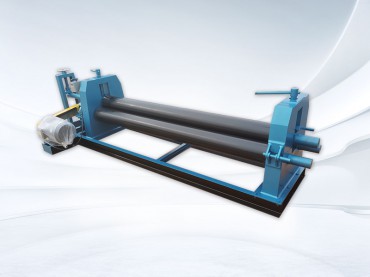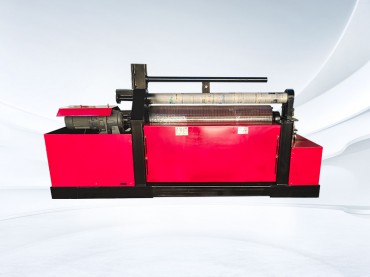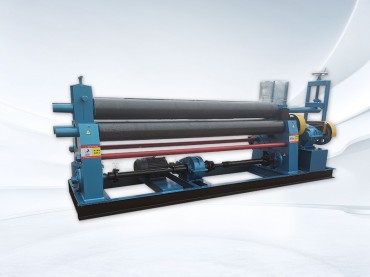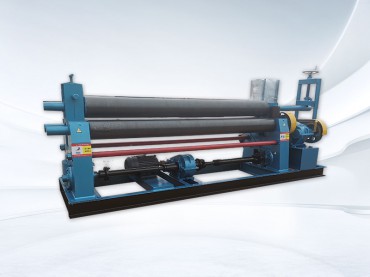
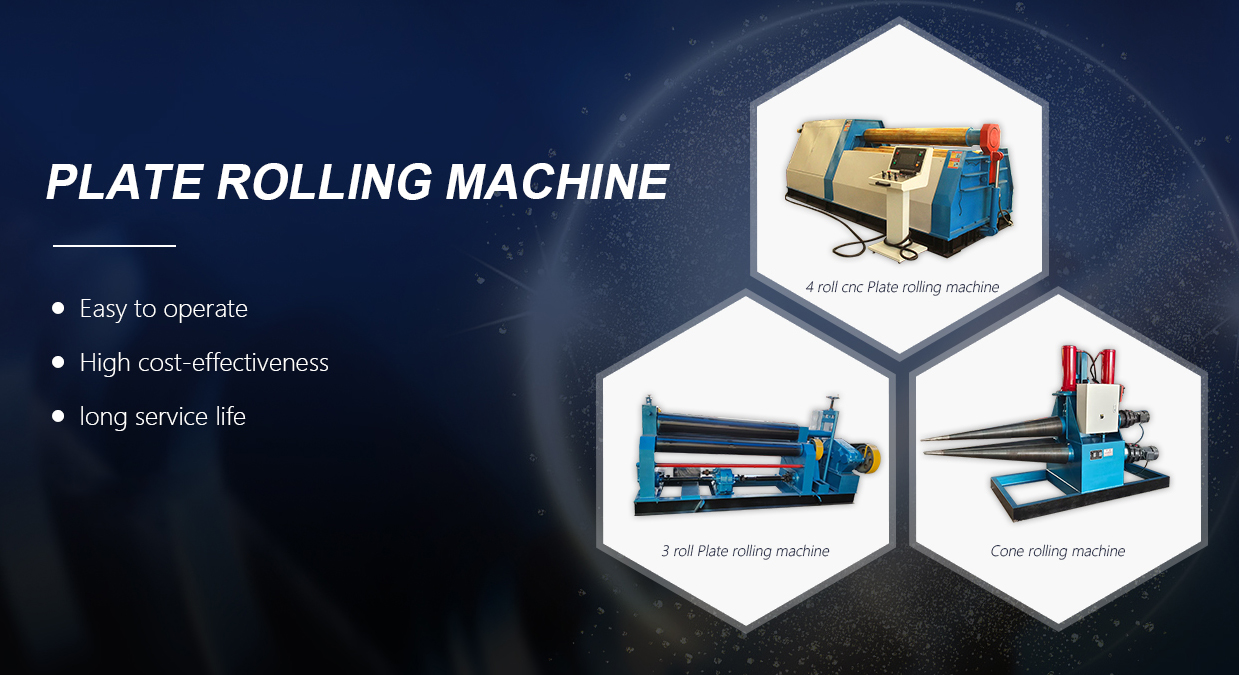
Plate rolling machines, as an important type of metal processing equipment, are primarily used to roll or bend metal sheets to produce various shaped products. The working principle of this machinery involves applying pressure or tension to metal sheets, causing them to deform according to a pre-set shape. As a professional plate rolling machine manufacturer with over a decade of manufacturing and application experience, we will provide you with a comprehensive overview of the primary applications of plate rolling machines and their value in modern industry.
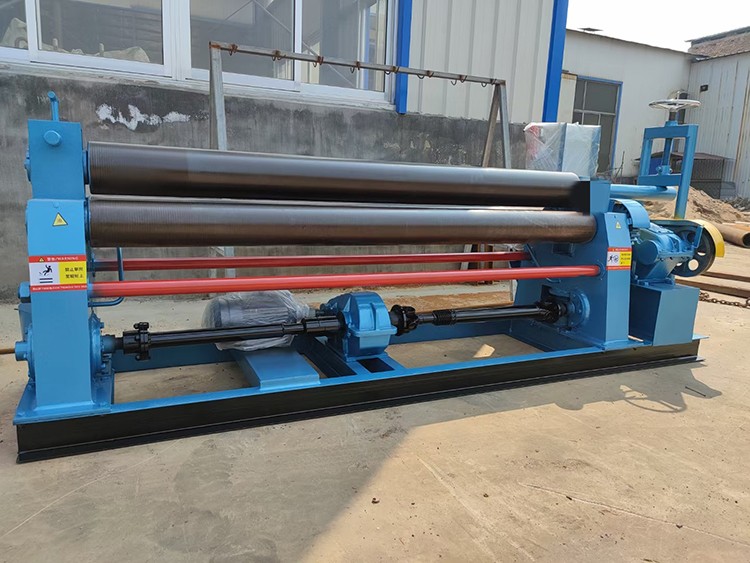
Roll forming machines are widely used in the metal processing industry. They can process metal sheets of various thicknesses and materials, such as steel plates and aluminium plates. Their main applications include, but are not limited to, the following:
(1) Manufacturing cylindrical containers and pipes: Roll forming machines can roll flat materials into cylindrical shapes, which is an important step in manufacturing many industrial equipment, such as large storage tanks and reactors.
(2) Manufacturing curved structures: In industries such as construction, shipbuilding, and automobile manufacturing, numerous curved metal structures are required. Roll forming machines can precisely control the bending angle and radius of metal sheets to meet the demands of these complex structures.
(3) Applications in the construction industry: In the construction industry, plate rolling machines are used to produce various arched steel structural components. These components are used in the construction and maintenance of bridges, highway guardrails, and support structures for large buildings.
(4) Applications in shipbuilding: In shipyards, plate rolling machines play a crucial role. They can bend steel plates of various specifications to produce ship components and structural frames that meet design requirements.
Additionally, they are also used in other industries, such as the production of petrochemical pipelines.
Forming circular shapes is one of the most common applications of plate rolling machines. First, ensure that the upper and lower rolls are in a parallel position. Ensure that the gap between the upper and lower rolls is greater than the plate thickness. Then insert one end of the plate material, aligning the plate's end face parallel to the roll's centreline. At this point, manually lower the two lead screws by a certain amount, then activate the motor switch (must start in forward direction). The plate material will begin to deform. Repeat the adjustment and rolling process multiple times until the desired curvature radius is achieved.
The primary functions of this operation are as follows:
(1) Customised shape production: Rolling into a circular shape can meet the requirements of certain industrial products with specific shapes, such as pipes and cylinders, thereby enabling customised production.
(2) Optimised material usage: Through rolling operations, metal sheets can be utilised more efficiently, reducing material waste and improving production efficiency.
(3) Simplified production process: Compared to traditional welding or assembly methods, using a plate rolling machine to roll into a circular shape significantly reduces production steps and lowers production costs.
Improved manufacturing efficiency: The high-efficiency processing capabilities of plate rolling machines significantly reduce workpiece production time.
Product precision assurance: Modern plate rolling machines are equipped with CNC systems that can precisely control rolling parameters to ensure dimensional consistency.
Expanded application areas: In addition to traditional mechanical manufacturing and construction industries, plate rolling machines are increasingly being applied in high-end manufacturing fields such as new energy, environmental protection equipment, and aerospace.
In summary, plate rolling machines play an irreplaceable role in the metal processing industry, particularly in their application for rolling into circular shapes, providing a convenient and efficient method for manufacturing various industrial products. As technology advances, the functions and application areas of plate rolling machines continue to expand, and they will demonstrate their significant value in more fields in the future.
If you are interested in plate rolling machines, please contact us, and we will recommend suitable machines and provide quotes.
 Address:Room 1202, Detaitang Building, No. 118 Huaguang Road, Zhangdian District, Zibo, Shandong
 WhatsApp:+8615653328535
 Wechat: +8615965331535
  E-mail:zs@sdsmachinery.com