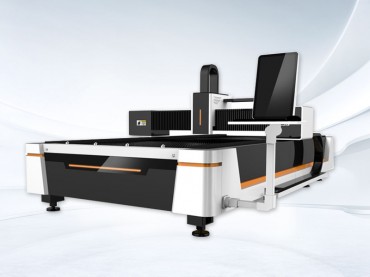
In today's era of booming manufacturing, laser cutting machines are like a shining star, shining brightly in many processing fields with their efficient, precise, and flexible cutting advantages. From fine cutting of metal sheets to creative processing of non-metallic materials, laser cutting machines seem to be omnipotent, filling people with infinite imagination about their abilities. However, a question arises: Can laser cutting machines really cut anything? What unknown limitations and mysteries are hidden behind this?
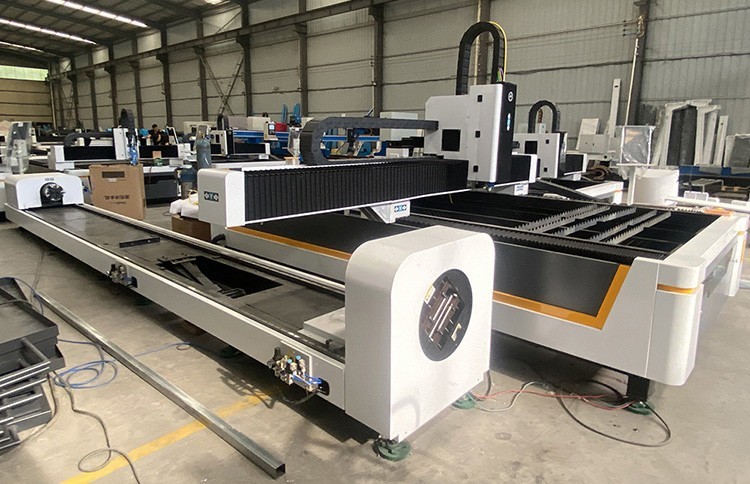
1. Material characteristics
(1)Reflective materials: Metals such as copper and aluminum have high reflectivity and can reflect most of the laser energy back, making cutting difficult. For example, when ordinary fiber laser cutting machines cut thick copper plates, due to the high reflectivity of copper to the laser, the laser energy is difficult to be effectively absorbed, and problems such as incomplete cutting and rough cutting surfaces are prone to occur during the cutting process. However, there are also some special laser cutting techniques and equipment for this type of material, such as using high-power, short wavelength lasers, or adjusting cutting process parameters, which can achieve cutting to a certain extent.
High melting point materials, such as tungsten, molybdenum, and other metals, have a very high melting point and require extremely high laser energy to melt and achieve cutting. The power of a typical laser cutting machine may not meet the requirements for cutting these high melting point materials. Taking tungsten as an example, its melting point is about 3410 ℃. To cut thick tungsten plates, ultra-high power lasers are required, and precise control of laser parameters and auxiliary gases is also necessary during the cutting process, otherwise it is difficult to ensure cutting quality.
(2)Special materials in non-metallic materials: Some non-metallic materials with special properties, such as those containing reinforcing components such as asbestos and glass fiber, may produce harmful gases and dust during laser cutting, or cause damage to the optical components of laser cutting machines. For example, when cutting materials containing asbestos, asbestos fiber dust is generated, which is harmful to human health and the environment. At the same time, these dust particles may also adhere to the lenses of the laser cutting machine, affecting the transmission and focusing of the laser and reducing cutting accuracy.
2. Material thickness
Each type of laser cutting machine has its applicable material thickness range. Taking common fiber laser cutting machines as an example, for carbon steel plates, they can generally cut plates with a thickness of 0.5-25mm. When the thickness of the plate exceeds this range, the cutting quality will decrease, and problems such as incomplete cutting, large cutting section inclination, and high surface roughness may occur. For stainless steel plates, the cutting thickness range is usually around 0.5-20mm. If the material is too thick, the laser energy cannot fully penetrate the material, resulting in cutting failure.
3. Laser type and power
(1)Applicability of different types of lasers: Common laser types include fiber lasers, CO ₂ lasers, YAG lasers, etc., each with its own characteristics and suitable materials. Fiber laser cutting machine has good cutting effect on metal materials, especially carbon steel, stainless steel, etc., with fast cutting speed and high precision; The CO ₂ laser cutting machine is more suitable for cutting non-metallic materials such as wood, acrylic, fabric, etc., but its cutting efficiency for metallic materials is relatively low; YAG laser cutting machine has relatively low power and is mainly used in situations where cutting accuracy is not high and material thickness is thin.
(2)Power limitation: The power of a laser cutting machine directly determines its cutting ability. Low power laser cutting machines can only cut thinner materials, while high-power laser cutting machines can cut thicker materials. For example, a fiber laser cutting machine with a power of 1000W can cut carbon steel plates of about 10mm, while a similar laser cutting machine with a power of 5000W can cut carbon steel plates of about 25mm.
4. Cutting accuracy requirements
For some materials and parts that require extremely high cutting accuracy, such as precision electronic components, aerospace parts, etc., even if laser cutting machines can cut the material, they may not be able to meet the accuracy requirements. During the laser cutting process, it may be affected by factors such as heat affected zones and material deformation, resulting in cutting size deviations, poor edge quality, and other issues. For example, when cutting precision stainless steel sheets with a thickness of 0.1mm, it is required that the verticality and roughness of the cutting edge meet very high standards, which may be difficult to achieve with general laser cutting machines and require the use of higher precision laser cutting equipment and processes.
With the continuous advancement and innovation of laser technology, the performance and application scope of laser cutting machines are also constantly expanding. In the future, we have reason to expect the emergence of more advanced and efficient laser cutting machines that can overcome some of the current limitations and achieve high-quality cutting of more types and thicker materials. At the same time, the integration of laser cutting machines with other advanced manufacturing technologies will also become a development trend, bringing more innovation and breakthroughs to the manufacturing industry, and promoting the entire industry to move towards a higher level.

 Address:Room 1202, Detaitang Building, No. 118 Huaguang Road, Zhangdian District, Zibo, Shandong
 WhatsApp:+8615653328535
 Wechat: +8615965331535
  E-mail:zs@sdsmachinery.com