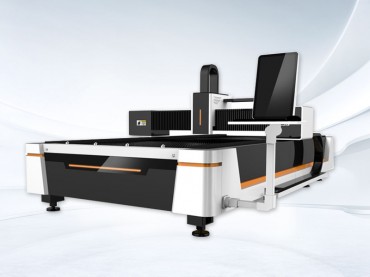
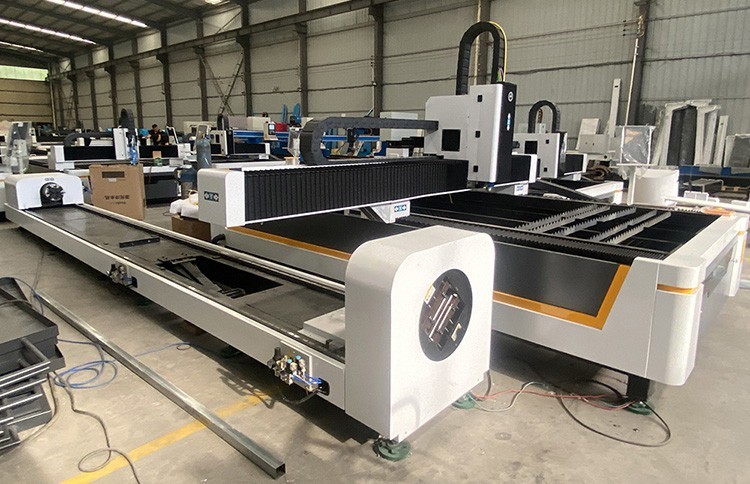
With the rapid development of laser technology, the application of plate laser cutting machines in the field of metal processing is becoming increasingly widespread. Cutting thickness, as one of the important indicators to measure the performance of laser cutting machines, has always been a concern in the industry. In recent years, with the continuous innovation and upgrading of laser cutting technology, the cutting thickness range of plate laser cutting machines has also been continuously expanded, bringing more possibilities to the manufacturing industry. So, what is the cutting thickness that can be achieved by a plate laser cutting machine?
1. Cutting thickness of different power laser cutting machines
1. Small and medium-sized laser cutting machines: Generally, small and medium-sized plate laser cutting machines are mainly used for cutting and processing metal plates, but their cutting ability is limited. This type of laser cutting machine can usually only cut metal plates with a thickness less than 10mm (except for those with a density greater than 0.635).
2.500W to 6000W fiber laser cutting machine: With the increase of power, the cutting thickness of the fiber laser cutting machine gradually increases. For example, a 500W fiber laser cutting machine can cut carbon steel with a maximum thickness of 6mm and stainless steel with a maximum thickness of 3mm; while a 6000W fiber laser cutting machine can cut stainless steel with a maximum thickness of 20mm, the quality of the cutting surface above 12mm is difficult to guarantee.
3. Wanhua level laser cutting machine: Wanhua level laser cutting machines have stronger cutting capabilities. For example, a 10000 watt plate laser cutting machine can cut aluminum alloy plates with a thickness of 40mm and stainless steel plates with a thickness of 50mm; a 20000 watt laser cutting machine can cut carbon steel with a maximum thickness of 50mm using oxygen gas positive focus cutting, and even achieve extreme cutting of 80mm~90mm (but extreme cutting is not recommended).
2. Cutting thickness of laser cutting machines for different materials
1. Carbon steel: The cutting thickness of carbon steel is affected by the power of the plate laser cutting machine and the cutting gas. Generally speaking, as the power increases, the cutting thickness also increases accordingly. At the same time, when using oxygen as the cutting gas, due to its combustion assisting effect, the cutting thickness can be increased.
2. Stainless steel: The cutting difficulty of stainless steel is relatively high, requiring higher power plate laser cutting machines to achieve thicker cutting. In addition, the cutting quality of stainless steel is also affected by the cutting gas and cutting speed.
3. Aluminum plate: Aluminum plate is a highly reactive material with low laser absorption, making it difficult to cut. Generally speaking, the cutting thickness of aluminum plates is relatively thin and requires the use of appropriate cutting gases and cutting parameters to achieve good cutting quality.
3. Other influencing factors
In addition to the power and material type of the plate laser cutting machine, the cutting thickness is also affected by various factors such as the quality of the cutting machine, laser type, cutting environment, cutting speed, and auxiliary gas. Therefore, in practical applications, it is necessary to choose the appropriate laser cutting machine and cutting parameters according to the specific situation to achieve the best cutting effect.
In summary, the cutting thickness of a plate laser cutting machine is a complex issue that requires consideration of the combined effects of multiple factors. When choosing a laser cutting machine, the appropriate laser cutting machine and cutting parameters should be selected based on specific cutting needs and material types.

 Address:Room 1202, Detaitang Building, No. 118 Huaguang Road, Zhangdian District, Zibo, Shandong
 WhatsApp:+8615653328535
 Wechat: +8615965331535
  E-mail:zs@sdsmachinery.com