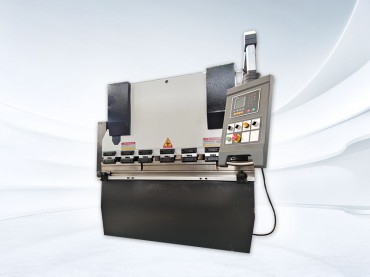
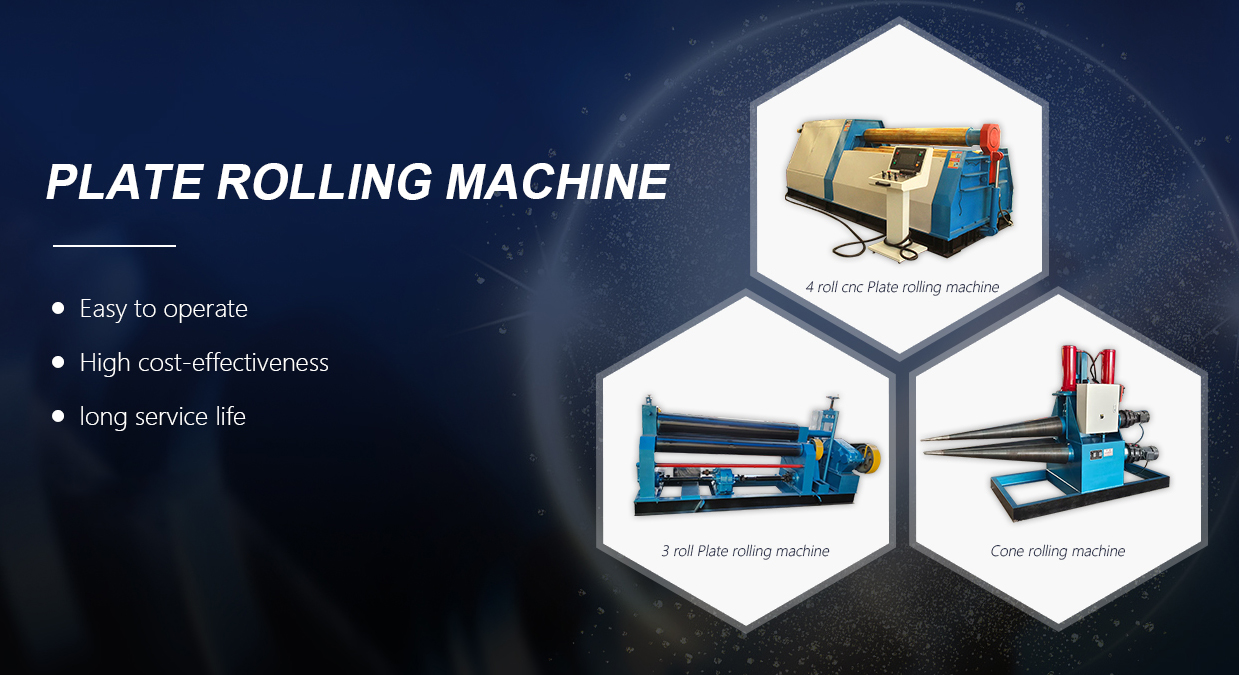
After more than 10 years of experience in the industry, we are well-known as a professional bending machine manufacturer. Today, we would like to introduce the application of bending machines in shaping car body lines.
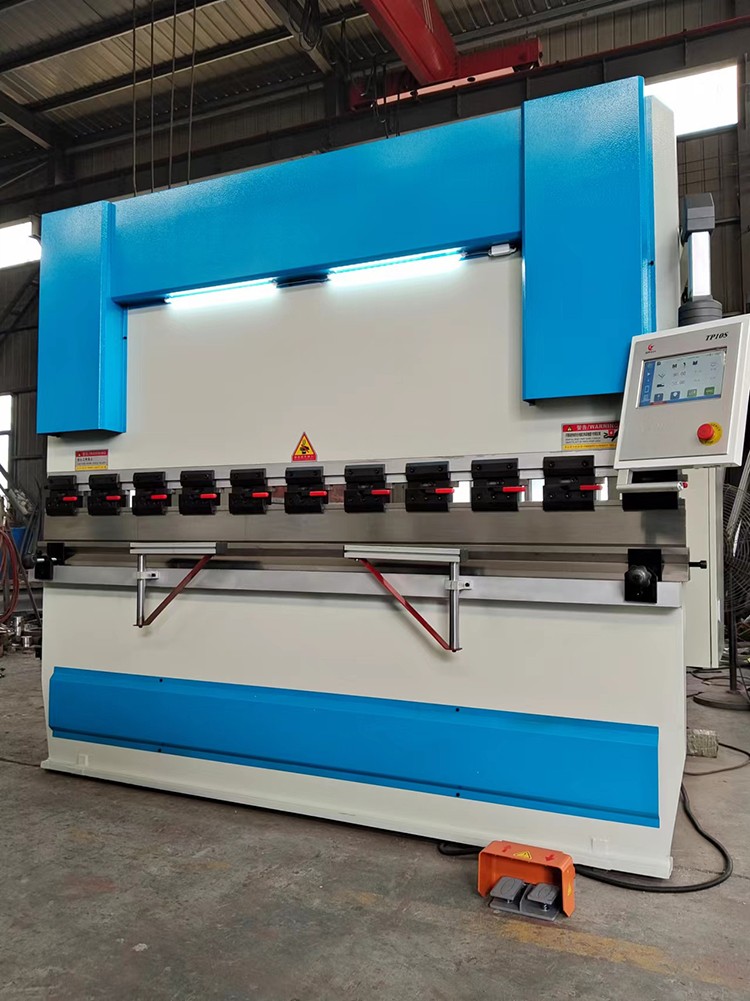
In today's society, automotive body design strives for smooth curves and sharp edges, and the realization of these features largely depends on the precision processing capabilities of bending machines. As a key piece of equipment in automotive body sheet metal forming, bending machines precisely control the plastic deformation of metal sheets, transforming flat materials into three-dimensional body components. Mastering the key points of this process is crucial to ensuring the quality of the body's appearance.
1. Types of body lines and process requirements
Automotive body lines are primarily divided into three categories, each corresponding to different bending processes:
Feature lines: Sharp lines such as door waistlines and hood creases that emphasize the three-dimensionality of the body, requiring a bending radius of 0.5–2 mm and an angle tolerance of ±0.3°.
Transition Surfaces: The gradually changing areas where the roof connects to the pillars require multi-step progressive bending, with each deformation step not exceeding 15°.
Functional folds: Structural reinforcement areas such as door trims and trunk seams typically require 90° right-angle folds combined with a pressing process.
These lines not only affect visual appearance, but also aerodynamic performance and assembly accuracy. For example, a deviation of more than 0.5 mm in the front fender crease may result in uneven headlight installation gaps.
2.Equipment configuration and mold selection
To meet the high standards required for body lines, bending machines must have the following characteristics:
High rigidity frame: The integrally cast C-type frame improves deformation resistance by 40% compared to traditional welded structures, ensuring consistent full-stroke accuracy during long-length bending.
Dynamic compensation system: Hydraulic pads at the bottom of the worktable compensate for sheet metal deformation forces in real time, preventing arc deformation in the middle of feature edges.
Special mold set:
Sharp edge bending uses an R0.5mm upper mold and a 30° V-shaped lower mold.
Curved transitions use an upper mold with a rounded top (R5-R10mm).
The edge wrapping process requires a double bending mold set, first pre-bending at 30° and then pressing to 90°.
The mold surface must be mirror polished (Ra ≤ 0.2 μm) to avoid leaving scratches on the aluminum alloy surface. For high-strength steel materials, it is recommended to use powder metallurgy molds, which can last up to three times longer than ordinary alloy steel.
3. Key points of process control
(1)Material pretreatment
Aluminum alloy plates are T4 tempered to reduce the risk of cracking during bending.
High-strength steel is cut with a laser to ensure that the edges are free of burrs.
Protective film is applied to both sides to prevent surface damage during transportation.
(2)Bending parameter optimization
Slow forming (5 mm/s) is used for feature edges, and the pressure is maintained for 3 seconds to eliminate springback.
The“incremental pressure” mode is selected for surface transitions, gradually increasing from 50% of the rated pressure to 85%.
The edge bending is completed in two steps. First, it is bent to 60° and then released. The second step presses it to 90°.
(3)Online inspection methods
Laser displacement sensors monitor bending angles in real time and dynamically compensate for springback.
Blue light scanners compare the entire dimensions of molded parts and generate deviation chromatograms.
Metallographic inspections are conducted on samples to confirm that there is no abnormal deformation of grains in the bending area.
4.Typical problem solutions
(1)Discontinuous edges: Check the parallelism of the mold installation and adjust the left and right deviation of the rear stopper to no more than 0.05 mm.
(2)Orange peel texture on the surface: Reduce the deformation amount per pass to no more than 12° for 6061 aluminum alloy.
(3)Warping at the ends: Add 10 mm of process allowance to both ends of the sheet and cut it off after forming.
5. New Technology Application Trends
(1)Adaptive bending system: AI algorithms learn from historical data to automatically optimize pressure curves for different materials.
(2)Flexible multi-point mold: An adjustable magnetic array allows a single mold to accommodate a variety of line shapes.
(3)Digital twin verification: The bending process is simulated in a virtual environment to predict material flow trends in advance.
The shaping of car body lines is a perfect combination of artistic design and engineering manufacturing. With the popularization of high-precision sensors and intelligent control systems, bending machines are evolving from simple processing equipment into precision tools for shaping. Operators need to master traditional techniques and continue to learn how to apply digital technology in order to meet the increasingly high quality requirements of automotive design.
If you are interested in bending machines, please contact us.
 Address:Room 1202, Detaitang Building, No. 118 Huaguang Road, Zhangdian District, Zibo, Shandong
 WhatsApp:+8615653328535
 Wechat: +8615965331535
  E-mail:zs@sdsmachinery.com