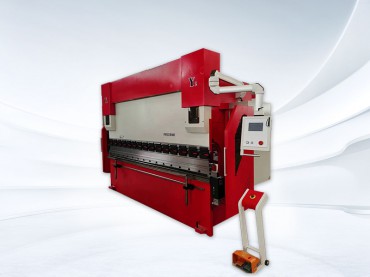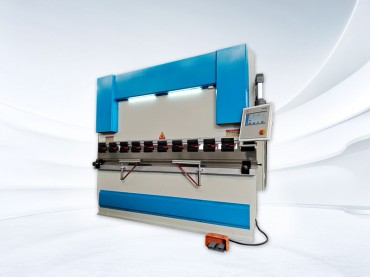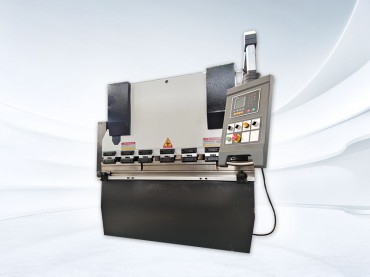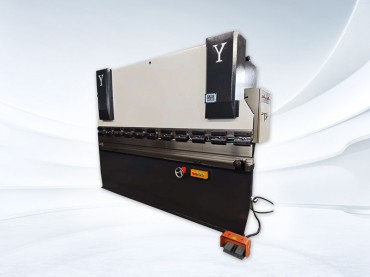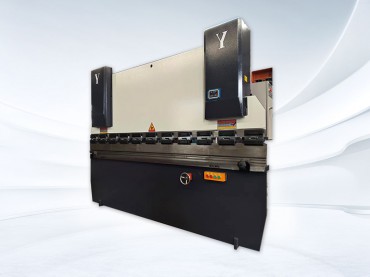
As an indispensable piece of equipment in the metalworking industry, bending machines are widely used in bending, forming, and cutting various metal materials. With the manufacturing sector's increasing demands for high precision and efficiency, the role of bending machine operators has become increasingly crucial. As frontline personnel, bending machine operators are not only the backbone of production lines but also a vital link in ensuring production safety and product quality.
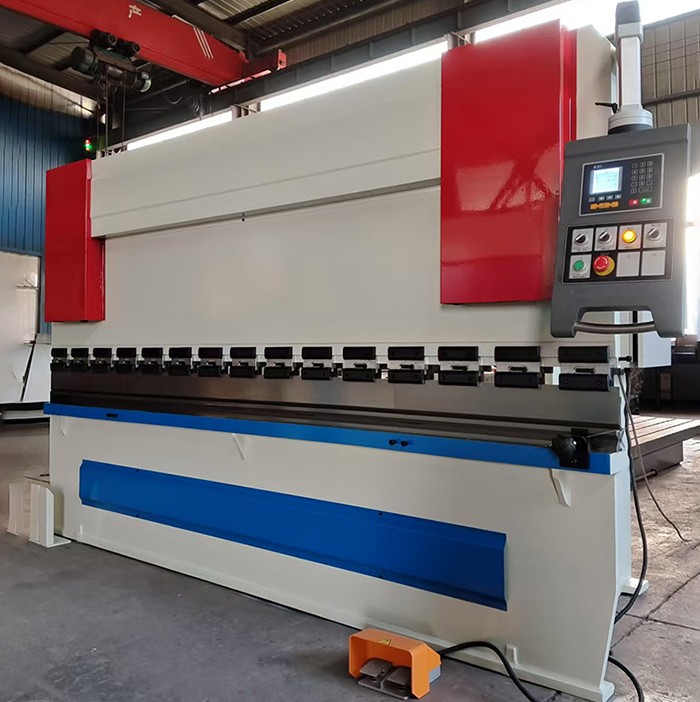
The first task for bending machine operators is to ensure the equipment starts and operates normally. Before commencing operations, operators must inspect the equipment to confirm all components are intact, the lubrication system functions properly, and the electrical system is stable. This includes:
- Inspecting the bending machine's worktable, upper die, lower die, hydraulic system, and other components;
- Verifying the machine control system functions correctly and programs are properly configured;
- Setting appropriate pressure, angle, and bending radius parameters to align with production requirements.
During equipment preparation, operators must also perform necessary debugging to ensure seamless production integration.
Following debugging, the operator's primary task is executing operations to achieve precise bending and forming of products. This process involves:
- Selecting appropriate dies and tools according to production process requirements;
- Setting the bending machine's working parameters, including bending angle, length, speed, and pressure;
- Monitoring every detail during production to ensure no deviations occur during operation, guaranteeing production stability;
- Controlling equipment operation to ensure workpiece precision and surface quality, preventing errors and defects.
Operators must also constantly monitor product quality, making swift adjustments or stopping the machine for inspection upon detecting abnormalities to prevent defective products.
Bending machine operators not only operate equipment but also conduct quality inspections on produced workpieces. Quality control includes the following:
- Inspecting multiple metrics such as dimensions, angles, and surface finish for each batch of products;
- Verifying product dimensions and bending angles using measuring tools like calipers and protractors;
- Verifying compliance with design specifications and identifying defects or flaws;
- Recording production data, analyzing nonconforming items to ensure traceability, and implementing timely corrective actions.
Bending machine operators must possess strong quality awareness and the ability to detect and address potential quality issues during production.
To ensure long-term stable operation of the bending machine, operators are also responsible for daily maintenance and upkeep. Equipment maintenance includes:
- Periodically inspecting the operational status of hydraulic and electrical systems;
- Cleaning the bending machine to ensure workbenches, dies, and equipment surfaces are free of debris;
- Checking dies for wear and promptly replacing damaged components;
- Performing regular lubrication and calibration according to the manufacturer's maintenance manual.
Bending machine operators must also document equipment operational status and maintenance records for subsequent management and tracking.
Operators must strictly adhere to operating procedures to ensure safety during production. Specific responsibilities include:
- Wearing required safety gear during operation, such as safety goggles and gloves;
- Use equipment in accordance with safety protocols to prevent accidents;
- Regularly inspect safety devices such as emergency stop buttons and protective guards;
- Identify issues and perform initial troubleshooting during equipment malfunctions to minimize production disruption.
Operators must also participate in regular safety training to enhance emergency response capabilities and ensure prompt action during critical situations.
As a highly technical position, bending machine operators must possess diverse professional skills and competencies to ensure smooth production processes. Below are core competencies required for bending machine operators:
(1) Equipment Operation Proficiency: bending machine operators must master all operational techniques of the bending machine, independently completing the entire process from equipment commissioning to operational control. This requires extensive knowledge of mechanical principles and practical experience.
(2) Technical Drawing Interpretation: Operators must read and comprehend technical drawings, accurately identifying workpiece specifications, dimensions, and bending requirements to ensure precise execution according to design specifications.
(3) Quality Control and Inspection: Operators must possess quality control knowledge and perform inspections of dimensions, angles, and other parameters to ensure products meet process requirements, adjusting production parameters promptly as needed.
(4) Equipment Troubleshooting: bending machines may encounter malfunctions during production. Operators should possess basic diagnostic and troubleshooting skills to swiftly identify issues and implement appropriate solutions, minimizing production downtime.
(5) Safety Awareness and Emergency Response: Operators must maintain strong safety awareness and emergency response capabilities. They should react promptly and execute correct emergency procedures during unexpected failures or safety incidents to ensure operational safety.
bending machine operators typically work in factory settings characterized by high noise levels, oil contamination, and other pollutants. Operators must wear appropriate protective gear and adhere to facility safety protocols.
Key challenges include:
- Managing high temperatures or coolant: Bending machines generate significant heat during operation. Operators must ensure the cooling system functions properly to prevent equipment overheating.
- Product diversity: Different workpiece types require distinct bending parameters and dies. Operators must quickly adjust machine settings based on product specifications.
- Continuous learning and technical updates: As new technologies emerge, bending machine techniques evolve. Operators must continually acquire new skills to enhance operational efficiency and precision.
Bending machine operators play a critical role in the production process. Through precise operation and quality control, they ensure product compliance rates and production efficiency, thereby contributing to the company's competitiveness and customer satisfaction.
 Address:Room 1202, Detaitang Building, No. 118 Huaguang Road, Zhangdian District, Zibo, Shandong
 WhatsApp:+8615653328535
 Wechat: +8615965331535
  E-mail:zs@sdsmachinery.com