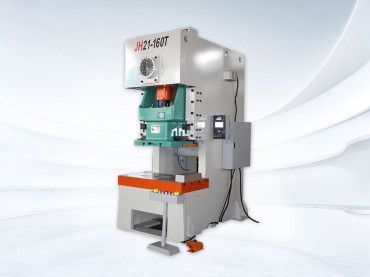
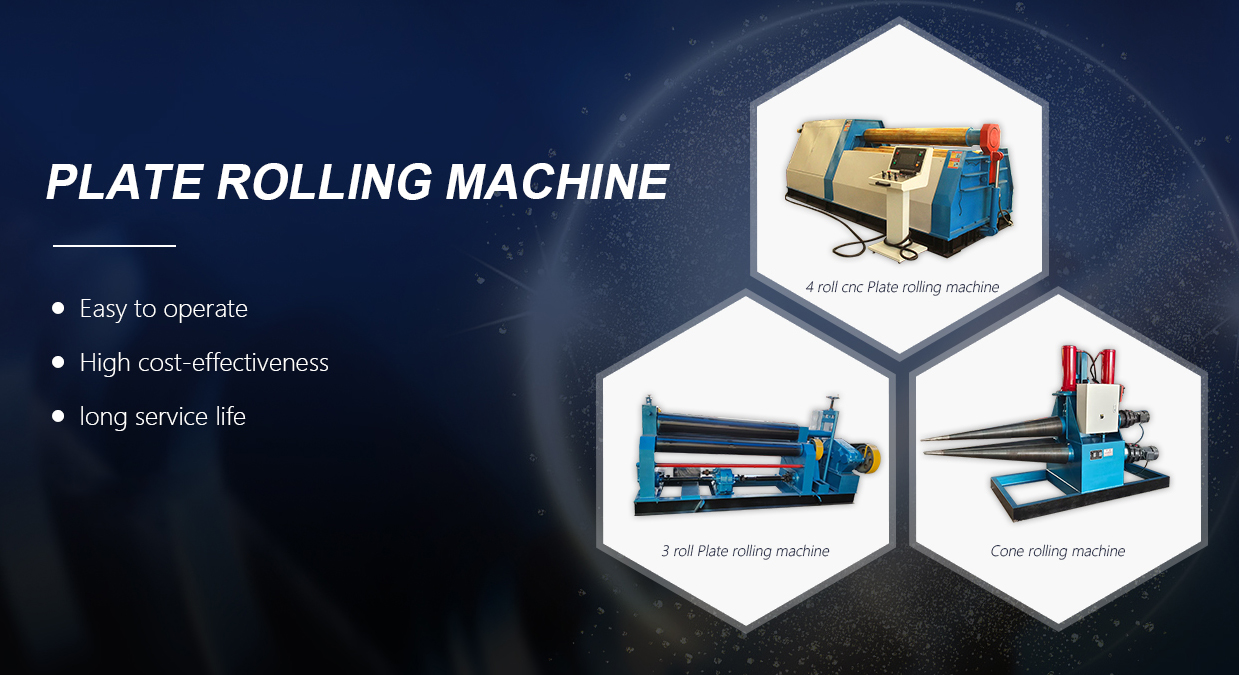
With the continuous advancement of automation and precision in modern manufacturing, stamping equipment has become increasingly vital in the field of metal processing. As a key branch of stamping machinery, pneumatic punching machines are gradually replacing traditional mechanical punching machines in small-to-medium-sized metal forming and blanking operations due to their flexible operation, safety, reliability, and low energy consumption. This article introduces the working principle of pneumatic punching machines and their typical applications across various industries.
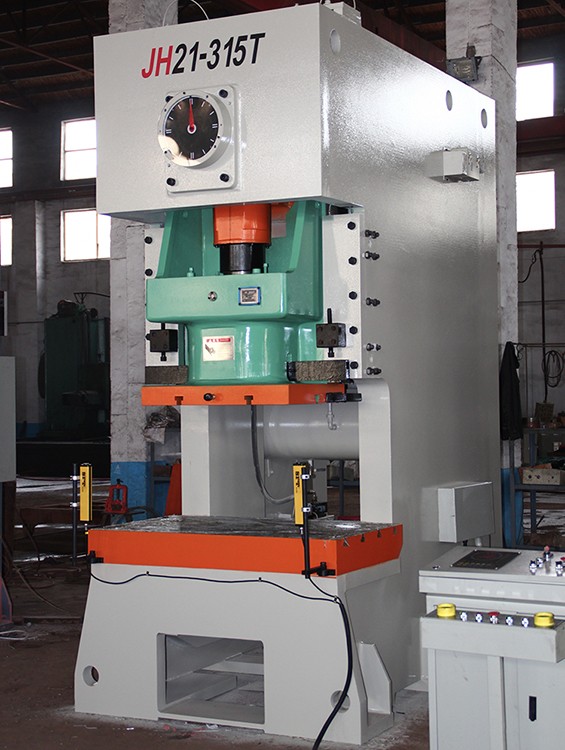
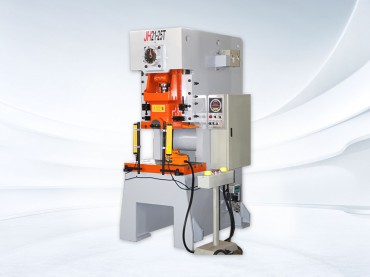
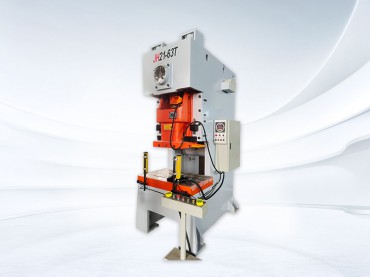
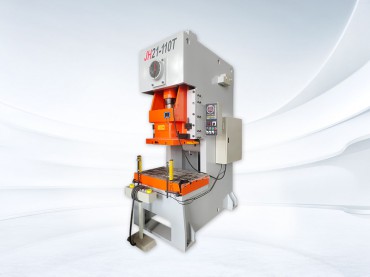
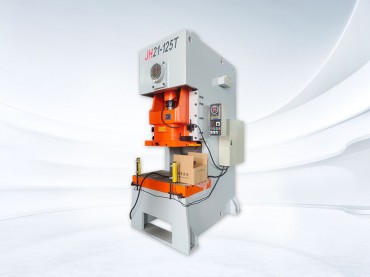
A pneumatic punching machine utilizes punching machined air as its power source, employing cylinders to drive a ram for stamping operations. Unlike traditional mechanical punching machines, it eliminates complex crankshaft transmission mechanisms, with power delivered directly by the cylinders. The equipment primarily consists of a frame, pneumatic system, control system, workbench, and dies.
Its operational process can be summarized as follows: When punching machined air enters the upper chamber, it drives the piston and punch downward to perform blanking or forming operations on metal sheets. Upon air switching to the lower chamber, the piston ascends, completing the return stroke. Through coordination between air valves and the electrical control system, stamping actions can be executed as single strokes, continuous cycles, or fully automated operations.
Owing to the pneumatic system's rapid response, controllable impact force, and excellent cushioning properties, pneumatic punching machines offer distinct advantages in safety, efficiency, and machining precision.
Pneumatic punching machines control stroke via air pressure, automatically depressurizing and stopping during anomalies to prevent equipment damage and personnel injury. Combined with safety measures like dual-hand start devices and safety light curtains, they substantially enhance operational safety.
Compared to electric mechanical punching machines, pneumatic punching machines offer higher energy conversion efficiency with rapid start/stop capabilities, making them ideal for batch production of small to medium-sized parts.
Air pressure can be freely adjusted according to workpiece thickness and die requirements, ensuring stable and consistent punching force. This reduces impact noise and die wear, making it suitable for high-precision stamping applications.
Pneumatic punching machines feature relatively simple mechanical structures with fewer transmission components, facilitating easy daily maintenance and extending equipment lifespan.
Owing to their efficiency, energy savings, and operational safety, pneumatic punching machines play vital roles across multiple manufacturing sectors.
The hardware sector represents a traditional application domain for pneumatic punching machines.They are extensively used for punching, stretching, trimming, flanging, forming, and other processes on various metal components. For instance, nuts, washers, brackets, retaining plates, electronic enclosures, and hardware fittings can all achieve high-precision batch production through pneumatic punching machines.
Their adjustable stroke and rapid speed make them ideal for manufacturing small-sized, high-batch products. Low noise levels and stable punching force also effectively extend die life and enhance product consistency.
In home appliance and electronics manufacturing, many metal components are small, thin, and demand extreme precision. Pneumatic punching machines, with their stable pressure control and rapid response, are widely used in:
- Terminal stamping for plugs and sockets
- Perforating motor housings and heat sinks
- Forming micro-hardware accessories (e.g., switch plates, connectors)
- Blanking electrical metal enclosures
Particularly in automated assembly lines, pneumatic punching machines integrate with feeders and robotic grippers to enable unmanned production, significantly boosting output and product consistency.
The automotive industry imposes stringent requirements on stamped parts' strength, dimensional accuracy, and appearance. Pneumatic punching machines are commonly used for producing small to medium-sized automotive components, including: door reinforcement panels, seal brackets; mounting supports, retaining clips; dashboard metal frames, brake components, etc.
By adjusting air pressure and die design, pneumatic punching machines ensure stable punching force while preventing part deformation, guaranteeing dimensional accuracy. They are particularly suitable for processes like punching, trimming, and drawing on medium-to-thin sheet metal.
Lighting fixtures and home metal components feature complex shapes and large production volumes. Pneumatic punching machines can flexibly adapt to different dies, performing stamping and bending operations on components such as lampshades, lamp frames, hardware brackets, and decorative panels. Their low operational noise and precise stroke control make them ideal for indoor production environments. For manufacturers of high-end decorative lighting fixtures and furniture metal fittings, pneumatic punching machines ensure product aesthetic quality while boosting production efficiency.
Pneumatic punching machines are also widely used in manufacturing metal packaging containers, kitchenware, and daily hardware items. Applications include:
- Forming aluminum cans, tin boxes, and bottle caps
- Stamping stainless steel cutlery and cookware components
- Performing secondary operations like punching, flanging, and embossing
The adjustable pressure and gentle stroke of pneumatic punching machines effectively prevent deformation in thin sheet metal parts, improving the flatness and aesthetic appeal of finished products.
Within the communication equipment and precision machinery manufacturing sectors, pneumatic punching machines are frequently employed for housing perforation, heat sink processing, and electronic connector forming. Given the often small dimensions and high precision requirements of these components, the controllable pressure and high repeatability of pneumatic punching machines meet these demanding standards.
With their simple structure, high precision, and reliable safety, pneumatic punching machines have become indispensable equipment in metal stamping. From hardware manufacturing to automotive components, and from electronics to appliance housings, their flexible application and broad adaptability demonstrate formidable vitality across industries. Looking ahead, as intelligent manufacturing technologies become more widespread, pneumatic punching machines will deliver greater value in more fields, supporting manufacturing in achieving efficiency, safety, and sustainable development.
 Address:Room 1202, Detaitang Building, No. 118 Huaguang Road, Zhangdian District, Zibo, Shandong
 WhatsApp:+8615653328535
 Wechat: +8615965331535
  E-mail:zs@sdsmachinery.com