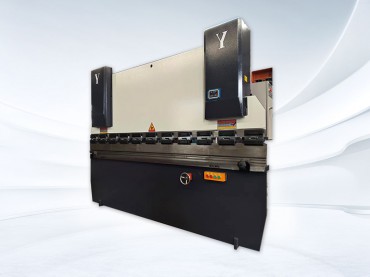
The
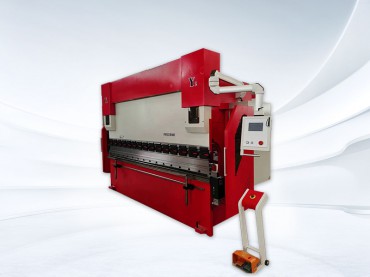
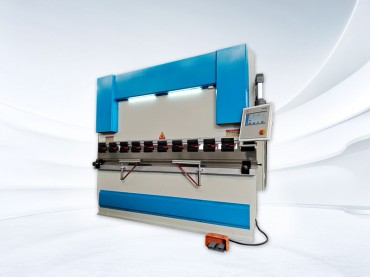
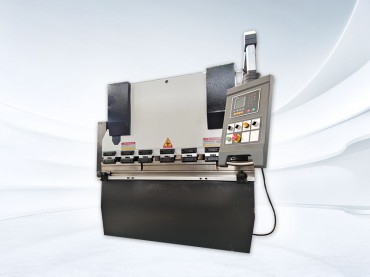
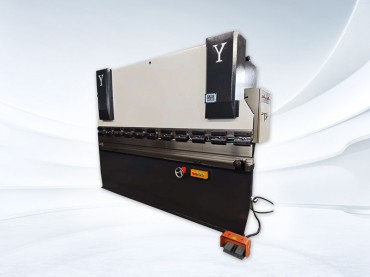
bending machine, a core piece of equipment in the metal processing industry, uses its powerful pressure to easily shape metal sheets, strips, tubes, and other profiles into specific angles and shapes. It plays a crucial role in various manufacturing sectors, including metal structures, shipbuilding, automotive manufacturing, aerospace, and construction and furniture production. However, due to its powerful processing capabilities, the use of bending machines also poses significant safety risks that cannot be ignored. Therefore, their operation and use must be handled with extreme caution.
1. Common Safety Hazards of Bending Machines
(1) Human-Operated Safety Hazards
Since bending machines require manual operation, there is a risk of accidental injury. During operation, improper handling may lead to finger pinching, die damage, or eye injuries from flying sparks. Even a momentary lapse in attention can result in mechanical injuries such as finger pinching, abrasions, or cuts. Additionally, improper parameter adjustments or lack of concentration may cause mould failure or workpiece ejection, potentially striking the operator and causing severe consequences. Furthermore, if operators do not wear safety goggles, sparks generated during metal plate bending may fly into the eyes, causing eye injuries.
(2) Equipment Failure Hazards
Prolonged high-load operation may cause wear and deformation of the bending machine's mechanical components, thereby affecting the equipment's stability and safety. Therefore, regular maintenance and inspection of the equipment are crucial.
(3) Electrical Safety Hazards
Unstable power voltage may damage electrical components and even cause serious accidents such as fires. It is essential to ensure the stability and reliability of the electrical system and regularly inspect the integrity of components such as wires and plugs.
2. Effective risk prevention strategies
To effectively prevent these potential safety risks, the following measures are crucial:
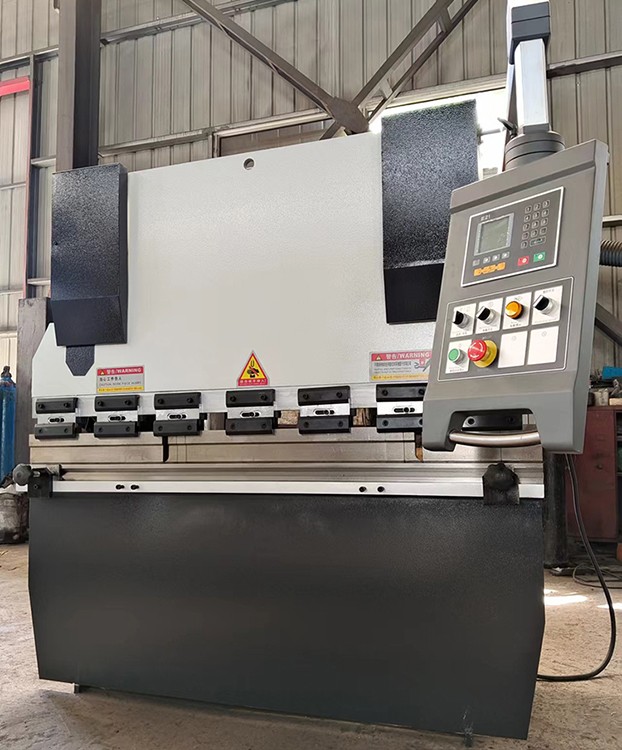
(1) To ensure the safe use of bending machines, they should be equipped with comprehensive safety protection devices. These devices include, but are not limited to, safety light curtains, protective doors and barriers, emergency stop buttons, and foot switches. These protective measures can effectively reduce operational errors and potential safety risks, ensuring the safety of personnel and equipment;
(2) Conduct a comprehensive safety inspection before starting the equipment to ensure it is in good working condition;
(3) When operating the equipment, always wear appropriate personal protective equipment, such as thick gloves and safety helmets, to reduce the risk of injury;
(4) New employees must undergo comprehensive safety education and practical training to ensure they understand and comply with all safety regulations. These measures enhance their safety awareness, enabling them to operate the bending machine more cautiously and effectively prevent accidents.
3. Emergency Response Measures
Even with all feasible preventive measures in place, accidents may still occur. Therefore, familiarity with and mastery of emergency response measures are critical.
(1) If hands or arms are accidentally caught in the equipment, immediately shut off the power supply and seek professional assistance promptly;
(2) In cases of pinching or crushing injuries, immediately cease operations and provide initial first aid to the injured area, such as applying cold compresses to reduce swelling and pain;
(3) In the event of any severe injury, promptly dial the emergency number and seek professional medical assistance as soon as possible.
4. Post-Operation Maintenance and Inspection
After completing bending operations, ensure the hydraulic system is shut off and thoroughly clean the work area to ensure smooth operation for the next use. Additionally, regular maintenance and inspection of the equipment should be conducted to extend its service life and ensure its safety performance.
Safety hazards during bending machine operations must not be overlooked. Only by strictly adhering to operating procedures, paying attention to all safety precautions, and conducting regular maintenance and inspection can the safety and accuracy of the operation be ensured.

 Address:Room 1202, Detaitang Building, No. 118 Huaguang Road, Zhangdian District, Zibo, Shandong
 WhatsApp:+8615653328535
 Wechat: +8615965331535
  E-mail:zs@sdsmachinery.com