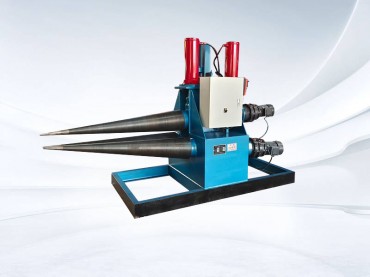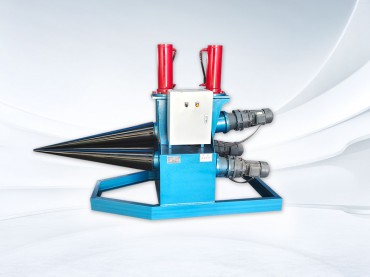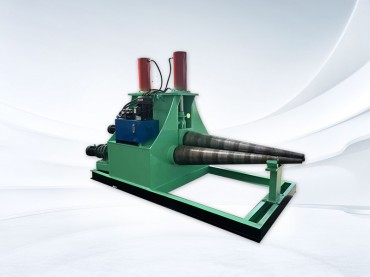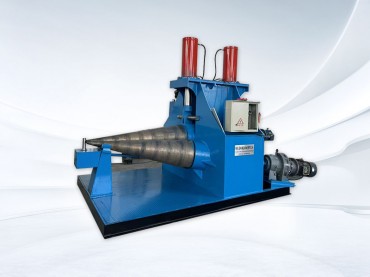
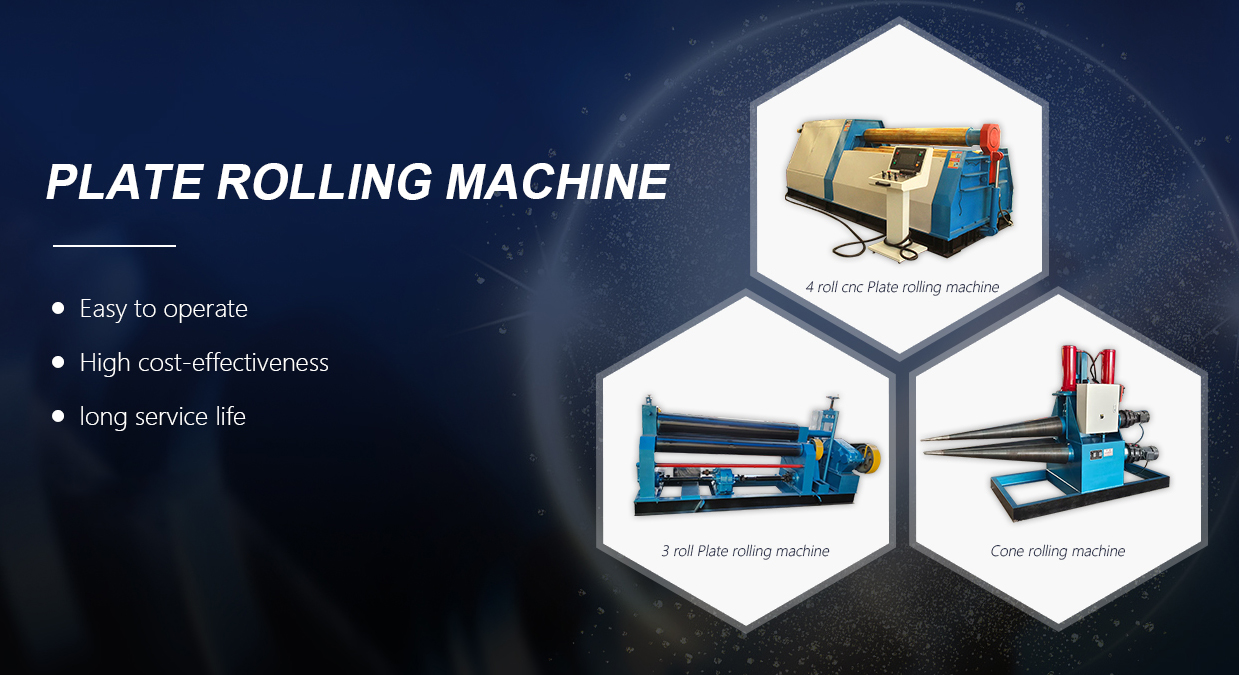
With over a decade of experience in the field of cone rolling machines, we have accumulated extensive manufacturing expertise. Today, we will analyze the measurement technology for cone accuracy in cone rolling machines:
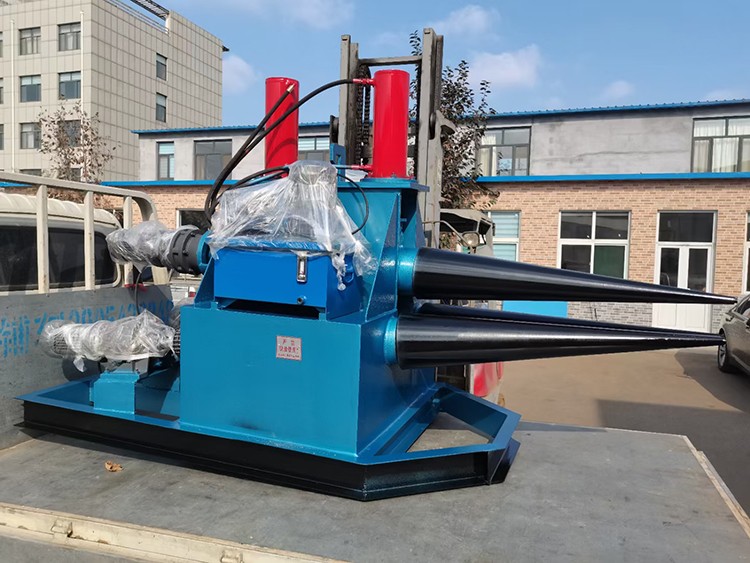
A cone rolling machine is a crucial piece of equipment in metal processing for producing conical workpieces, and its processing accuracy directly impacts the assembly performance and usage effectiveness of the workpieces. Cone accuracy is one of the core indicators for evaluating the performance of a cone rolling machine, and it requires verification and control through scientific measurement techniques. This article will systematically introduce the measurement principles, common methods, and precautions for cone accuracy in cone rolling machines.
1, Definition and importance of taper accuracy
Taper refers to the degree of inclination of a workpiece's conical surface, typically expressed as the ratio of the difference in conical diameter to the axial length. For example, a 1:10 taper indicates a 1-millimeter change in diameter per 10 millimeters of length. The taper accuracy of a taper rolling machine refers to the deviation range between the actual taper of the processed workpiece and the theoretical design value.
Insufficient taper accuracy can lead to poor fit between components. For example, in pipe connections or shaft assembly, excessive taper deviation can cause poor sealing or loosening, affecting the overall structural stability. Therefore, strict inspection of taper accuracy must be conducted during the production process.
2, Basic principles of taper measurement
The core of taper measurement is to obtain the diameter and length data of conical workpieces using geometric measuring tools or instruments, and then calculate the actual taper value. Depending on the type of measuring tool, taper measurement can be divided into two categories: contact measurement and non-contact measurement.
Contact measurement relies on measuring tools directly contacting the workpiece surface, such as dial indicators, vernier calipers, or specialized taper gauges; non-contact measurement utilizes optical or laser technology to scan the workpiece contour and obtain data. Both methods have their advantages and disadvantages: contact measurement is simple to operate but may be influenced by human factors, while non-contact measurement is highly efficient but involves higher equipment costs.
3, Common measurement methods
Taper gauge comparison method
A taper gauge is a standard measuring tool whose working surface is completely consistent with the theoretical taper. During measurement, the taper gauge is placed against the workpiece's tapered surface, and the gap between the two is observed. If the gap is uniform, the taper is considered合格; if a noticeable gap appears, the equipment parameters need to be adjusted. This method is simple and quick, suitable for rapid on-site inspections in workshops, but its accuracy is significantly influenced by the operator's experience.
4, Precautions during measurement
Stability of workpiece clamping
Before measurement, ensure that the workpiece is securely fixed to avoid data distortion caused by vibration or loosening. For example, when using a coordinate measuring machine, use a special fixture to ensure that the workpiece is parallel to the platform.
Influence of environmental factors
Temperature changes can cause thermal expansion and contraction of metal workpieces, especially large parts. Measurements should be performed under constant temperature conditions, or the results should be temperature compensated.
Calibration and maintenance of measuring instruments
Regularly check the accuracy of measuring instruments, such as the zero error of vernier calipers and the cleanliness of optical instrument lenses. Uncalibrated measuring instruments may introduce systematic errors.
Rigorous data processing
Taking the average of multiple measurements can improve the reliability of results. For critical workpieces, record all data and analyze the degree of dispersion to assess the stability of the machining process.
The measurement technology for taper accuracy in cone rolling machines is a critical factor in ensuring product quality. From simple taper gauges to precision coordinate measuring machines, different methods are suitable for different scenarios, and the appropriate choice should be made based on workpiece requirements, production volume, and equipment conditions. A standardized measurement process, strict tool management, and the operator's meticulous attitude collectively form the foundation for controlling taper accuracy. Only by combining measurement technology with process improvements can the machining capabilities of cone rolling machines be continuously enhanced.
If you are interested in cone rolling machines, please contact us.
 Address:Room 1202, Detaitang Building, No. 118 Huaguang Road, Zhangdian District, Zibo, Shandong
 WhatsApp:+8615653328535
 Wechat: +8615965331535
  E-mail:zs@sdsmachinery.com