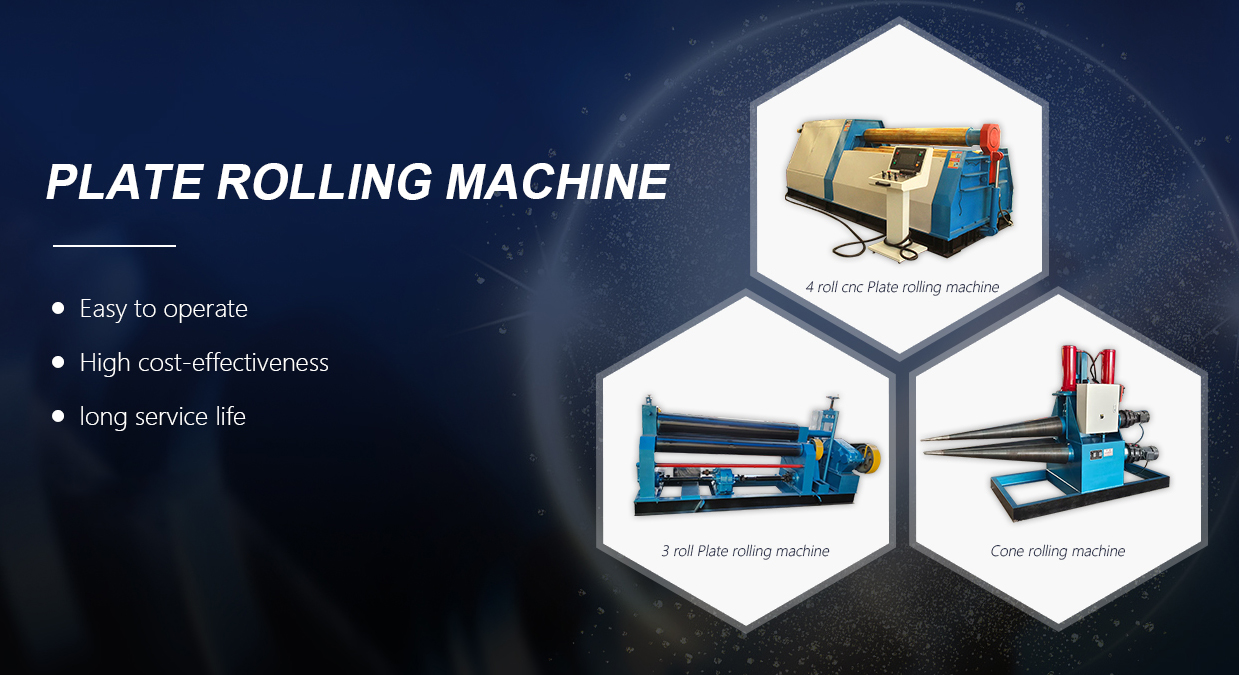
With the continuous advancement of industrial manufacturing technology, metal plate forming has become a critical production step in sectors such as machinery manufacturing, pressure vessel production, wind power equipment, shipbuilding, petrochemicals, construction engineering, and steel structure fabrication. Among the various types of plate processing equipment, plate rolling machines have become indispensable to modern sheet metal enterprises due to their efficiency, precision, and versatility. As the manufacturing industry upgrades, these machines have evolved beyond simple cylinder rolling; they are increasingly characterized by high precision, automation, and intelligent capabilities, establishing themselves as vital equipment in modern metal forming.
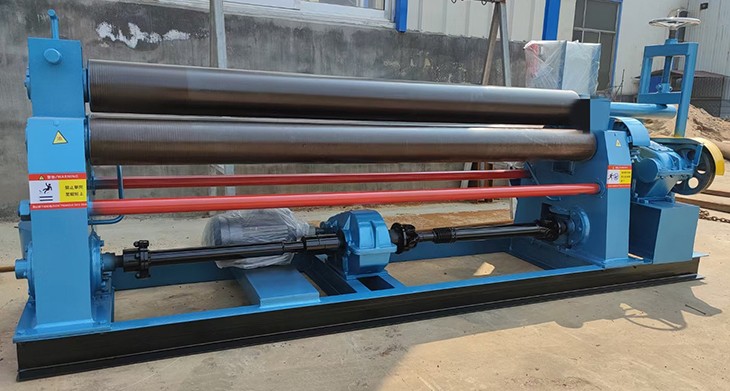
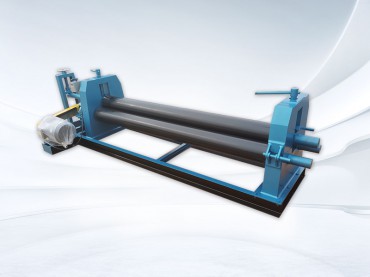
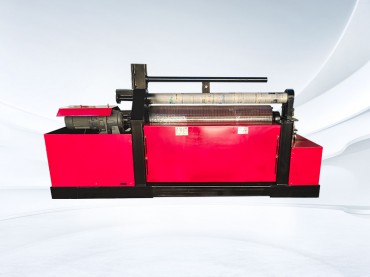
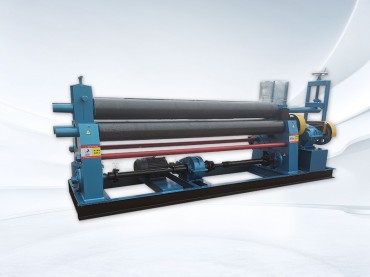
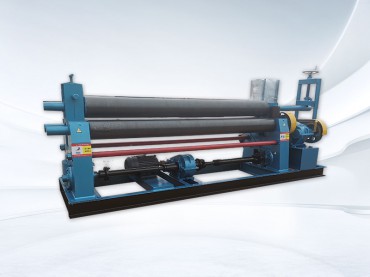
A plate rolling machine is a device that uses multiple working rolls to apply pressure to metal plates, gradually bending them to achieve a specific curvature.
Materials processed include carbon steel, stainless steel, aluminum, copper, galvanized steel, and high-strength alloy steel plates.
Depending on their structural design, plate rolling machines are categorized into types such as three-roll, four-roll, symmetrical, asymmetrical, hydraulic, and CNC models. They are widely used across various industrial manufacturing sectors.
The primary function of a plate rolling machine is to roll flat plates into cylinders; this is both its most fundamental and most critical capability. By generating pressure between the upper and lower rolls, the machine gradually bends the steel plate until a complete cylinder is formed. Products such as oil storage tanks, gas storage tanks, chemical vessels, and wind turbine tower sections all require this rolling process.
In traditional rolling processes, straight edges often remain at the ends of the steel plate, which can compromise welding quality and dimensional accuracy. Modern hydraulic plate rolling machines feature a pre-bending function that allows the edges of the plate to be bent beforehand.
The advantages include minimizing residual straight edges, improving roundness accuracy, reducing the need for subsequent trimming, and boosting overall production efficiency—particularly in large-scale steel structure manufacturing.
In addition to forming complete cylinders, plate rolling machines can also process a wide range of arc-shaped components. For example, components such as curved architectural panels, arched bridge elements, wind turbine deflectors, and protective housings for power equipment can be produced; by adjusting roller positions, arc structures with varying radii can be achieved, meeting diverse production needs.
Modern plate rolling machines are also capable of processing conical shapes—a function known as cone rolling—by adjusting the tilt angle of the rollers.
Steel plates can be formed into special structures such as standard cones, eccentric cones, and truncated cones.
This process is widely used in industries such as chemical processing, ventilation, cement production, and mining machinery; for instance, large-scale dust collectors and hopper systems often require a significant number of conical components.
Modern plate rolling machines do more than just roll cylinders; crucially, they ensure processing precision. High-performance hydraulic plate rolling machines typically feature:
Digital control systems, automatic positioning systems, and hydraulic synchronization control. These enable superior roundness, minimized tolerances, and consistent quality. For pressure vessels and large-scale engineering equipment, precision is directly linked to product safety, making high-precision rolling machines increasingly popular in the market.
Compared to traditional manual forming methods, plate rolling machines significantly boost production efficiency. Their advantages include: high levels of automation and reduced manual labor; strong continuous processing capabilities suitable for batch production; rapid forming speeds that shorten manufacturing cycles; and excellent product consistency that enhances overall quality. In large manufacturing enterprises, in particular, these machines effectively increase production capacity while lowering labor costs.
Modern hydraulic plate rolling machines possess powerful rolling capabilities, capable of processing thin sheets, medium-to-thick plates, and ultra-thick steel plates. The ability to roll thick plates is vital for industries such as wind turbine tower manufacturing, shipbuilding, and heavy machinery.
With the growth of the large-scale equipment manufacturing industry, an increasing number of enterprises require the processing of massive workpieces.
Examples include wind turbine towers, offshore engineering equipment, oil storage tanks, and LNG storage tanks.
Large-scale plate rolling machines can process massive cylindrical structures—spanning several meters in diameter and tens of meters in length—thereby meeting the demands of heavy industrial development. 9. Applications of Plate Rolling Machines Across Industries
- Pressure vessel manufacturing: Storage tanks, reactors, heat exchangers, etc.
- Wind power industry: Wind turbine towers and support structures.
- Shipbuilding industry: Hull plating and ship compartments.
- Petrochemical industry: Oil storage tanks, piping equipment, and chemical vessels.
- Construction industry: Steel cylindrical columns, curved curtain walls, and landscape structures.
When purchasing a plate rolling machine, enterprises should focus on the following factors: plate thickness (determines equipment tonnage), plate width (determines working length), material type (different materials require different configurations), product shape (cylinders or cones), and automation requirements (standard hydraulic vs. CNC systems). Proper model selection can improve the return on investment.
As a vital piece of equipment for modern sheet metal forming, the plate rolling machine is primarily used to roll flat sheet materials into cylinders, arcs, cones, and various curved structures. It also offers capabilities such as pre-bending, rounding, high-precision forming, and automated processing.
Driven by the rapid growth of the wind power, shipbuilding, pressure vessel, petrochemical, and steel structure industries, market demand for plate rolling machines continues to rise. Hydraulic and CNC plate rolling machines, in particular, are becoming essential equipment in modern manufacturing due to their high efficiency, precision, and intelligent features. For enterprises, selecting a machine that aligns with their specific production needs not only boosts processing efficiency and product quality but also lowers production costs and enhances market competitiveness, thereby creating greater opportunities for growth in a fiercely competitive market.
 Address:Room 1202, Detaitang Building, No. 118 Huaguang Road, Zhangdian District, Zibo, Shandong
 WhatsApp:+8615653328535
 Wechat: +8615965331535
  E-mail:zs@sdsmachinery.com