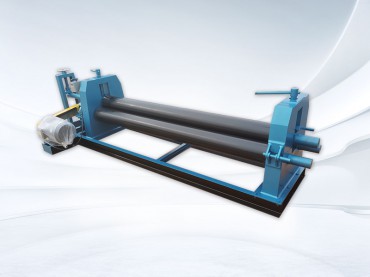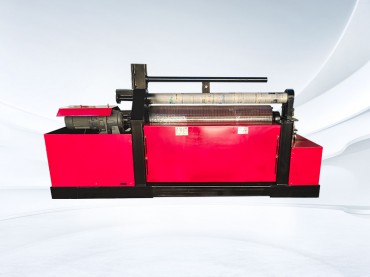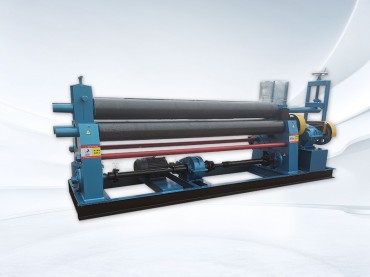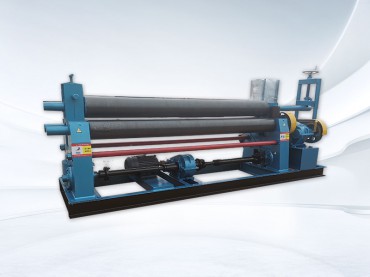
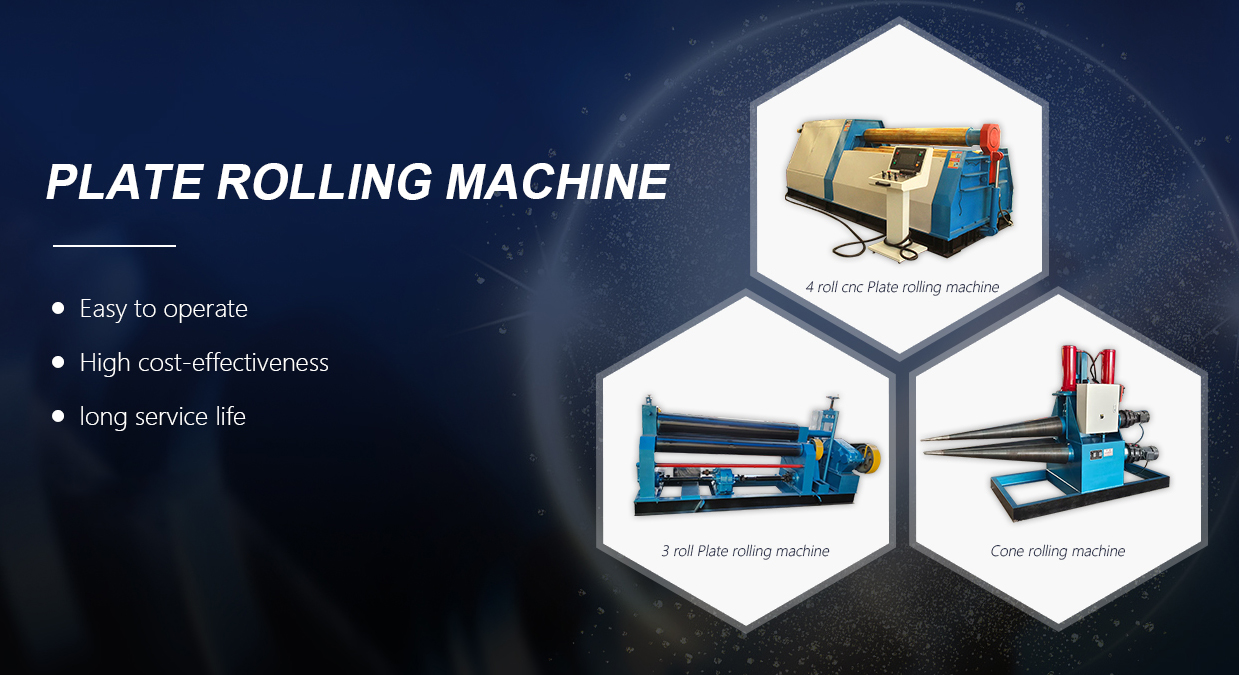
We are a professional plate rolling machine manufacturer with over 10 years of industry experience. Today, we would like to introduce the application of ergonomic design in plate rolling machine operation:
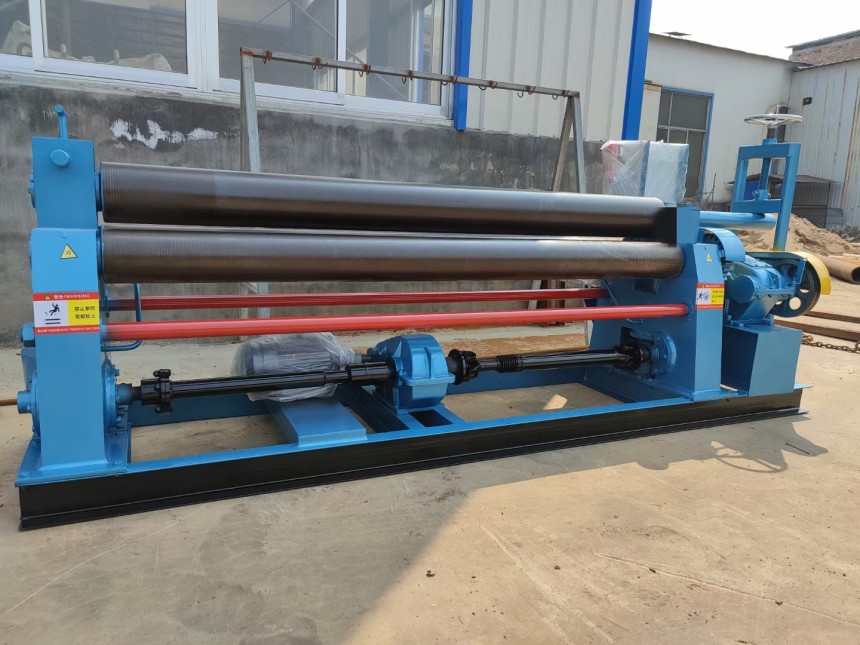
Ergonomics is a discipline that studies the interactive relationship between humans, machines, and the environment. Its core objective is to optimize work systems so that operators can efficiently complete work tasks under safe and comfortable conditions. In the field of rolling machine operation, the application of ergonomics is primarily reflected in aspects such as interface design, optimization of working postures, and rationalization of control layouts. Proper application can reduce operator fatigue, minimize the risk of errors, and enhance production efficiency.
Humanized Design of the Operating Interface
The operating interface of the plate rolling machine should conform to human visual characteristics and operating habits. The layout of the control panel should follow the principle of prioritizing important functions, with frequently used buttons placed within the natural arm movement range of the operator. The installation angle of the display screen should avoid glare to ensure clear visibility under various lighting conditions. The size and spacing of the buttons should take into account the operational needs of the operator when wearing gloves to prevent accidental touches. Functional zones should be clearly defined, using color coding or physical separation to enable operators to quickly locate the required functions.
Optimization of Work Posture
During the operation of a plate rolling machine, the operator needs to frequently observe the position of the sheet metal and the forming status. The equipment design should take into account the operator's natural line of sight to avoid prolonged upward or downward head movements. The foot switch should be positioned within easy reach when the operator is standing naturally to minimize body twisting. For positions requiring collaboration among multiple operators, sufficient working space should be provided to prevent interference between operators. For workstations requiring prolonged standing, anti-fatigue mats can be installed on the work surface to alleviate lower limb pressure.
Principles for the layout of control components
The layout of control components should conform to operational logic and operational habits. Emergency stop buttons must be placed in a prominent and easily accessible location, typically in the upper right corner of the control panel or directly in front of the operator. The operating force of the main control handle should be moderate to prevent operator fatigue. Control elements requiring simultaneous use of both hands should have spacing that aligns with human shoulder width dimensions. Functionally related control elements should be grouped together to minimize the distance the operator's line of sight must travel during operation. Buttons with distinct tactile feedback enable operators to perform blind operations while visually monitoring the workpiece.
Consideration of environmental factors
The working environment has a significant impact on the comfort and safety of operators. Equipment noise should be kept within reasonable limits, and soundproofing devices should be installed when necessary. The lighting system should ensure uniform lighting in the work area and avoid shadows and glare. The temperature control system should maintain a comfortable working environment, especially for precision operations. Equipment colors should be neutral to reduce visual fatigue. The floor should be kept flat and dry, and safety areas should be clearly marked.
Human-machine interface for safety protection
The design of safety protection devices should take into account human body dimensions and reaction characteristics. The opening height of the protective cover should allow the operator to observe the internal conditions while preventing limbs from accidentally entering the hazardous area. The installation height of the safety light curtain must cover all hazardous points that the operator may come into contact with. The intensity of the audible and visual alarm signals should ensure that they can be clearly perceived in a workshop environment. The trigger force and travel distance of the emergency stop device must undergo human-machine interface testing to ensure rapid and reliable operation in emergency situations.
Maintenance Convenience Design
Equipment maintenance also requires ergonomic considerations. The layout of daily inspection points should be within easy reach of the operator to avoid excessive bending or climbing. Lubrication points should be located for easy refueling to reduce the need for unusual postures during maintenance. For frequently replaced wear parts, the disassembly and assembly methods should be simplified to reduce the need for tools. The opening direction of electrical cabinets and the internal component layout should facilitate maintenance operations. Maintenance instruction labels should be placed near the relevant components, with font sizes ensuring clear readability at typical working distances.
Human-machine compatibility assessment methods
The effectiveness of ergonomic design needs to be verified through systematic assessment. Operator feedback is the most direct assessment method, and the opinions and suggestions of operators should be collected regularly. Motion analysis can identify unreasonable postures and unnecessary movements during the operation process. Fatigue testing can assess physical stress after prolonged operation. Misoperation statistics help identify potential design flaws. Continuous improvement based on assessment results is a key part of optimizing human-machine interaction.
The Importance of Personnel Training
Even the most optimal ergonomic design requires training to be fully effective. Operational training should include explanations of the human-machine characteristics of the equipment so that operators understand the design intent. Demonstrations of standard operating postures can prevent occupational injuries. Emergency operation drills can improve response capabilities in special situations. New employees should undergo an adaptability assessment to ensure that their physical condition is suitable for the equipment operation requirements. Regular refresher training helps maintain operational standardization and safety awareness.
The application of ergonomics in plate rolling machine operations is a systematic engineering endeavor that requires comprehensive consideration of equipment functionality, operational processes, and operator characteristics. Effective ergonomic design can significantly enhance operational comfort, reduce fatigue accumulation, minimize operational errors, and ultimately achieve dual improvements in safety and efficiency. With advancements in technology and the development of ergonomics research, the human-machine interaction design of roll forming machines will continue to be optimized, creating a safer and more efficient working environment for operators. Companies should prioritize ergonomic factors during equipment selection and use, and regularly assess and improve ergonomic compatibility.
If you are interested in plate rolling machines, please contact us.
 Address:Room 1202, Detaitang Building, No. 118 Huaguang Road, Zhangdian District, Zibo, Shandong
 WhatsApp:+8615653328535
 Wechat: +8615965331535
  E-mail:zs@sdsmachinery.com