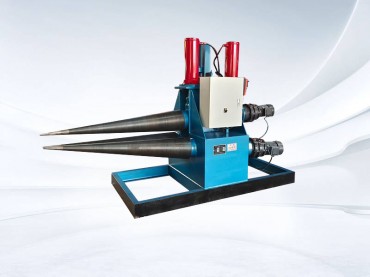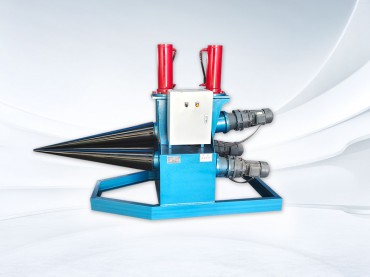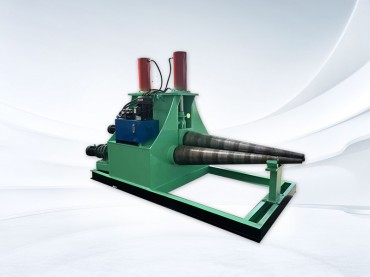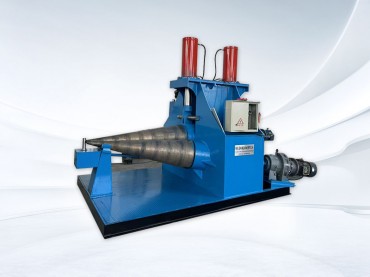
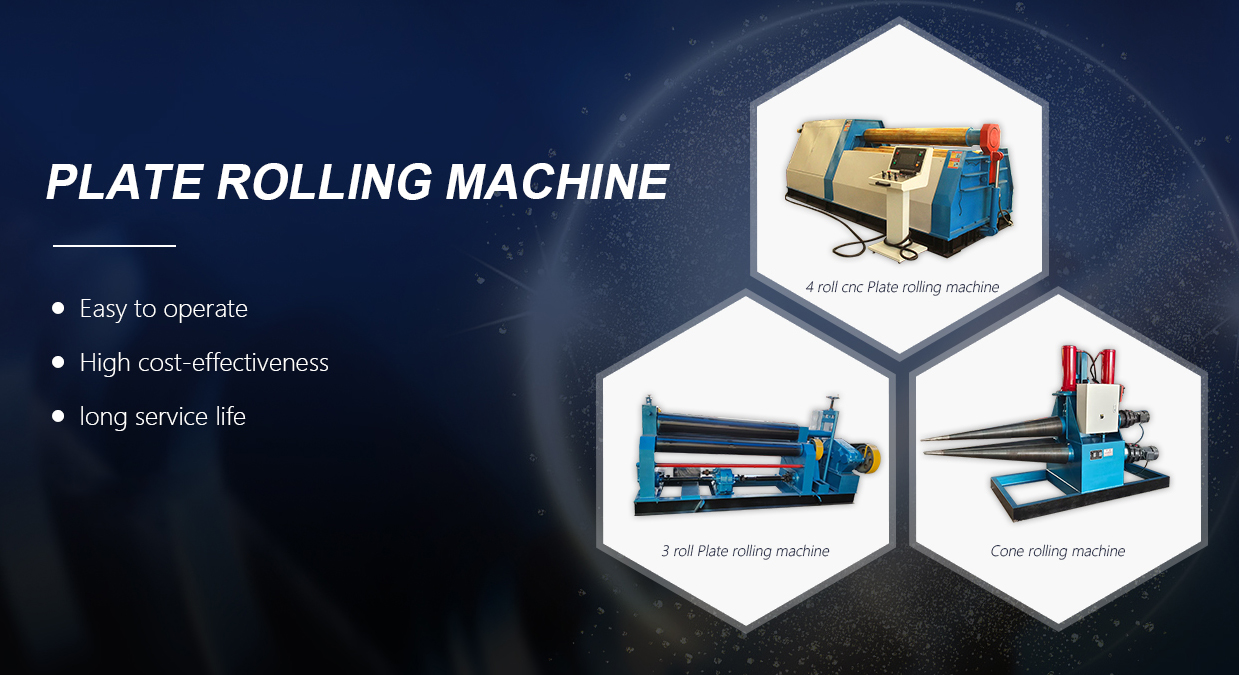
We are a professional cone rolling machine manufacturer with over 10 years of industry experience. Today, we would like to introduce six practical solutions for preventing slippage on the roll surface of cone rolling machines:
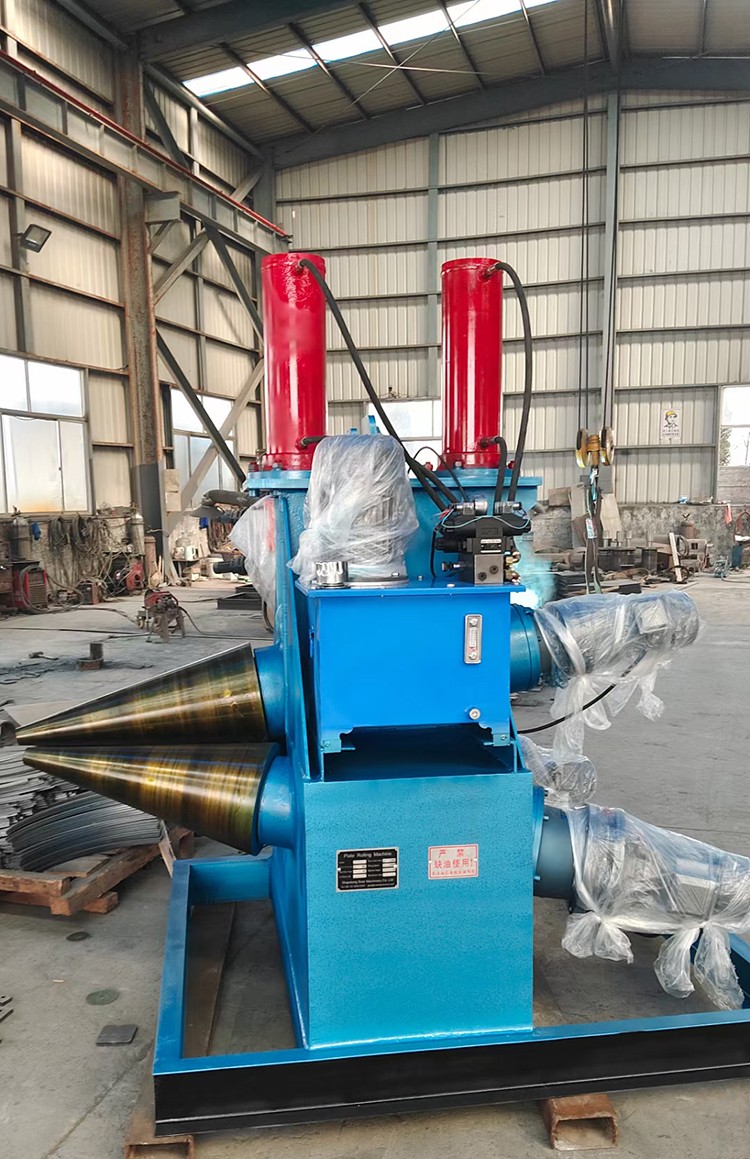
As a key piece of equipment in metal plate processing, the anti-slip performance of the roll surface directly affects processing accuracy and safety. This article addresses roll slippage issues and provides six practical solutions.
1. Surface Texture Processing Methods
Mechanical processing to create specific textures on the surface of rollers is the most direct anti-slip measure. Common methods include:
(1)Rolled pattern processing: Using a 60° diamond-shaped pattern tool, with a texture depth controlled between 0.3–0.5 mm
(2)Helical groove processing: Single-start helical grooves with a pitch of 8–12 mm and a groove depth of 1–1.5 mm
When performing texture processing, it is important to maintain uniformity of the texture patterns to avoid localized stress concentration. After processing, it is recommended to perform deburring treatment.
2. Thermal spraying process
Anti-slip treatment suitable for high-strength working conditions:
(1)Arc spraying: Use aluminum bronze alloy material, coating thickness 0.8-1.2 mm
(2)Plasma spraying: Tungsten carbide coating, thickness 0.5-0.8 mm
After spraying, polishing treatment is required, with surface roughness controlled between Ra3.2 and Ra6.3. Regularly inspect the wear condition of the coating; if wear exceeds 30%, re-spraying is required.
3.Rubber coating solution
Particularly effective for thin plate processing:
(1)Use polyurethane rubber with a hardness of HS80-90.
(2)Coating thickness of 6-10 mm; excessive thickness will affect heat transfer.
(3)Use a heat vulcanization process for bonding, and treat the joints with a 45° bevel.
Avoid oil contamination that could corrode the rubber. When the ambient temperature exceeds 80°C, switch to metal surface treatment.
4. Cleaning and Maintenance Guidelines
Proper daily maintenance can effectively prevent slippage:
(1)Clean the roller surface with acetone before each shift.
(2)Check the surface wear condition weekly.
(3)Remove metal debris in a timely manner to avoid scratching the surface with hard objects.
(4)Do not use sandpaper or other abrasive materials to clean the roller surface.
5. Process parameter optimization
Reduce the risk of slippage by adjusting processing parameters:
(1)Feed speed should not exceed 80% of the equipment's rated value.
(2)Downward pressure should be controlled according to plate thickness.
(3)Roll speed should be reduced appropriately when processing thick plates.
It is recommended to create a parameter comparison table and post it next to the equipment.
6. Auxiliary anti-slip measures
(1)Install sheet metal centering device
(2)Increase the preload force of the pressure roller
(3)Configure sheet metal brush dust removal system
In practical applications, it is recommended to first try basic solutions such as cleaning maintenance and parameter adjustment. If the results are unsatisfactory, consider surface processing modifications. Before modification, assess the impact on the surface quality of the sheet metal. For thin sheet metal processing, rubber coating should be prioritized, while for thick sheet metal processing, thermal spraying is recommended. Regular maintenance records should include roller surface condition checks, and a preventive maintenance mechanism should be established.
If you are interested in cone rolling machines, please contact us.
 Address:Room 1202, Detaitang Building, No. 118 Huaguang Road, Zhangdian District, Zibo, Shandong
 WhatsApp:+8615653328535
 Wechat: +8615965331535
  E-mail:zs@sdsmachinery.com