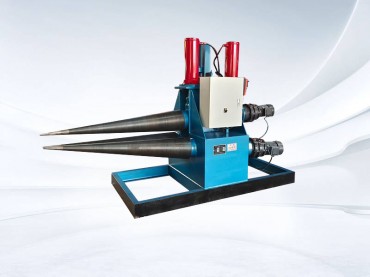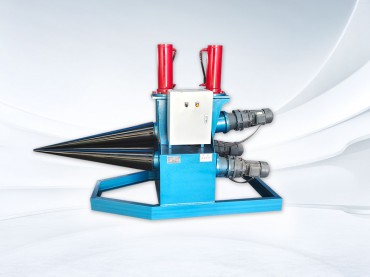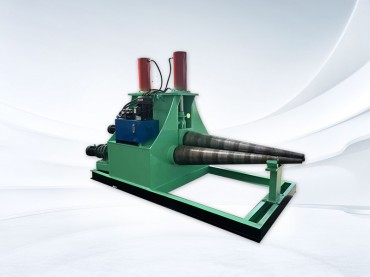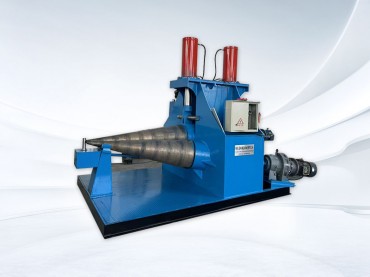
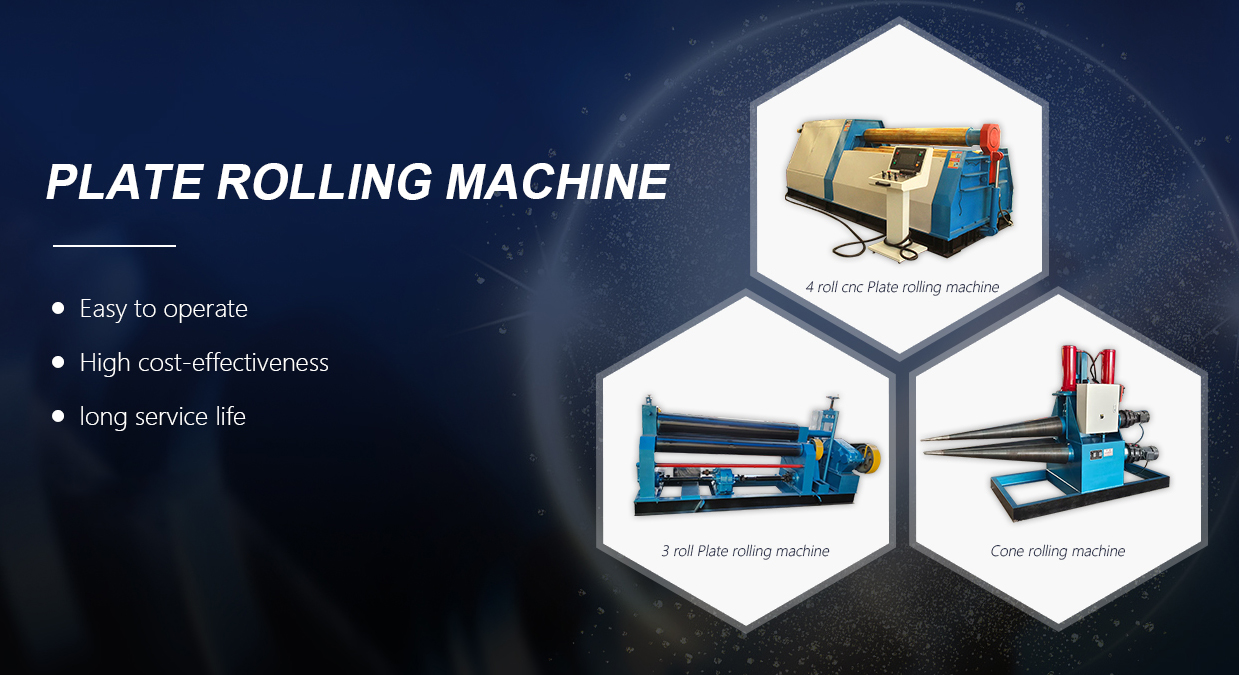
We are a professional manufacturer of cone roll bending machine with over 10 years of industry experience. Today, we would like to introduce to you the noise reduction optimization solution for the main drive gearbox of cone roll bending machine:
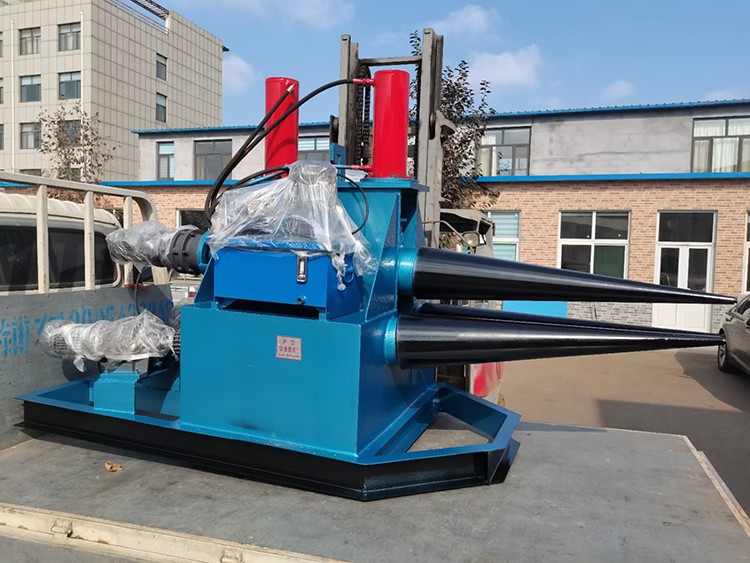
The main drive gear box of the cone roll bending machine often produces large noise during operation due to gear meshing, bearing vibration and other factors, which not only affects the working environment, but also reduces the service life of the equipment. For this problem, the noise can be effectively reduced by optimizing the gear design, improving the assembly process, enhancing lubrication management and adopting vibration damping measures. The following is the specific optimization plan.
1, Optimized gear design
Gear tooth shape, accuracy and material selection directly affect the meshing noise. Optimization of gear design can start from the following aspects:
Improving Gear Accuracy
Adoption of trimmed gears
Reasonable selection of gear materials
2, Improvement of assembly process
The assembly quality of the gearbox directly affects the smoothness of operation, optimizing the assembly process can effectively reduce the noise:
Ensure gear alignment accuracy
Adjusting Gear Backlash
Optimizing Bearing Mounting
3, Enhanced lubrication management
Good lubrication reduces friction and wear on the gear meshing surfaces, thus reducing noise:
Selection of suitable lubricating oil
Ensure adequate lubrication
Reducing Oil Bubbles
4, Adoption of vibration and noise reduction measures
In addition to optimizing gears and lubrication systems, noise can be further reduced by external measures:
Installation of soundproof enclosure
Use of elastic support
Optimize the box structure
5, Regular maintenance and monitoring
Gearbox noise problems tend to get worse over time, so a regular maintenance regime is needed:
Regular inspection of gear wear
Tightening loose parts
Replacing deteriorated seals
The noise reduction of the main drive gearbox of the cone rolling machine needs to be optimized from gear design, assembly precision, lubrication management and vibration damping measures and other aspects. By improving the gear meshing quality, reducing vibration transmission and strengthening maintenance, the noise can be significantly reduced to enhance the stability of equipment operation and service life. In actual application, the appropriate optimization scheme should be selected according to the specific working conditions to ensure the balance between noise reduction effect and economy.
If you are interested in cone roll bending machine, please contact us.
 Address:Room 1202, Detaitang Building, No. 118 Huaguang Road, Zhangdian District, Zibo, Shandong
 WhatsApp:+8615653328535
 Wechat: +8615965331535
  E-mail:zs@sdsmachinery.com